
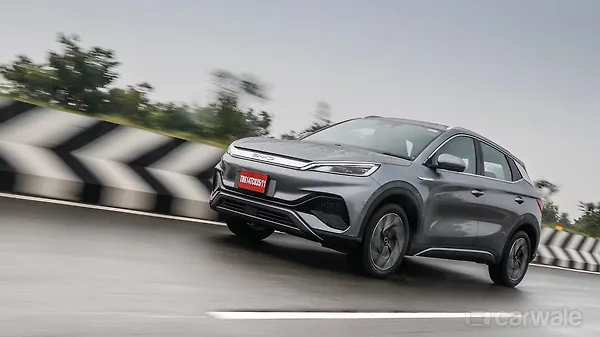
BYD India has officially crossed the milestone of 20,000 customer deliveries in the country. This achievement comes shortly after the company announced reaching 10,000 customer deliveries in September 2025, effectively doubling its volume in a little over a year.
Milestone Celebration and Deliveries
To celebrate the occasion, Rajeev Chauhan, Senior Vice President and Head of Electric Passenger Vehicles (EPV) Business, BYD India, along with Shrirang Joshi, VP and National Sales Head, BYD India, personally handed over the 20,000th vehicle to its new owner. The special ceremony took place at PPS BYD in Delhi.
Shrirang Joshi stated that the company was grateful to its patrons for their trust and for being part of the journey in India. He noted that reaching 20,000 customer deliveries was an important milestone reflecting the rising acceptance of the brand's products and technology.
Portfolio Performance and Denza Launch
The automaker's current portfolio consists of the eMax7 MPV, Atto3, Sealion 7, and Seal. These models are now joined by the newly launched Denza luxury brand, which introduces the Denza D9 MPV and Denza Z9 GT shooting brake as part of the manufacturer's luxury push in the market.
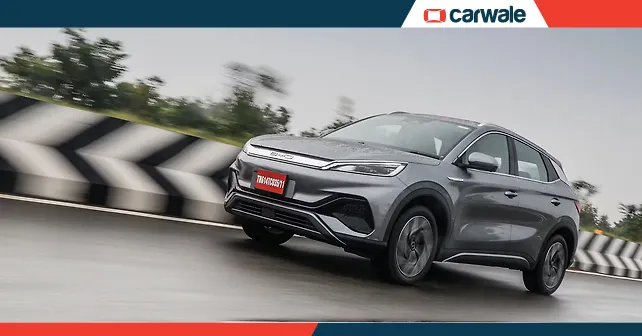
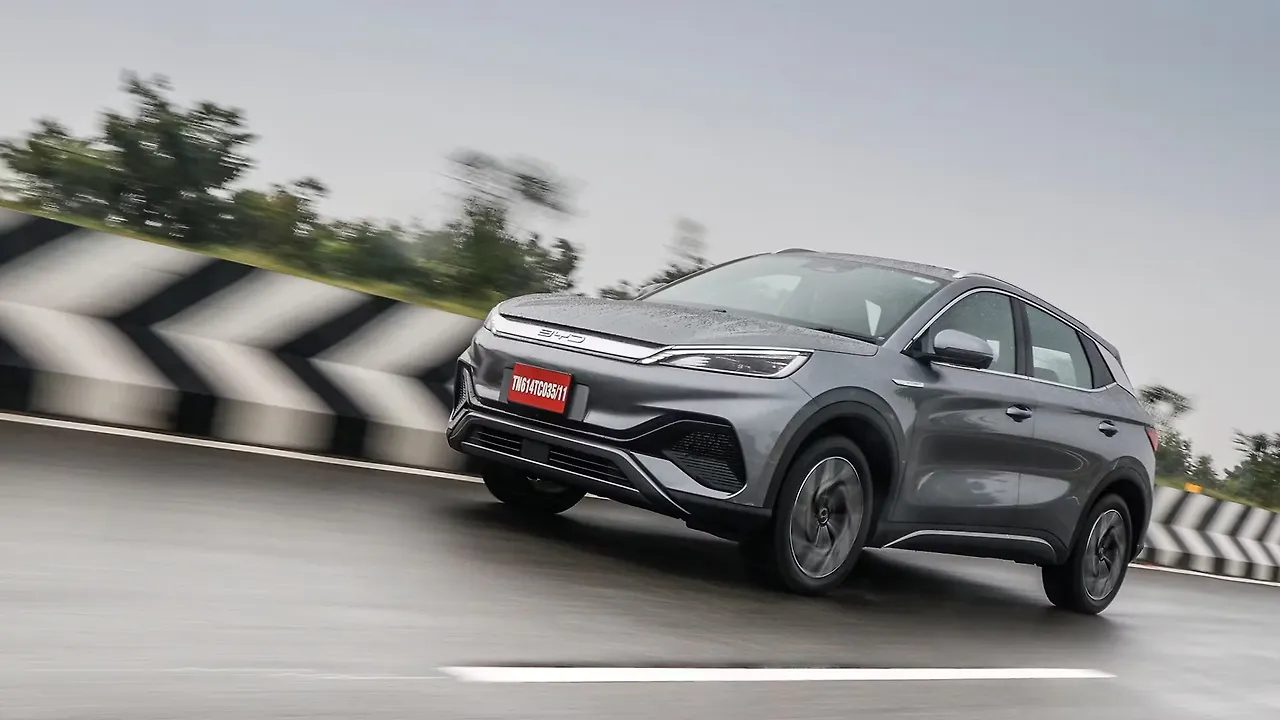
- Atto 3: Surpassed 9,000 deliveries
- Sealion 7: Crossed 5,000 customer deliveries
- Denza D9 MPV: Launched under the Denza brand
- Denza Z9 GT: Launched under the Denza brand
Shrirang Joshi highlighted that the strong response to the electric vehicle portfolio is demonstrated by the Atto 3 surpassing 9,000 deliveries and the Sealion 7 crossing 5,000 customer deliveries. He added that the future vision involves reaching more buyers, expanding the dealership network, enhancing ownership experiences, and making advanced sustainable mobility accessible to a broader audience across India.
Future Technology Plans
Looking ahead, the company has plans for its powertrain lineup. BYD India previously showcased its DM-i plug-in hybrid technology, announcing that this system will make its debut in the Seal-U SUV. The introduction of this technology is expected to take place around early 2027.