
Tata Motors is currently developing five distinct SUV models for the Indian market, as the Nexon approaches a full generational update alongside the expansion of the brand's electric vehicle lineup. Having originally debuted in 2017 and received two updates without a complete generational overhaul, the Nexon's successor is already undergoing testing in India. This vehicle forms part of a wider portfolio expansion that also includes a high-end electric SUV positioned above the Harrier EV.
During its Investor Day held in June 2026, Tata announced plans to introduce ten electric models by FY2031, an increase from the six models highlighted at the time of the initial announcement. The internal combustion engine sector is similarly slated for new nameplate additions and updates to existing vehicles. Five specific models are presently at varying stages of preparation.
Next-Generation Nexon, Kuno EV, and Scarlet
Photographs of the upcoming next-generation Nexon appearing in November revealed a dashboard featuring two distinct screens. The vehicle is anticipated to transition to Tata's modular ATLAS architecture alongside extensive updates to the rear body structure. Power units are expected to comprise the current 1.2-litre turbo petrol and 1.5-litre diesel engines, with a commercial release anticipated in 2027 followed later by a new Nexon EV variant.
The Kuno project is projected to fill the space between the Nexon EV and the Sierra EV within the brand's electric portfolio. Measuring approximately 4.3 metres in length, this model is slated to compete against the MG Windsor EV upon a potential launch in 2027 or 2028, though specific battery capacities and propulsion layouts remain unconfirmed. Meanwhile, Scarlet is designated as the internal project name for an additional compact SUV measuring under four metres in length, incorporating styling cues from the vertical Sierra profile. While Tata possesses options for naturally aspirated and turbocharged petrol engines, final powertrain choices and the potential for an electric variant are not yet determined.
Safari EV and Avinya X Developments
The Safari EV is projected to serve as the initial three-row electric SUV offering from the manufacturer. Test photographs indicate a modified rear suspension setup compared to the fuel-powered Safari variant. The electric Harrier provides a relevant benchmark as its 65 kWh and 75 kWh battery packs could be integrated into the Safari, which might additionally feature a dual motor all-wheel-drive configuration to challenge the Mahindra XEV 9S.
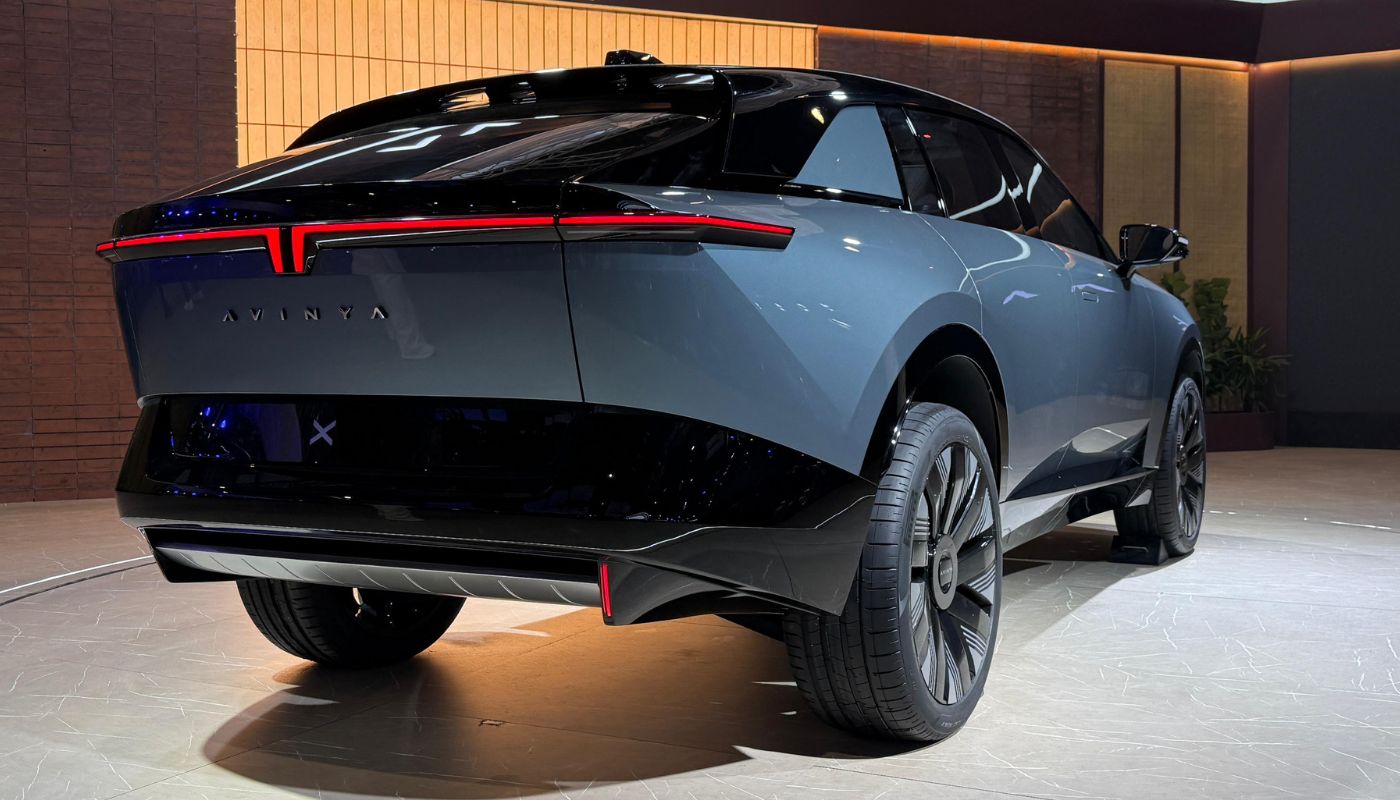
In June, Tata verified the adoption of the Freelander platform originating from the Chery and Jaguar Land Rover partnership for its Avinya product line, with manufacturing scheduled at Panapakkam in Tamil Nadu. Having unveiled the Avinya X concept at the 2025 Bharat Mobility Global Expo, reports indicate the production version could arrive in dealerships as the initial model from the new brand in 2027.
Model Overview
| Model | Expected Launch | Key Details |
|---|---|---|
| New Gen Nexon | 2027 | ATLAS architecture, dual dashboard screens, turbo petrol and diesel engines |
| Tata Kuno EV | 2027-28 | Length around 4.3 metres, slots between Nexon EV and Sierra EV, MG Windsor EV rival |
| Tata Scarlet | Unconfirmed | Sub-4 metre compact SUV, Sierra-inspired upright styling, petrol engines |
| Tata Safari EV | Unconfirmed | Three-row electric SUV, possible 65 kWh and 75 kWh batteries, dual motor AWD |
| Tata Avinya X | 2027 | Freelander JLR platform, manufactured in Panapakkam, concept shown at 2025 Expo |
These upcoming introductions signal a broad expansion across internal combustion and electric categories for buyers in the Indian market, reflecting the company's long-term production trajectory outlined through the end of the decade.