
India is preparing to welcome another prominent automotive marque into its high-end luxury vehicle sector, which is currently commanded by German manufacturers. Hyundai’s prestige division, Genesis, is scheduled to make its official entry into the country towards the end of the year or in the early part of next year. Ahead of this rollout, clear indications of the brand's approach have surfaced through a recently filed patent for the company's premier battery-electric vehicle, the GV90.
Design and Styling Elements
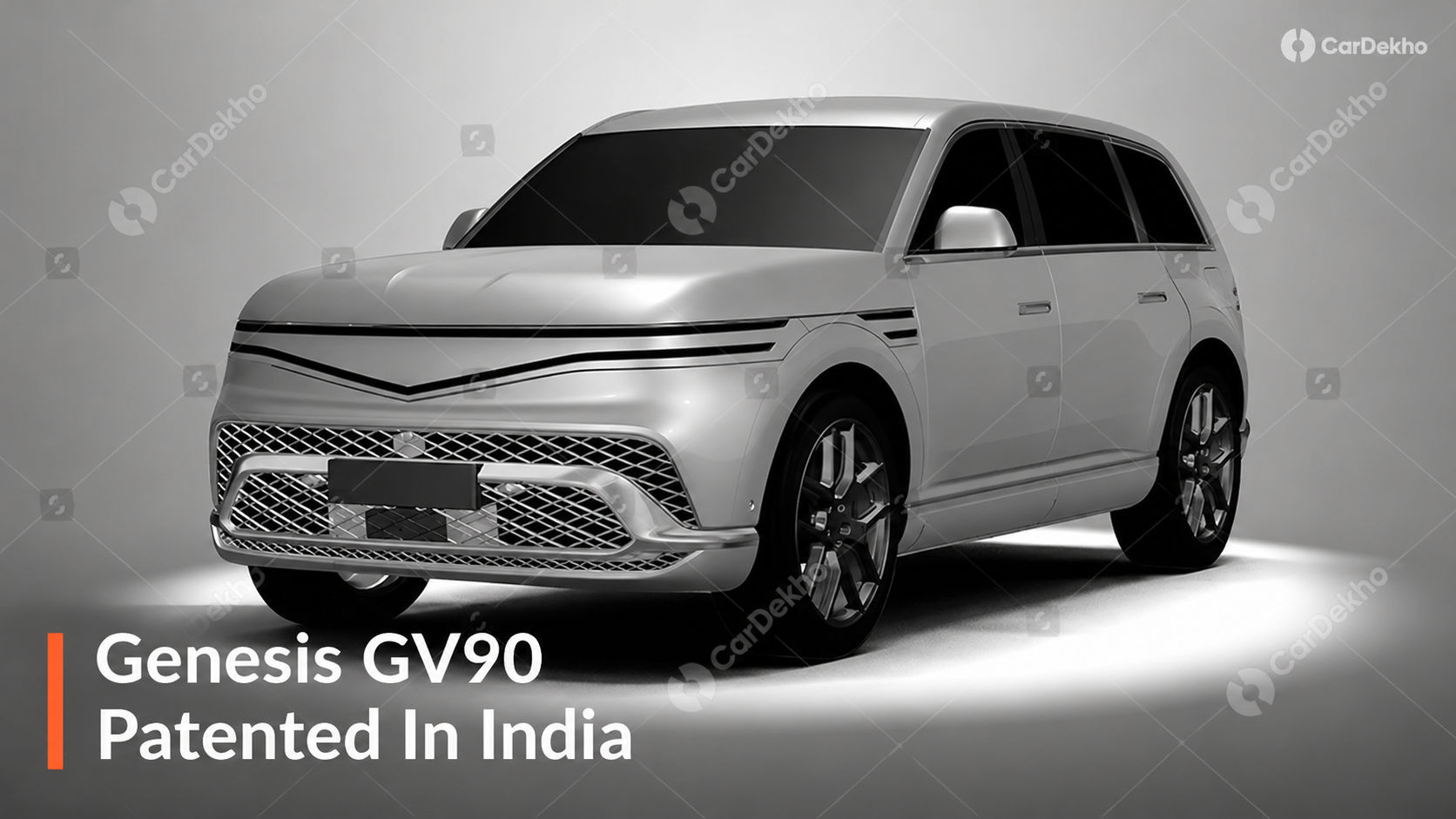
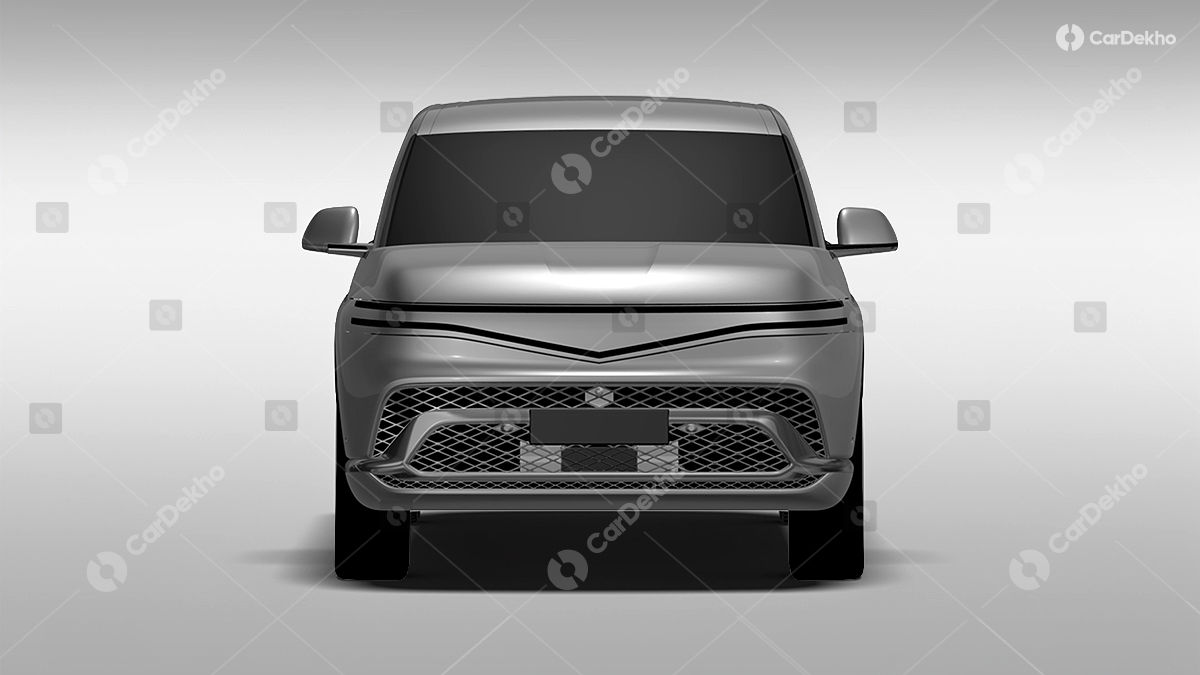
The imagery contained within the patent filing matches the Genesis GV90 currently available in international markets. This top-tier electric full-size SUV displays large, bulbous dimensions coupled with ornate details to establish a distinctive aesthetic. The vehicle incorporates the distinctive brand motif featuring inverted triangle LED daytime running lights, a design language previously applied to older front grilles. Notably, the headlamps are incorporated directly into the extensive daytime running light structure. The upper section remains closed off, while the lower portion features a diamond-patterned chrome grille.
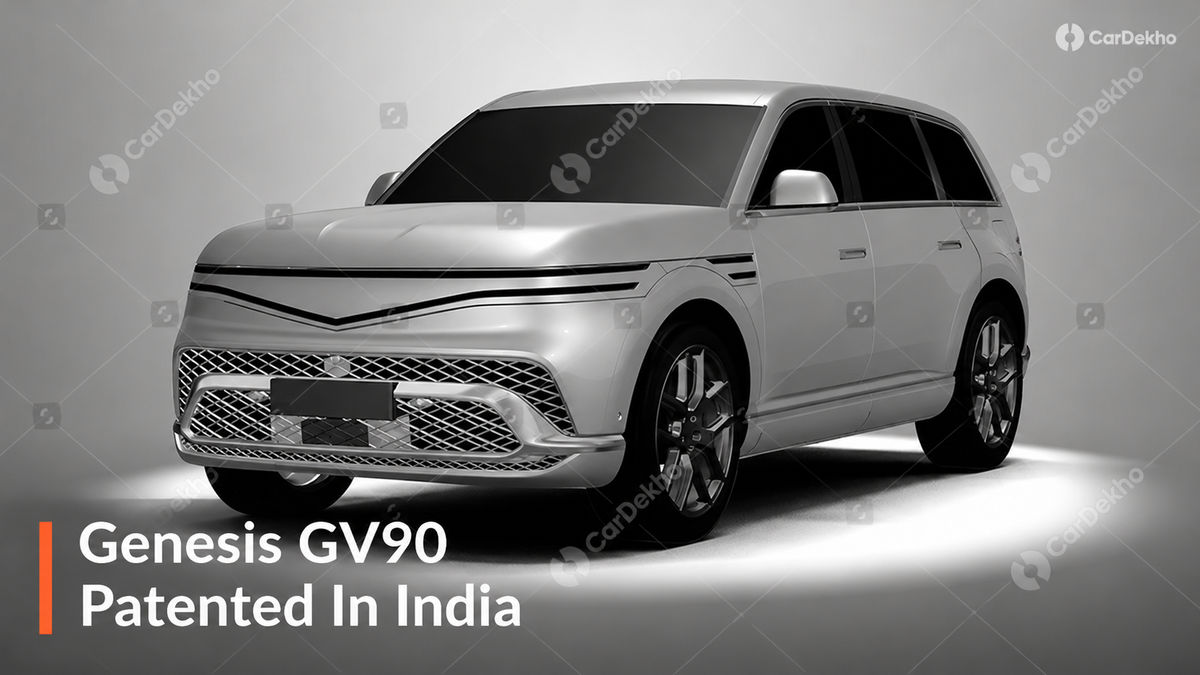
Along the side profile, parallel lines extend across the front fender. The vehicle's overall silhouette projects an authoritative stance characteristic of a flagship luxury utility vehicle. Retractable door handles and chrome window surrounds heighten the upscale appearance. An uncommon characteristic of the GV90 includes rear-hinged doors, commonly known as suicide doors, alongside the elimination of the traditional B-pillar that normally divides the front and rear entryways. The rear section also integrates the dual parallel line theme within the LED tail lamp clusters. The shape and dimensions of the rear glass adopt a retro aesthetic rather than stretching across the entire width of the tailgate. Meanwhile, the back end maintains a clean, minimalist layout accented by chrome details on the bumper.
Interior imagery was omitted from the patent documentation. Nevertheless, referencing the overseas iteration, the cabin utilizes a retro-modern design philosophy centered around a massive 23.6-inch retractable dashboard display, accompanied by retro-styled switches and a traditional clock below. The remaining cabin space is furnished with opulent, high-grade materials and generous proportions appropriate for a leading luxury vehicle.
Drivetrain and Charging Performance
Propulsion for the GV90 comes from a 123.5 kWh battery pack that supplies energy to dual electric motors mounted on both axles. The vehicle supports high-capacity fast charging up to 350 kW, allowing the battery to replenish from 0 to 80 percent capacity in a span of 22 minutes.
| Metric | Specification |
|---|---|
| Battery Capacity | 123.5 kWh |
| Motor Layout | Dual motors on either axle |
| Fast Charging Capability | Up to 350 kW |
| Charging Time (0-80 Percent) | 22 minutes |
Pricing and Market Competitors
Following the brand's market introduction, the GV90 is projected to carry an expected price tag exceeding Rs 2 Crore when it reaches India in 2027. Anticipated market competitors comprise the upcoming Range Rover Electric, Lotus Eletre, Porsche Cayenne Electric, and the Mercedes-Maybach EQS SUV.
Buyer Implications
The introduction of Hyundai's luxury division introduces a fresh contender to the local luxury sector, which is typically dominated by established names. While traditional choices like the Range Rover and Maybach remain common, Genesis aims to distinguish itself through distinct styling and road presence. Globally recognized for delivering upscale features at competitive price points, the division's primary hurdle in India will involve establishing the brand prestige that legacy British and German marques have cultivated over decades, leaving consumers to determine how the new offering will fit among existing luxury contenders.