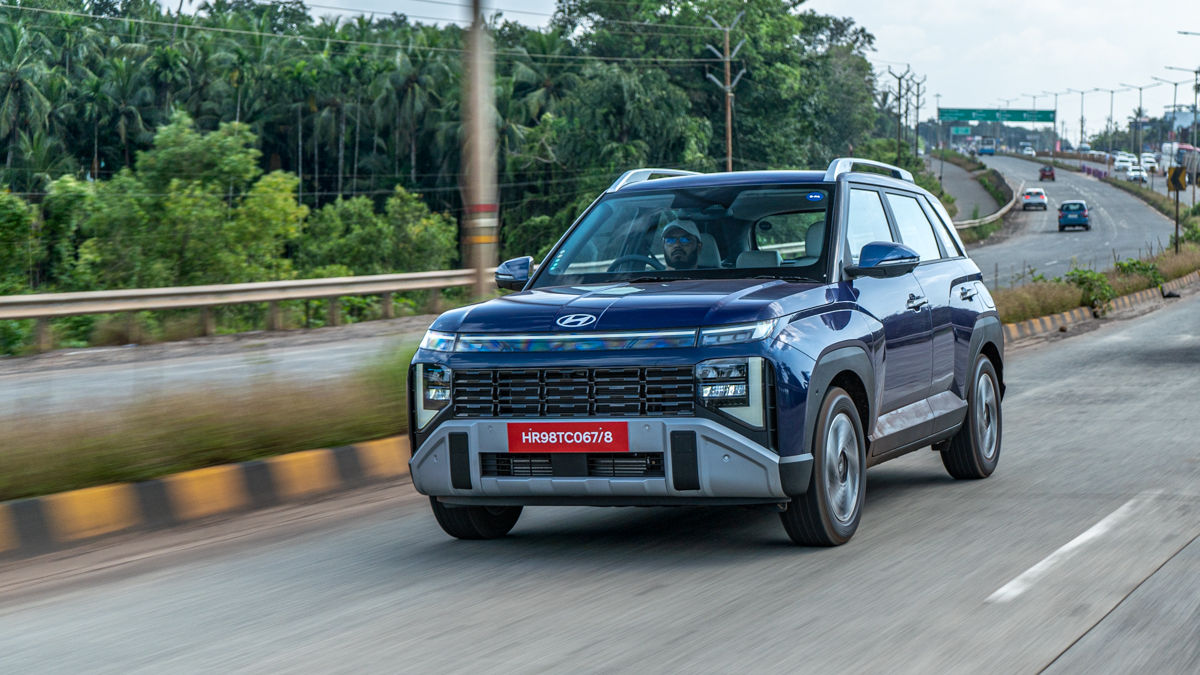

Hyundai India has officially announced that it will implement a price revision across select models and variants within its portfolio, taking effect from December 1, 2026. Buyers considering popular vehicles such as the Grand i10 Nios hatchback, the Venue, or the best-selling Creta SUV will face higher acquisition expenses as the brand joins other manufacturers in adjusting its retail rates.
Reasons Behind The Price Adjustment
Following a bustling festive period, the automaker decided on the upward price correction primarily due to mounting input costs. The company stated that it has absorbed a substantial portion of the financial burden, but is compelled to transfer a minor fraction of the escalated expenses to buyers.

The revised pricing will take effect on December 1, 2026, and will apply to specific models depending on the chosen variant. While the precise lineup of affected vehicles and variant-specific increases remain undisclosed, the manufacturer has confirmed that the maximum increment will reach Rs 8,000.
Current Portfolio And Future Pipeline
At present, the carmaker sells a total of 14 models in India, spanning hatchback, sedan, and SUV categories, alongside two electric vehicles. Looking forward, the company outlined a revival strategy last year comprising 26 fresh product rollouts scheduled up to FY2030. Following the recent introduction of the Bayon SUV, the next-generation Creta has been sighted undergoing road tests frequently. Furthermore, the brand is preparing to enter the compact electric vehicle market with the Ioniq P, which has also been spotted testing locally, alongside plans to introduce the Genesis luxury brand to India next year.
Market Position And Impact
Even with raw material procurement challenges and supply chain disruptions, the manufacturer intends to shoulder most of the cost escalation, keeping the peak increase capped at Rs 8,000 across its offerings. Competing brands like Maruti and Tata have also introduced comparable measures with larger upward adjustments. Nonetheless, because its primary vehicles occupy fiercely contested segments with already premium positioning, the adjustment could marginally impact their attractiveness to prospective buyers.