
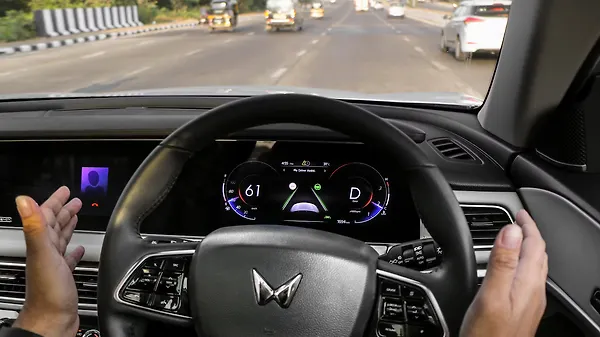
The Ministry of Road Transport and Highways (MoRTH) has released a draft notification proposing that the Advanced Emergency Braking System (AEBS) be made standard equipment across all fresh passenger cars marketed in India. As per the proposal, every brand-new model introduced from 1 October, 2030 will be required to feature the technology. Vehicles already under production prior to that deadline are granted an additional two years, making the mandate applicable to them from 1 October, 2032.
Scope of the AEBS Mandate and M1 Category
Automatic Emergency Braking activates the brakes automatically when a motorist does not respond during a critical situation, working either to prevent a crash or to lessen its impact. The draft encompasses the M1 category, spanning passenger carriers with a maximum of eight seats in addition to the driver, thereby encompassing the majority of automobiles and SUVs currently available in the market.
An earlier benchmark is also included in the timeline. Starting 1 October, 2028, M1 vehicles along with N1 category goods carriers weighing up to 3.5 tonnes that provide AEBS must adhere to AIS-185, which is the Automotive Industry Standard governing the system. Consequently, automobiles already equipped with AEBS must satisfy a uniform standard even prior to the fitment becoming compulsory.
New Steering and Lane-Keeping Standards
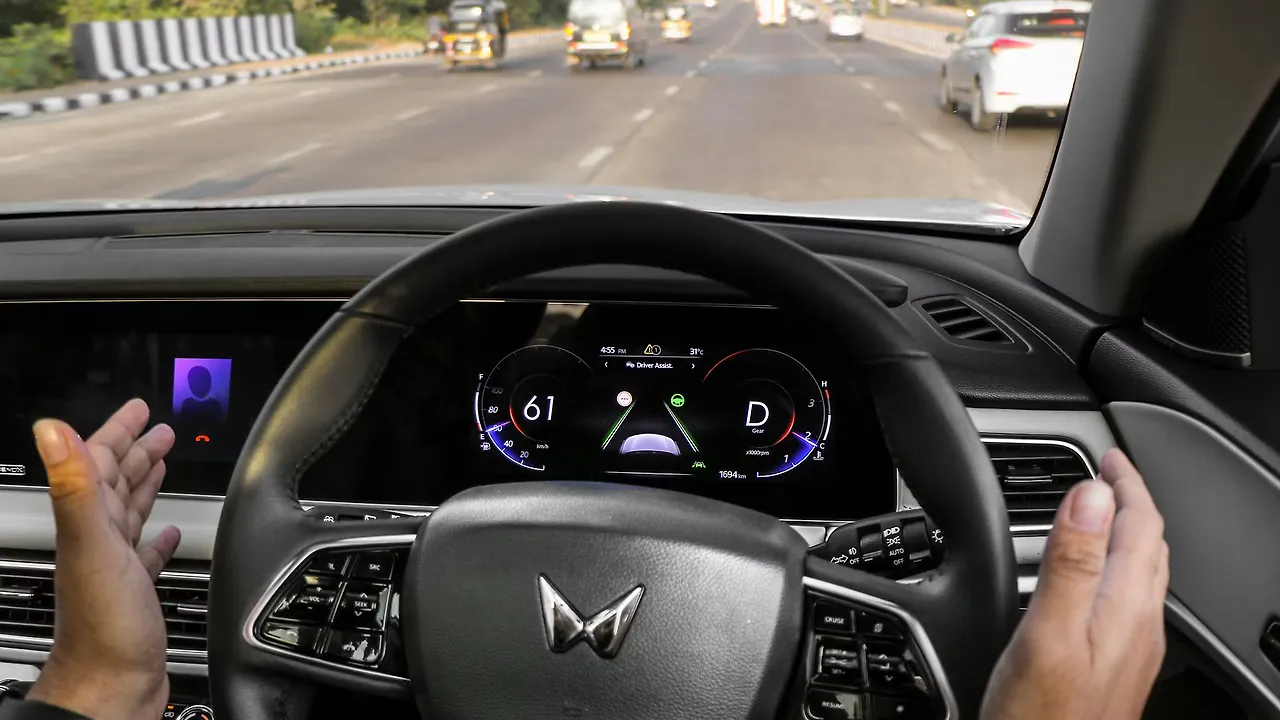
The proposed draft extends past braking mechanisms. Beginning 1 October, 2027, steering effort across all motor vehicles must comply with AIS-193, though motorcycles and three-wheelers lacking a steering wheel are excluded. Cars equipped with Automatic Command Steering Functionalities (ACSF) are required to satisfy the identical standard, while units featuring an Emergency Lane Keeping System (ELKS)—widely referred to as Lane Keeping Assist—must conform to AIS-191 (Part 1).
From 1 October, 2029, both ACSF and ELKS will be compulsory on M1 vehicles registered for transport use, primarily referring to cabs. Reports also indicate that taxis will be mandated to feature drowsiness and attention-warning systems.
Public Consultation and Prior Proposals
- MoRTH is inviting objections and feedback for a period of 30 days prior to finalising the regulations.
- Earlier in the year, the ministry similarly proposed making Vehicle-to-Vehicle (V2V) communication systems compulsory on all new vehicles starting 1 October, 2028.