Introduction
The sub-4 meter SUV segment in India has witnessed an unprecedented transformation, evolving from basic utility vehicles to sophisticated family cars packed with premium features that rival vehicles from higher segments. In 2025, the battle for supremacy reaches its peak with the comprehensively updated Mahindra XUV 3XO taking on the established best-seller Tata Nexon. This isn’t just another comparison—it’s a clash of philosophies, with Mahindra betting big on cutting-edge technology and Tata relying on its proven formula of safety and reliability.
The XUV 3XO represents Mahindra’s most ambitious play in the compact SUV space, featuring a complete transformation that goes far beyond a typical facelift. With a segment-first panoramic sunroof, advanced driver assistance systems, and a completely redesigned interior, it aims to redefine expectations. Meanwhile, the Tata Nexon continues to build on its tremendous success with subtle but significant updates to its infotainment system, enhanced safety features, and the introduction of new variants that keep it competitive in this rapidly evolving market.
Choosing between these two exceptional SUVs requires careful consideration of what matters most to you—whether it’s cutting-edge technology, driving dynamics, safety credentials, or long-term value. Both vehicles represent their manufacturers’ best engineering efforts and come loaded with features that were once reserved for premium segments. This comprehensive comparison breaks down every aspect of these compact SUVs to help you make an informed decision that aligns with your lifestyle, driving needs, and budget.
Price and Variant Analysis: Breaking Down the Value Proposition
Ex-Showroom Price Range (Pan-India):
- Mahindra XUV 3XO: ₹ 7.49 Lakhs – ₹ 15.49 Lakhs
- Tata Nexon: ₹ 8.15 Lakhs – ₹ 15.80 Lakhs
Variant Strategy and Positioning:

Mahindra XUV 3XO Variant Breakdown:
- MX Series (MX1, MX2, MX3): Designed for budget-conscious buyers, these variants focus on essential features while maintaining core safety standards. MX3 serves as the bridge to premium variants.
- AX5: The sweet spot in the lineup, offering impressive feature coverage including 17-inch alloys, LED DRLs, and key connected car features at an accessible price point.
- AX7: The fully-loaded experience with panoramic sunroof, dual 10.25-inch screens, AdrenoX connect technology, and comprehensive safety features.
- AX7 L: The pinnacle variant adding premium touches like leatherette seats, wireless charging, and ventilated seats for ultimate comfort.

Tata Nexon Variant Strategy:
- Smart/Smart+: Entry-level variants targeting first-time buyers and fleet operators with basic but adequate feature sets.
- Pure: Mid-variant that adds the essential touchscreen interface and comfort features that modern buyers expect.
- Creative: Feature-rich variant positioning that includes the 10.25-inch touchscreen, iRA connected car technology, and sunroof—making it popular among urban families.
- Fearless/Fearless+: Top variants that include all advanced features like ventilated seats, wireless charging, and comprehensive safety systems.
Value Analysis and Pricing Strategy:
The XUV 3XO starts with a significant price advantage, undercutting the Nexon by nearly ₹66,000 in the base variant—a strategic move by Mahindra to capture price-sensitive buyers. However, as we move up the variant ladder, the price difference narrows considerably, with both vehicles competing head-to-head in the mid and premium segments.
What sets the XUV 3XO apart is its aggressive feature distribution across variants. The crucial AX5 trim offers features that competing vehicles typically reserve for their top variants, creating exceptional value in the lower and mid segments. The Nexon, while slightly more expensive at entry levels, justifies its pricing through established reliability, extensive service network, and proven resale value.
Exterior Design and Styling: A Tale of Two Philosophies
Mahindra XUV 3XO: Bold and Futuristic
The XUV 3XO represents a complete design departure from its predecessor, embracing a futuristic aesthetic that aligns with Mahindra’s new design language.
- Front Fascia: The most striking element is the new signature LED DRL treatment, which creates a distinctive light signature that’s instantly recognizable. The revised grille pattern incorporates subtle chrome elements that enhance premium appeal without being excessive.
- Profile View: While retaining the XUV300’s fundamental proportions, the 3XO adds new diamond-cut alloy wheel designs and updated cladding that give it a more contemporary appearance.
- Rear Design: The completely new LED tail lights connected by a full-width light bar not only modernize the appearance but also create a visual width that makes the vehicle appear more substantial.
- Segment Differentiator: The panoramic sunroof isn’t just a feature—it’s a design statement that transforms the vehicle’s character and creates an airy, open cabin experience.
Tata Nexon: Evolutionary and Confident
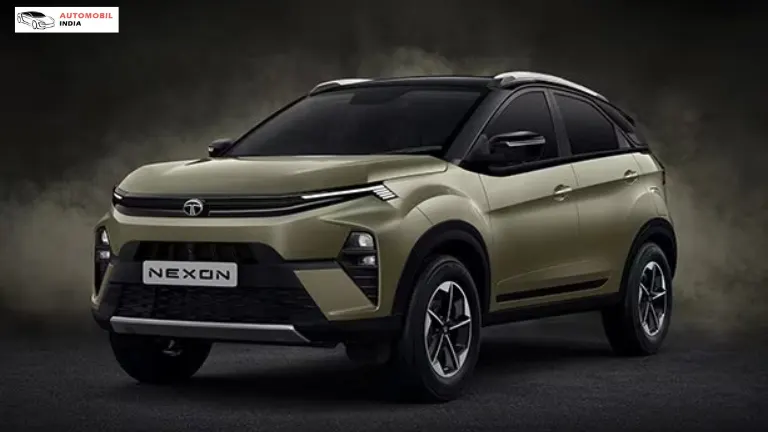
The Nexon’s 2023 facelift gave it a more mature appearance that continues to age gracefully, building on a design that buyers have come to trust and appreciate.
- Front Design: The split headlamp setup remains controversial but distinctive, with LED DRLs positioned on top and main headlamps below, connected by Tata’s signature humanity line grille.
- Side Profile: Strong character lines, pronounced wheel arches, and floating roof options create a dynamic silhouette that maintains its sporty character while offering mass appeal.
- Rear Treatment: The connected LED tail lights and sculpted tailgate maintain visual interest while providing excellent functionality.
- Design Legacy: The Harrier-inspired design language gives it a premium road presence that suggests a vehicle from a higher segment.
Design Verdict:
The XUV 3XO undoubtedly looks fresher and more contemporary with its complete redesign, while the Nexon’s evolutionary approach offers familiarity and established appeal. The XUV 3XO’s panoramic sunroof gives it a distinct advantage in terms of perceived premiumness and creates a wow factor that’s hard to ignore.
Interior and Cabin Experience: Where Technology Meets Comfort
Mahindra XUV 3XO: Setting New Segment Benchmarks
The XUV 3XO’s cabin represents the biggest leap forward, with premium materials and technology that challenge vehicles from higher segments.
- Dashboard Design: The all-new architecture features dual 10.25-inch screens that dominate the landscape, creating a cockpit-like environment that feels genuinely premium.
- Material Quality: Extensive use of soft-touch materials on the dashboard, leather-wrapped steering wheel with integrated controls, and thoughtful attention to detail elevate the perceived quality.
- Infotainment System: The AdrenoX system isn’t just about size—it’s about functionality, with wireless Android Auto/Apple CarPlay, built-in apps, and crisp graphics that respond instantly to inputs.
- Comfort Features: Ventilated front seats are exceptionally effective in Indian conditions, while the single-pane sunroof in lower variants and panoramic unit in higher trims cater to different buyer preferences.
- Storage Solutions: Thoughtfully designed storage spaces including deep center console, generously sized door pockets, and clever small-item storage demonstrate Mahindra’s understanding of real-world needs.
Tata Nexon: Premium but Familiar Territory
The Nexon’s cabin received significant upgrades in its facelift but is now becoming familiar in a market that craves novelty.
- Dashboard Layout: The 10.25-inch touchscreen with iRA connected car technology remains competitive, though the 7-inch digital instrument cluster is beginning to show its age compared to newer rivals.
- Material Selection: Good quality plastics with leatherette upholstery in higher variants maintain a premium feel, though some hard plastics in lower areas remind you of its segment positioning.
- Infotainment Experience: The touchscreen remains responsive with comprehensive wireless connectivity, though the user interface feels slightly dated compared to the XUV 3XO’s more modern system.
- Comfort Elements: Ventilated seats and air purifier are practical additions for Indian conditions, while the standard sunroof (though not panoramic) maintains appeal.
- Storage Practicality: Ample storage spaces throughout the cabin, though the execution isn’t as thoughtfully designed as in the XUV 3XO.
Space and Practicality Comparison:
- Front Space: Both vehicles offer excellent front space with comfortable, adjustable seating positions that accommodate various body types.
- Rear Seat Comfort: The XUV 3XO has marginally better knee room, while the Nexon offers superior headroom, making it better for taller passengers.
- Boot Space: XUV 3XO – 364 liters | Nexon – 382 liters. The Nexon’s advantage here, though marginal, could be decisive for families with significant luggage needs.
- Overall Impression: The XUV 3XO feels more premium and modern, creating an environment that delights every time you enter, while the Nexon focuses on practical comfort that serves well over long ownership.
Feature Comparison: The Technology Arms Race
Infotainment and Connectivity Showdown:
- XUV 3XO: The dual 10.25-inch screens create a seamless digital experience that’s both visually impressive and functionally superior. The AdrenoX system with over 60 connected features, advanced voice commands, and personalized profiles represents the current state of the art in this segment.
- Nexon: The 10.25-inch touchscreen paired with a 7-inch digital cluster delivers a competent but less integrated experience. The iRA connected car technology with over 65 features keeps it competitive but lacks the visual impact of the XUV 3XO’s setup.
- Verdict: Both systems are comprehensive in their functionality, but the XUV 3XO’s dual-screen setup offers better integration and a more modern user experience that will age more gracefully.
Comfort and Convenience Features:
- Sunroof: The XUV 3XO’s panoramic sunroof isn’t just a feature—it’s an experience that transforms the cabin ambiance, while the Nexon’s standard sunroof feels conventional by comparison.
- Seating Comfort: Both offer ventilated front seats, but the XUV 3XO’s seats provide better lateral support and comfort for long-distance driving, with superior cushioning and adjustability.
- Climate Control: Both vehicles feature automatic climate control with rear AC vents, but the XUV 3XO’s dual-zone system in top variants offers enhanced comfort for both driver and passenger.
- Additional Amenities: The Nexon’s air purifier is a thoughtful addition for polluted urban environments, while the XUV 3XO’s wireless phone charging is more conveniently integrated.
Premium and Segment-First Features:
- XUV 3XO Exclusives: Panoramic sunroof, dual-zone climate control, multiple drive modes, rear sunshade, and more advanced connected car features.
- Nexon Exclusives: Air purifier, 360-degree camera, electronic parking brake with auto hold, and slightly more intuitive physical controls for key functions.
Feature Verdict:
The XUV 3XO takes a decisive lead with its panoramic sunroof and more modern tech interface, creating a cabin experience that feels genuinely next-generation. However, the Nexon fights back effectively with practical, well-executed features that address real-world Indian driving conditions, particularly the excellent 360-degree camera and air purifier.
Engine Options and Performance: Power Delivery Compared
Petrol Engine Showdown:
Mahindra XUV 3XO Petrol:
- Engine Architecture: 1.2L Turbo GDI mStallion with direct injection technology
- Power Output: 130 PS @ 5000 rpm—class-leading figures that translate to eager performance
- Torque Delivery: 230 Nm @ 1500-3750 rpm—accessible low-end torque perfect for city driving
- Transmission Options: 6-speed MT, 6-speed AT (Torque Converter)
- Performance Metrics: 0-100 km/h in approximately 10.5 seconds (MT)—making it one of the quickest in its class
Tata Nexon Petrol:
- Engine Configuration: 1.2L Turbo Revotron with port injection
- Power Figures: 120 PS @ 5000 rpm—respectable but trailing the competition
- Torque Characteristics: 170 Nm @ 1750-4000 rpm—adequate but requires more revs for best performance
- Transmission Choices: 5-speed MT, 7-speed DCT, 5-speed AMT
- Acceleration Performance: 0-100 km/h in approximately 11.5 seconds (MT)—competitive but not class-leading
Diesel Engine Comparison:
Mahindra XUV 3XO Diesel:
- Engine Specification: 1.5L mHawk diesel—proven, reliable, and refined
- Power Delivery: 117 PS @ 3750 rpm—strong mid-range performance
- Torque Advantage: 300 Nm @ 1500-2750 rpm—exceptional pulling power from low revs
- Transmission Options: 6-speed MT, 6-speed AT
Tata Nexon Diesel:
- Engine Details: 1.5L Revotorq diesel—refined and efficient
- Power Output: 115 PS @ 3750 rpm—closely matched with the XUV 3XO
- Torque Figure: 260 Nm @ 1500-2750 rpm—strong but less than the Mahindra
- Transmission Availability: 6-speed MT, 6-speed AMT
Performance Analysis and Driving Character:
- Petrol Powertrain: The XUV 3XO has a clear advantage with more power and torque, plus GDI technology that delivers better efficiency and responsiveness across the rev range.
- Diesel Powertrain: Both engines are competent and refined, but the XUV 3XO’s significant torque advantage gives it superior drivability, especially when loaded or overtaking.
- Automatic Options: The XUV 3XO’s torque converter is smoother for city driving and more reliable long-term, while the Nexon’s DCT is quicker shifting but can be hesitant in stop-start traffic.
Ride and Handling Dynamics: Comfort vs Engagement
Ride Quality Assessment:
Mahindra XUV 3XO:
- High-Speed Stability: Excellent composure at highway speeds with well-tuned suspension that absorbs bumps effectively while maintaining planted confidence.
- Low-Speed Comfort: Slightly firm at low speeds but never harsh, striking a good balance between comfort and control.
- Overall Impression: A mature, sophisticated ride quality that inspires confidence across varied road conditions.
Tata Nexon:
- Urban Ride Quality: Softer suspension setup that excels in city conditions, effortlessly absorbing potholes and broken surfaces.
- High-Speed Behavior: Can feel slightly floaty at triple-digit speeds, though never unstable or unnerving.
- Comfort Focus: Clearly prioritized for Indian road conditions, making it an excellent urban companion.
Handling and Steering Feel:
XUV 3XO Dynamics:
- Steering Response: Sharp, well-weighted steering with good feedback and linear response that makes the vehicle feel engaging and connected.
- Cornering Manners: Minimal body roll and confident grip levels that encourage spirited driving.
- Driver Engagement: Clearly tuned for drivers who enjoy the act of driving, without compromising everyday comfort.
Nexon Handling Characteristics:
- Steering Setup: Lighter steering that’s perfect for city maneuvering but lacks feedback at higher speeds.
- Body Control: More pronounced body roll in corners, though the chassis remains predictable and safe.
- Ease of Driving: Focused on making driving effortless rather than engaging, which will appeal to many urban buyers.
Braking Performance and Safety:
- XUV 3XO: Strong brakes with excellent bite and progression, delivering shorter stopping distances in emergency situations.
- Nexon: Adequate braking performance that requires more pedal pressure, with good but not exceptional stopping power.
Driving Verdict:
The XUV 3XO emerges as the better driver’s car with superior handling, more engaging steering, and stronger performance across conditions. The Nexon counters with exceptional comfort in urban environments and easier maneuverability that will appeal to those who prioritize relaxed driving.
Safety Features and Ratings: Protecting What Matters Most
Safety Credentials and Crash Test Performance:
- Global NCAP Rating: Both vehicles have achieved the coveted 5-star rating for adult occupant protection, placing them at the pinnacle of safety in their segment.
- Standard Safety Equipment: Both offer 6 airbags as standard in mid and top variants, along with essential electronic aids like ESP, traction control, and hill hold assist.
- Structural Integrity: Both manufacturers have demonstrated commitment to safety through robust body structures designed to withstand various impact scenarios.
Advanced Safety and Driver Assistance Features:
Mahindra XUV 3XO Safety Suite:
- Parking Assistance: Front parking sensors combined with camera systems make maneuvering effortless
- Blind Spot Monitoring: A valuable feature for highway driving and lane changes
- 360-Degree Camera: Comprehensive visibility around the vehicle
- Tire Pressure Monitoring: Real-time monitoring for enhanced safety and efficiency
- Emergency Call Function: Automatic alert system in case of accidents
Tata Nexon Safety Features:
- 360-Degree Camera: Excellent clarity and coverage for parking and low-speed maneuvering
- Front Parking Sensors: Complement the camera system effectively
- Electronic Parking Brake with Auto Hold: Convenient feature for hill starts and traffic signals
- Tire Pressure Monitoring System: Keeps track of tire conditions
Build Quality and Perceived Safety:
- XUV 3XO: Feels solid and well-put-together with consistent panel gaps and premium material feel that enhances the sense of security.
- Nexon: Robust build quality that has proven its safety in real-world conditions, with a track record that inspires confidence.
Safety Verdict:
Both vehicles are equally impressive in terms of crash safety ratings and standard safety equipment. However, the XUV 3XO offers more advanced driver assistance features as standard in higher variants, giving it a slight edge in preventive safety technology.
Fuel Efficiency Comparison: Running Costs Analyzed
Official ARAI Mileage Figures:
Petrol Manual Transmission:
- XUV 3XO: 20.1 km/l
- Nexon: 17.30 km/l
Petrol Automatic Transmission:
- XUV 3XO (AT): 18.5 km/l
- Nexon (DCT): 17.01 km/l
Diesel Manual Transmission:
- XUV 3XO: 20.5 km/l
- Nexon: 23.00 km/l
Real-World Efficiency Expectations:
- Petrol Variants: The XUV 3XO typically delivers 12-14 km/l in city conditions and 16-18 km/l on highways, while the Nexon manages 11-13 km/l in city and 15-17 km/l on highways.
- Diesel Variants: Both are efficient, with the XUV 3XO delivering 15-17 km/l in city and 18-21 km/l on highway, while the Nexon achieves similar figures despite its higher official rating.
Efficiency Analysis:
The XUV 3XO petrol demonstrates a clear advantage in real-world efficiency, thanks to its GDI technology and more modern engine management systems. The Nexon diesel maintains an edge in official figures, though real-world differences are less pronounced. For most buyers, the actual efficiency will depend more on driving style and conditions than the official ratings.
Ownership Costs and Resale Value: Long-Term Considerations
Maintenance Costs and Service Intervals:
- XUV 3XO: Service interval of 1 year/10,000 km with annual maintenance costs typically ranging between ₹8,000-12,000 depending on variant and driving conditions.
- Nexon: Advantageous service interval of 1 year/15,000 km with slightly lower annual maintenance costs of approximately ₹7,000-10,000.
Warranty Coverage:
- Both Vehicles: Standard 3 years/1,00,000 km warranty that provides adequate coverage for most ownership periods.
Resale Value Projections:
- Current Market Position: The Nexon currently enjoys slightly better resale value due to its established reputation and higher brand trust in the used car market.
- Future Projections: The XUV 3XO’s premium positioning and segment-first features are expected to help it maintain strong resale value, potentially matching or exceeding the Nexon over time.
Service Network and Support:
- Mahindra: Approximately 500+ sales and service touchpoints across India, with consistent service quality.
- Tata: More extensive network with 700+ sales and service touchpoints, providing better accessibility in smaller towns and rural areas.
Ownership Experience Verdict:
The Nexon has marginal advantages in maintenance costs and service network reach, while the XUV 3XO’s premium positioning suggests strong long-term value retention. Both manufacturers have significantly improved their service quality and customer support in recent years.
Which One Should You Buy? Making the Right Choice
Choose Mahindra XUV 3XO If:
- You want the latest technology and premium features that challenge higher segments
- Performance and driving dynamics are important considerations
- The panoramic sunroof and dual-screen setup significantly enhance your driving experience
- You prefer a more engaging and connected driving feel
- Petrol engine performance and efficiency are priorities
Choose Tata Nexon If:
- You prioritize ride comfort, particularly in urban and mixed road conditions
- Established reliability, extensive service network, and proven track record matter
- You value the convenience of 360-degree camera for parking and tight spaces
- Diesel is your preferred fuel choice for long-distance driving
- Lower maintenance costs and slightly better service accessibility are important
Best Value Variants Recommendation:
- XUV 3XO AX7: Offers the complete package including panoramic sunroof, comprehensive safety features, and premium interior at a competitive price point.
- Nexon Creative S: Provides an excellent balance of features, comfort, and value, making it the smart choice for practical-minded buyers.
Conclusion: The Verdict for 2025
The sub-4 meter SUV segment has never been more competitive or exciting, and both the Mahindra XUV 3XO and Tata Nexon represent the absolute best of what Indian manufacturers can deliver. After comprehensive analysis across all parameters, each vehicle establishes a clear identity and value proposition.
The Mahindra XUV 3XO makes an overwhelmingly strong case with its segment-first features, genuinely premium interior experience, and superior performance credentials. It doesn’t just compete in the segment—it redefines it, offering features and experiences that were previously unavailable at this price point. For buyers who want the latest technology, engaging driving dynamics, and a vehicle that feels special every time they drive it, the XUV 3XO is the clear choice.
The Tata Nexon continues to be a compelling package that delivers where it matters most to Indian families—comfort, reliability, safety, and practical ownership experience. While it may not have the immediate wow factor of the XUV 3XO, it excels in the fundamentals that ensure long-term satisfaction. For buyers who prioritize proven reliability, exceptional urban comfort, and peace of mind through extensive service network, the Nexon remains an excellent choice.
Final Verdict: The Mahindra XUV 3XO emerges as the new segment benchmark for 2025, offering a more complete and premium package that justifies its slightly higher positioning. However, the Tata Nexon’s established reputation and specific strengths ensure it remains highly relevant. Your final decision should align with your priorities—cutting-edge technology and driving pleasure (XUV 3XO) versus proven comfort and reliability (Nexon).
FAQs
1. Which has better features – XUV 3XO or Nexon?
The XUV 3XO offers more premium and segment-first features including a panoramic sunroof, dual 10.25-inch screens, AdrenoX connected car technology, and more advanced driver assistance systems. While the Nexon is well-equipped with practical features, it can’t match the XUV 3XO’s technological sophistication in the top variants.
2. Is XUV 3XO more expensive than Nexon?
The XUV 3XO starts at a lower price point (₹7.49 lakh vs ₹8.15 lakh) but top variants are similarly priced. Overall, the XUV 3XO offers better value for money given its more extensive feature set and premium positioning in the segment.
3. Which car has better safety rating?
Both cars have achieved 5-star Global NCAP ratings for adult occupant protection, making them equally safe in terms of crash protection. Both come with comprehensive safety features including 6 airbags, ESP, and other essential safety systems as standard in mid and higher variants.
4. Which SUV has better mileage?
For petrol variants, the XUV 3XO is more efficient (20.1 km/l vs 17.30 km/l as per ARAI). For diesel, the Nexon has better official figures (23.00 km/l vs 20.5 km/l). However, real-world differences are less significant and depend heavily on driving conditions and style.
5. Which is better for city driving?
The Nexon has a slightly more comfortable low-speed ride and lighter steering, making it marginally better for pure city driving. However, the XUV 3XO’s automatic transmission is exceptionally smooth in city conditions, and its tighter turning circle can be advantageous in tight spaces.
6. What are the key advantages of XUV 3XO over Nexon?
-
Panoramic sunroof (segment first)
-
More powerful and efficient engines
-
Dual 10.25-inch screens with advanced interface
-
More premium interior materials and design
-
Better handling and driving engagement
-
More contemporary and distinctive exterior styling
7. What are the key advantages of Nexon over XUV 3XO?
-
Softer, more comfortable ride quality
-
Established service network and reliability track record
-
Slightly better rear headroom and boot space
-
Excellent 360-degree camera system
-
Air purifier for polluted urban environments
-
Marginally lower maintenance costs and longer service intervals
Tags: Mahindra XUV 3XO, Tata Nexon, XUV 3XO vs Nexon, compact SUV comparison, sub-4 meter SUV, Mahindra vs Tata, best compact SUV 2025, XUV 3XO review, Nexon facelift, car comparison