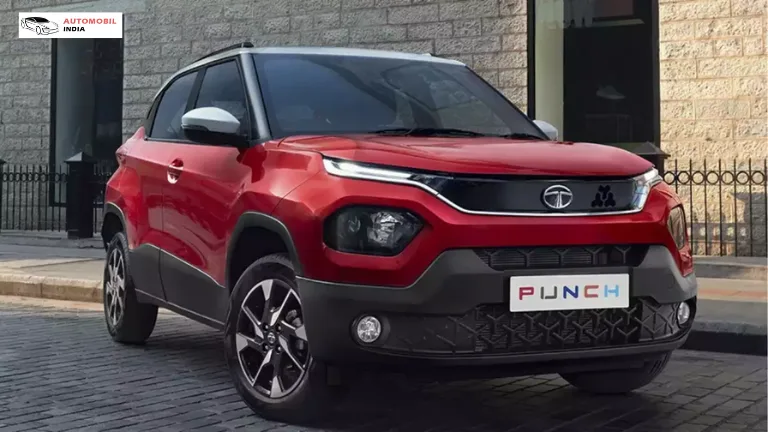
The transmission choice in your Tata Punch can significantly impact your daily driving experience, fuel efficiency, and overall ownership satisfaction. While the traditional manual gearbox offers complete control and engagement, the Automated Manual Transmission (AMT) provides convenience in stop-and-go traffic. With both options available across multiple variants, choosing between them requires understanding their distinct characteristics and how they align with your driving needs.
This comprehensive comparison examines every aspect of the Punch’s manual and AMT transmissions. From technical specifications and real-world performance to maintenance costs and resale value, we provide detailed insights to help you make an informed decision. Whether you’re a seasoned driver who enjoys shifting gears or someone looking for effortless city commuting, this guide will clarify which transmission suits your lifestyle better.
Gearbox Type: 5-speed automated manual Clutch Operation: Electro-hydraulic actuator Gear Ratios: Same as manual transmission Drive Modes:
Drive (D): Automatic shifting
Manual (M): Sequential manual control
Reverse (R)
Neutral (N)
Key Technical Differences
Weight Difference: AMT is approximately 15kg heavier Component Sharing: 85% components shared with manual gearbox Additional Systems: AMT adds TCU, actuators, and sensors
Performance Analysis
Acceleration Performance
0-60 km/h Times:
Manual:2 seconds
AMT:1 seconds
Difference:9 seconds slower for AMT
20-80 km/h (3rd Gear):
Manual:8 seconds
AMT:3 seconds
Difference:5 seconds slower for AMT
40-100 km/h (4th Gear):
Manual:5 seconds
AMT:8 seconds
Difference:3 seconds slower for AMT
Overtaking Performance
3rd Gear Overtaking (40-80 km/h):
Manual:2 seconds
AMT:9 seconds
Real-world Impact:AMT requires more planning for overtaking
Kick-down Response:
Manual:Instant throttle response
AMT:1-1.5 second delay before downshift
Gradeability Performance
Hill Climbing:
Manual:Better control on steep inclines
AMT:Can roll back on steep slopes before engagement
Hill Hold:Available in AMT (prevents roll-back)
Fuel Efficiency Comparison
Official ARAI Figures
Manual Transmission:09 km/l
AMT Transmission:80 km/l
Difference:29 km/l advantage for manual
Real-World Fuel Efficiency
City Driving Conditions:
Manual:14-16 km/l
AMT:13-15 km/l
Conditions:Heavy traffic, frequent stops
Highway Driving:
Manual:18-20 km/l
AMT:17-19 km/l
Conditions:Constant 80-100 km/h cruising
Mixed Driving (City + Highway):
Manual:16-18 km/l
AMT:15-17 km/l
Factors Affecting Efficiency
AMT Efficiency Advantages:
Consistent shift points
No human error in shifting
Optimal upshift reminders
Manual Efficiency Advantages:
Better coasting ability
Anticipatory downshifting
Engine braking control
Driving Experience Comparison
City Driving
Manual Transmission:
Advantages:Better control, immediate response
Disadvantages:Clutch fatigue in heavy traffic
Best For:Enthusiasts who enjoy driving engagement
AMT Transmission:
Advantages:Left-foot freedom, no clutch operation
Disadvantages:Jerky shifts in stop-go traffic
Best For:Daily commuters in bumper-to-bumper traffic
Highway Driving
Manual Experience:
Cruising:Relaxed in 5th gear
Overtaking:Quick downshifts for power
Control:Complete command over gear selection
AMT Experience:
Cruising:Similar comfort to manual
Overtaking:Requires manual mode for quick response
Control:Limited to suggested shift points
Hilly Terrain Performance
Manual Advantages:
Engine braking control
Precise gear selection
No transmission overheating
AMT Challenges:
Frequent gear hunting
Potential overheating on long climbs
Roll-back on steep inclines
Ownership Costs Analysis
Initial Purchase Price
Price Difference: AMT costs ₹ 40,000-50,000 more than equivalent manual variant Variant Availability: AMT available from Accomplished variant onwards
Maintenance Costs
Service Intervals:
Both:1 year/15,000 km
Clutch (Manual):Replacement every 80,000-100,000 km
AMT Actuators:Service every 60,000 km
Typical Maintenance Costs:
Manual Clutch Replacement:₹ 8,000-12,000
AMT Actuator Service:₹ 3,000-5,000
Regular Service:Similar costs for both
Long-term Reliability:
Manual:Proven reliability, simpler design
AMT:More complex, but Tata’s system is well-developed
Resale Value
Current Market Trends:
Manual:55-60% after 3 years
AMT:50-55% after 3 years
Demand:Higher for manual in used car market
Feature and Variant Analysis
AMT-Specific Features
Drive Modes:
Creep Function:Automatic forward movement
Hill Hold Assist:Prevents roll-back on slopes
Manual Override:Sequential shift capability
Variant Availability:
AMT Options:Accomplished, Creative, Fearless variants
Manual Options:All variants from Pure to Fearless+
Missing Features in AMT
No Paddle Shifters
Limited Sport Mode Options
Basic Manual Mode Implementation
Pros and Cons Summary
Manual Transmission Advantages
Better acceleration performance
Higher fuel efficiency
Lower purchase price
More engaging driving experience
Better resale value
Proven reliability
Manual Transmission Disadvantages
Clutch fatigue in heavy traffic
Learning curve for new drivers
Requires more driver attention
Not suitable for all drivers
AMT Transmission Advantages
Effortless city driving
No clutch operation
Easier for new drivers
Hill hold assist
Reduced driver workload
AMT Transmission Disadvantages
Slower acceleration
Jerky shifts in traffic
Higher purchase price
Lower fuel efficiency
Less engaging to drive
Target User Recommendations
Choose Manual Transmission If:
You enjoy driving and gear shifting
Your daily commute involves open roads
Fuel efficiency is a top priority
Budget constraints are important
You frequently drive on hilly terrain
Choose AMT Transmission If:
You primarily drive in city traffic
You have physical limitations with clutch operation
You’re a new driver learning to drive
Convenience is more important than performance
Your daily commute involves heavy traffic
Real-World Owner Experiences
Manual Owner Feedback
Positive Comments:
“Great control on highways”
“Better mileage than expected”
“Smooth clutch action”
“Engaging driving experience”
Common Complaints:
“Tiring in Bangalore traffic”
“Could be better for new drivers”
“Requires frequent gear changes”
AMT Owner Feedback
Positive Comments:
“Life-saving in Mumbai traffic”
“Easy for my wife to drive”
“Hill hold works perfectly”
“No left-leg fatigue”
Common Complaints:
“Jerky in slow-moving traffic”
“Slow response when overtaking”
“Should have paddle shifters”
Maintenance and Care Tips
Manual Transmission Care
Clutch Usage:Avoid riding the clutch
Gear Shifting:Smooth, deliberate shifts
Service Intervals:Regular clutch adjustment
Fluid Changes:Every 60,000 km
AMT Transmission Care
Service Intervals:Strict adherence to schedule
Actuator Maintenance:Regular calibration
Driving Habits:Avoid aggressive throttle inputs
Overheating Prevention:Use manual mode in hills
Future Considerations
Market Trends
AMT Adoption:Increasing in urban markets
Resale Patterns:Manual still preferred in used market
Technology Evolution:AMT systems improving rapidly
Personal Factors
Family Usage:Multiple drivers may prefer AMT
Driving Conditions:Traffic patterns may change
Long-term Plans:Consider resale preferences
Conclusion
The choice between Tata Punch’s manual and AMT transmissions ultimately depends on your specific driving needs, preferences, and circumstances. Both options have their merits, and neither is objectively better than the other—they simply serve different purposes.
Final Recommendations:
For Performance and Value: Choose the manual transmission. It offers better acceleration, higher fuel efficiency, and lower ownership costs while providing a more engaging driving experience.
For Convenience and Comfort: Choose the AMT transmission. It reduces driver fatigue in city traffic, is easier for new drivers, and offers modern convenience features like hill hold assist.
Consider your daily driving route, traffic conditions, budget, and personal preferences carefully. Test drive both transmissions extensively before making your decision. Remember that the right choice is the one that makes your daily driving experience more enjoyable and stress-free.
FAQs
Is Punch AMT reliable for long-term use?
Yes, Tata’s AMT system has proven reliable over multiple generations. While more complex than manual, it’s designed for Indian conditions and comes with full warranty coverage. Regular maintenance is key to long-term reliability.
Which is better for hilly areas – AMT or Manual?
Manual is generally better for hilly terrain due to better engine braking control and no risk of transmission overheating. However, AMT with hill hold can work well if you use manual mode on steep gradients.
Can I learn driving with Punch AMT?
Absolutely! AMT is excellent for learning as it eliminates clutch control challenges. You can focus on steering, braking, and road awareness without worrying about stalling.
How much extra does AMT cost over manual?
The AMT variant costs approximately ₹ 40,000-50,000 more than the equivalent manual variant. This includes the transmission system and additional features like hill hold assist.
Is AMT fuel efficiency significantly lower?
In real-world conditions, AMT is about 0.5-1 km/l less efficient than manual. The difference is more noticeable in city driving than on highways.
Which transmission has lower maintenance cost?
Manual transmission has lower long-term maintenance costs due to simpler design. AMT requires additional actuator maintenance but doesn’t have clutch replacement costs.
Can I switch between automatic and manual mode in AMT?
Yes, Tata Punch AMT offers manual mode where you can sequentially shift gears using the gear lever. This is useful for overtaking or driving on hills.