
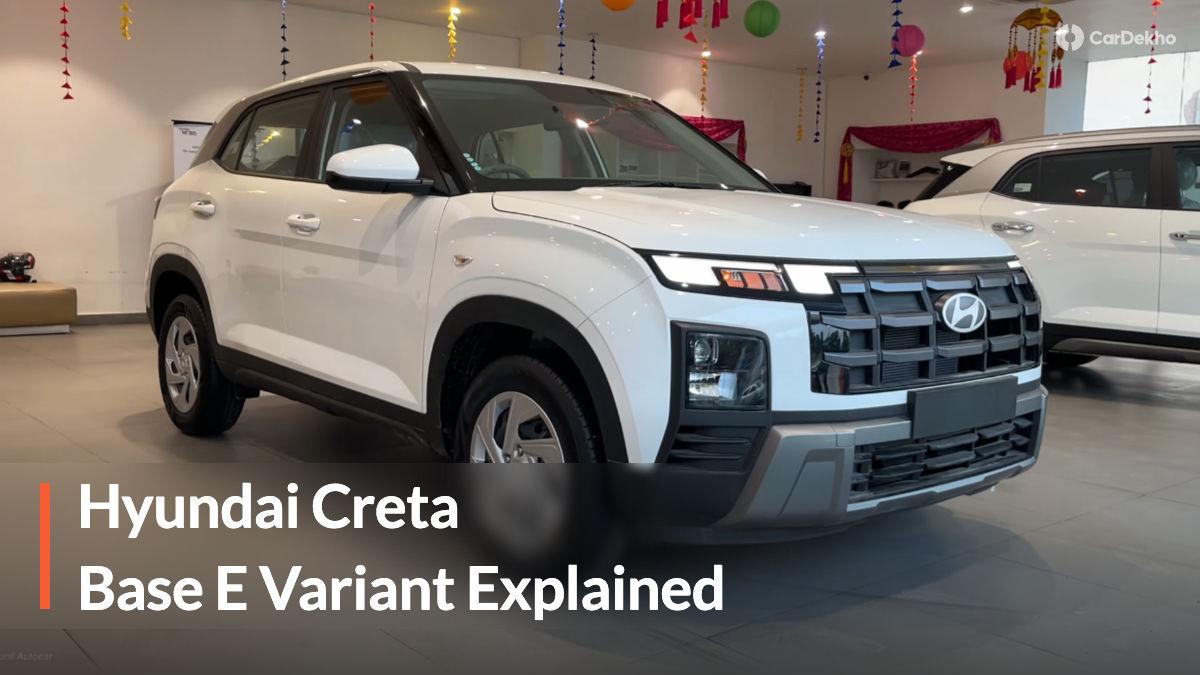
The Hyundai Creta has maintained its position as one of India's prominent compact SUVs since the arrival of the second-generation model in 2020. Six years later, it continues to register strong sales despite heightened segment competition, with the third-generation model anticipated in early 2027. For buyers considering the compact SUV in 2026, the lineup starts with the entry-level E variant, which balances essential features and safety equipment while omitting several creature comforts found in higher trims.
Pricing and Powertrain Options
The overall price range for the Hyundai Creta spans from Rs 10.91 lakh to Rs 20.46 lakh. The base-spec E variant is offered solely with manual transmissions, lacking any automatic gearbox options. Buyers looking for automated gearboxes must step up to higher trims, where the petrol engine pairs with a CVT and the diesel engine pairs with a 6-speed torque converter automatic.
| Variant | Engine | Transmission |
|---|---|---|
| Creta E (Petrol) | 1.5-litre Naturally Aspirated6-speed Manual | |
| Creta E (Diesel) | 1.5-litre Diesel6-speed Manual |
Exterior Design and Colour Choices
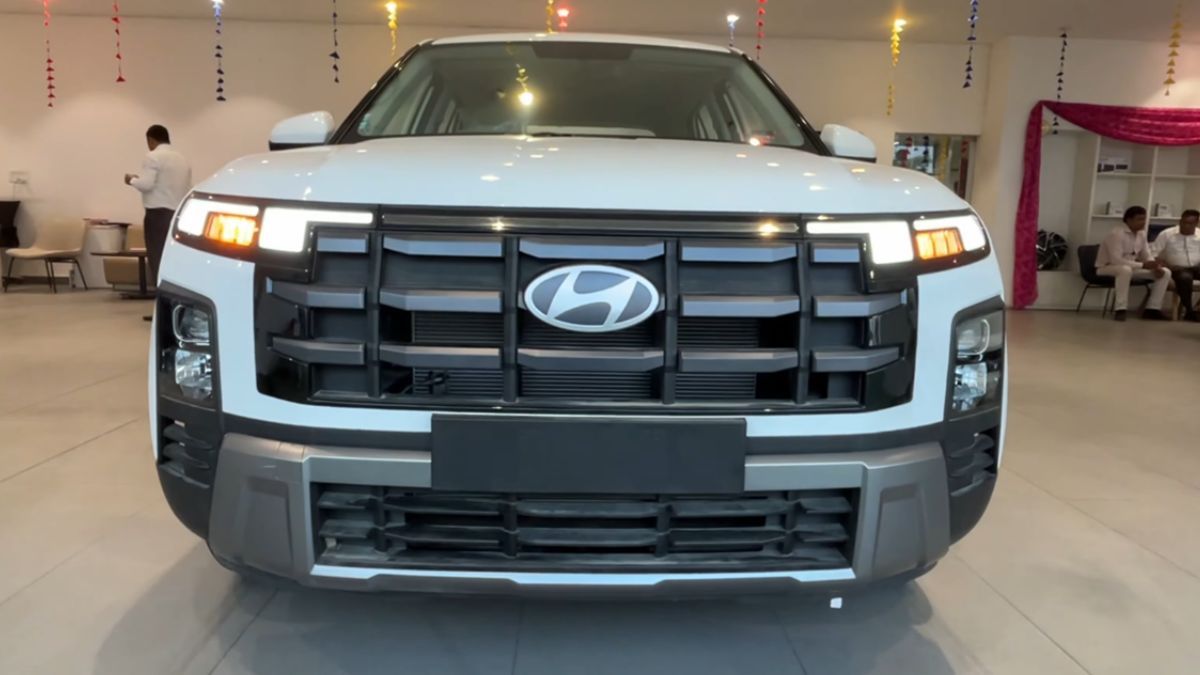
On the outside, the base-spec Creta E features halogen projector headlights with a follow-me-home function, omitting LED DRLs. It sports the standard grille design without a dark finish, accompanied by a silver-finished front skid plate. Profile elements include 16-inch steel wheels with covers, body-coloured door handles and ORVMs, and front fender-mounted turn indicators. Roof rails, a sharkfin antenna, and larger 17-inch wheels are absent from this trim.
The rear styling incorporates an LED positioning lamp alongside a halogen lighting setup, a high-stopped stop lamp within the spoiler, a silver-finished skid plate, and the Creta badge on the bottom left of the tailgate. A rear wiper with washer and a rear defogger are not provided on the E variant. For exterior paint shades, the base trim is restricted to Atlas White and Titanium Black out of the wider lineup's five monotone choices, two matte options, and one dual-tone combination.
Cabin Layout and Interior Features
Inside, Hyundai outfits the base variant with a dual-tone grey and beige color scheme, fabric seat upholstery, and brushed-silver accents throughout. It features a 4-spoke flat-bottom steering wheel without leather wrapping and black door handles. Adjustable headrests are limited to front occupants, leaving the rear middle passenger without one. The trim also misses out on a cooled glovebox and a rear parcel tray.
- Fold-out rear armrest with cupholders
- Front centre armrest with storage
- 60:40 split-folding rear seats
- Door scuff plates
- Semi-digital instrument cluster
Comfort and Safety Equipment
Convenience amenities on the base model include all four power windows, tilt and telescopic steering wheel adjustment, a height-adjustable driver seat, and manual air conditioning with rear vents. Notably, the vehicle leaves the factory without any infotainment system. Safety equipment is robust, featuring six airbags, electronic stability control (ESC), ISOFIX child seat anchorages, a tyre pressure monitoring system (TPMS), and all-wheel disc brakes. Higher-end features like a rear parking camera, dashcam, and electronic parking brake with auto-hold are reserved for mid- and higher-spec variants.
Market Position and Rivals
The Creta contends against the Tata Sierra, Maruti Grand Vitara and Victoris, Toyota Urban Cruiser Hyryder, Honda Elevate, Kia Seltos, Skoda Kushaq, Nissan Tekton, Volkswagen Taigun, Renault Duster, MG Astor, Citroen Aircross, and SUV-coupes like the Citroen Basalt and Tata Curvv. The E variant caters to purchasers prioritizing space, road presence, and core safety over cabin technology, though it requires compromises on infotainment and automatic transmission options.