
Hybrid and plug-in hybrid automobiles are positioned to acquire heightened importance within the Indian territory as traditional petrol propulsion surrenders market share and producers broaden their mechanical configurations. During September 2026, petrol combustion units represented 41 per cent of overall passenger vehicle transactions, reflecting a decline from 47 per cent during the corresponding timeframe of the prior year. Conversely, alternative energy categories encompassing compressed natural gas, hybrid systems, and battery electric units collectively attained 41 per cent in that identical month, climbing from 35 per cent twelve months prior according to Federation of Automobile Dealers Associations records.
Manufacturer Strategies And Product Roadmaps
Stellantis has already detailed a fresh commercial strategy for the nation spanning conventional internal combustion engines, hybrids, and fully electric platforms across multiple vehicle classifications. A total of seven brand-new automobiles along with five product enhancements are scheduled, with this aggressive rollout commencing during the second quarter of 2027. The integration of hybrid technology within that specific trajectory highlights how electrified thermal mechanisms are turning into a vital element of the manufacturer's upcoming direction.
French automaker Renault has arrived at an identical perspective starting from a different operational foundation. The enterprise's domestic prosperity relies equally upon mechanical variety and the sheer quantity of vehicles presented to consumers. Approximately a year ago, existing offerings like the Kwid, Kiger, and Triber catered to merely 30 per cent of the domestic sector. The company presently aims to expand its vehicular and propulsion lineup to cover nearly 80 per cent within the upcoming two-year period, necessitating options beyond standard petrol engines.
Adoption Rates And Industry Scale
Toyota supplies tangible proof that electrified thermal engineering already possesses considerable magnitude in the region. The corporation has surpassed three lakh hybrid units delivered, utilizing this technology alongside compressed natural gas, battery power, and standard combustion alternatives within its commercial blueprint. Compressed natural gas functions as another critical component since the majority of volume manufacturers have adopted the trend.
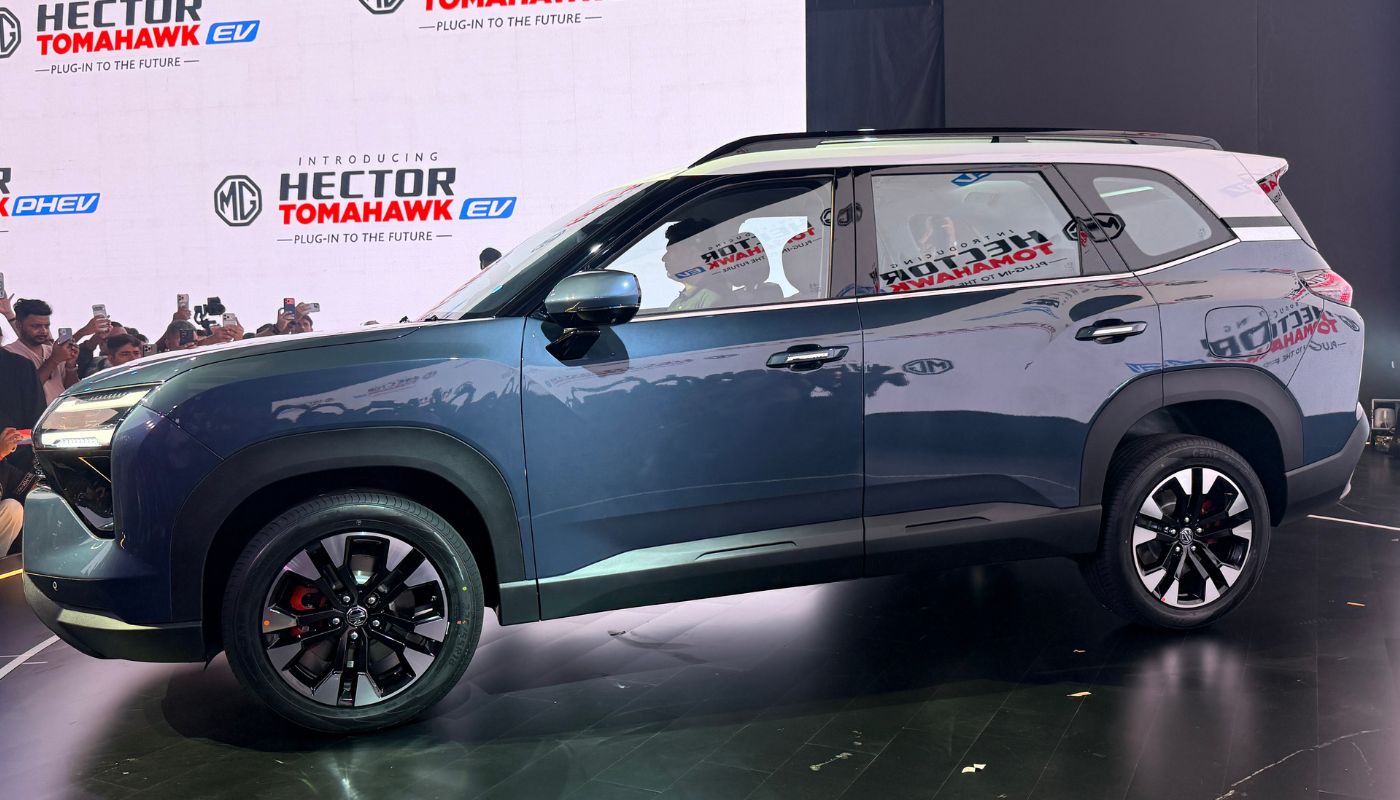
Firms including Maruti Suzuki, Tata, and Hyundai actively promote their broadened compressed natural gas selections. Furthermore, Hyundai's recently opened Pune facility is slated to manufacture upcoming hybrid vehicles. Domestic player Mahindra recently entered the factory-fitted compressed natural gas segment via the XUV 3XO ZNG, while MG and Kia signaled their objectives through the introduction of the Hector Tomahawk PHEV and the domestically produced Sorento. Additionally, Volkswagen Group India continues assessing compressed natural gas and flex-fuel variants in response to stricter environmental regulations.
| Manufacturer | Drivetrain Focus | Key Models / Notes |
|---|---|---|
| Toyota | Hybrids and CNG | Surpassed three lakh hybrid sales |
| Stellantis | ICE, Hybrids, EVs | Seven new models and five upgrades from Q2 2027 |
| Renault | Expanded powertrain portfolio | Aiming for 80 per cent market coverage |
| Mahindra | CNG | Introduced XUV 3XO ZNG |
Implications For Buyers
The continuous diversification of fuel and propulsion varieties indicates that future automotive development will rely heavily on specific vehicle categories, geographical regions, and charging infrastructure rather than a single substitute for diesel or petrol. Hybrids and plug-in hybrids stand to gain advantages from this divided landscape because they bridge the gap between pure internal combustion engines and battery electric vehicles.