
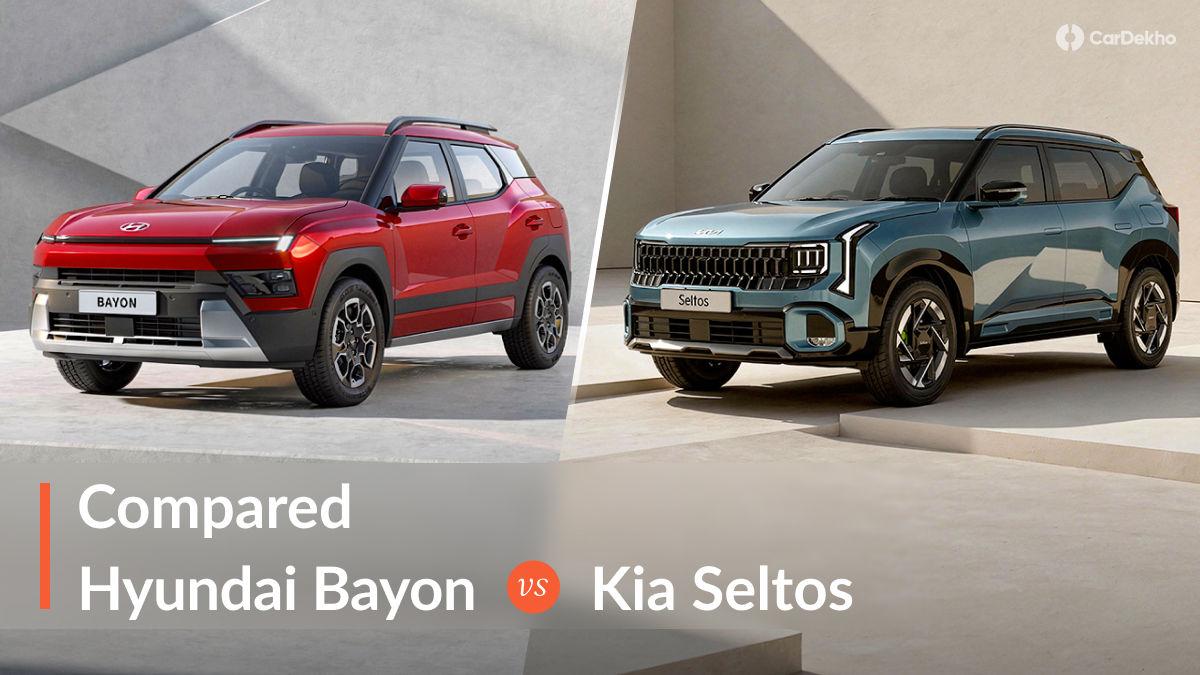
Choosing between two popular South Korean SUVs involves weighing cost against capabilities, as the recently introduced Hyundai Bayon and the established Kia Seltos cater to overlapping segments. The Hyundai Bayon recently entered the Indian market at an ex-showroom price of Rs 9.99 lakh, positioning itself between the Venue and the Creta. While it sits slightly below the Seltos in the overall brand hierarchy, pricing, features, and mechanical elements cross paths between the two models. This analysis reviews how these vehicles stack up against each other in various categories.
Pricing and Variants
Pricing for the Kia Seltos ranges from Rs 11.25 lakh to Rs 21.82 lakh. The Hyundai Bayon serves as the more cost-effective choice, undercutting the entry-level pricing of the Seltos by approximately Rs 1 lakh. As you move toward the top-tier trims, the price gap stretches past Rs 2 lakh, though this comparison is not completely direct because the costliest Seltos variants utilize turbo-petrol or diesel automatic configurations that the Bayon range does not provide. Both compact utility vehicles are offered across a wide array of variant selections.
Dimensions and Exterior Design
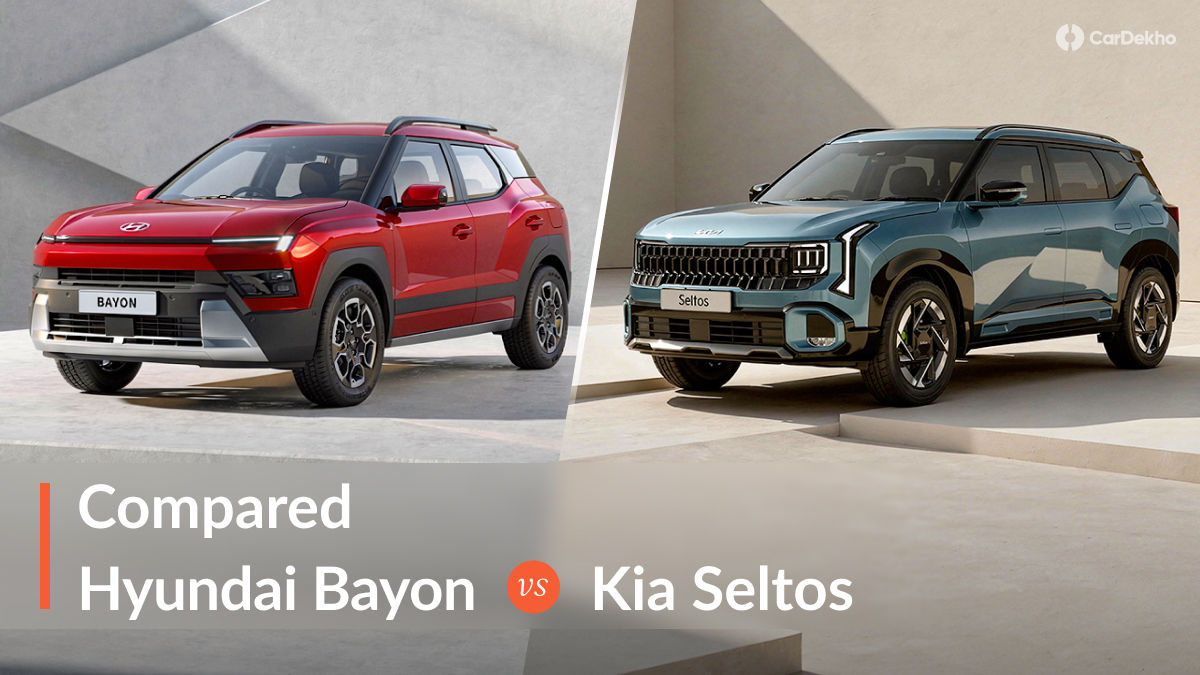
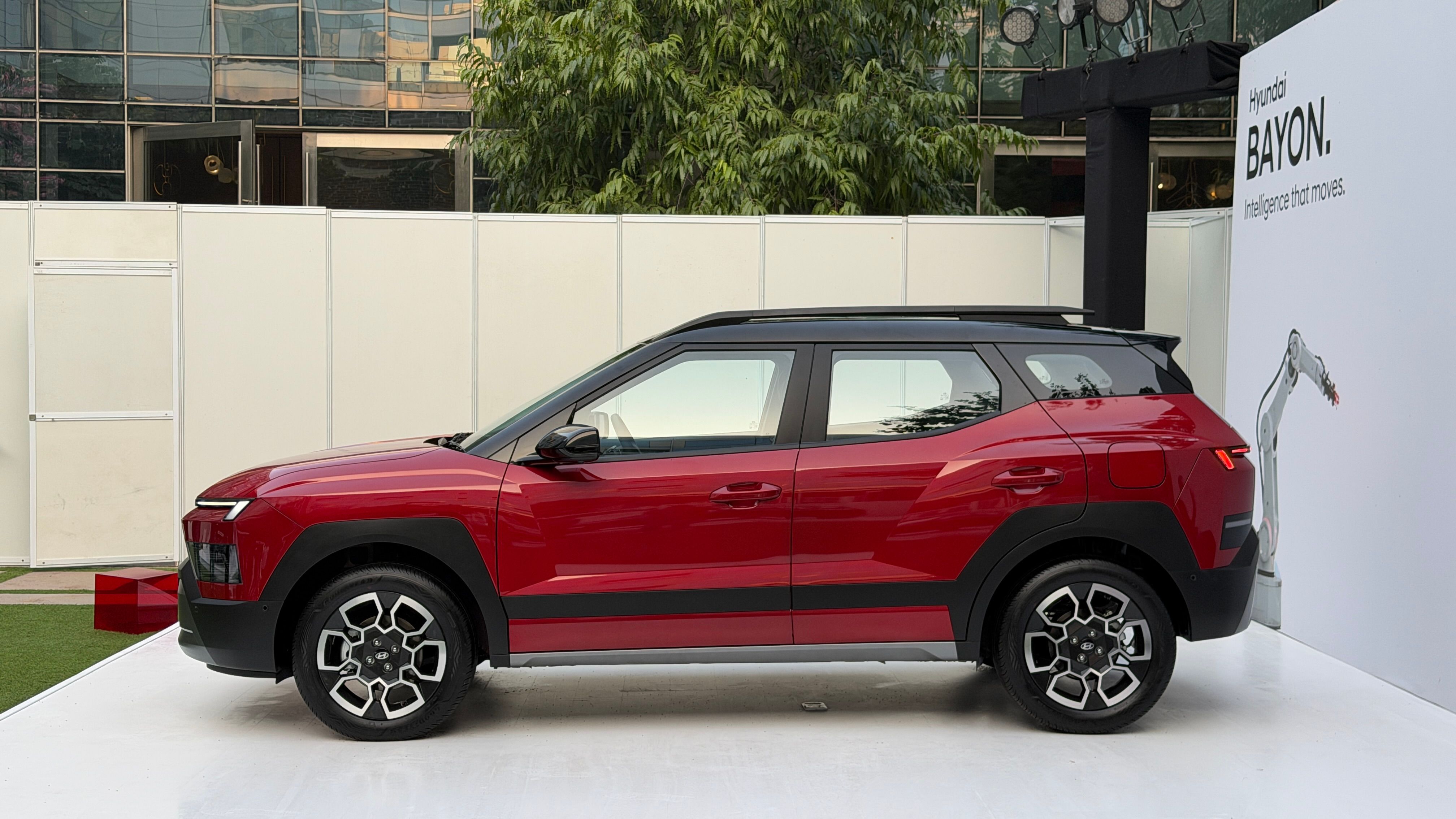
The Seltos exceeds its rival in every physical measurement, particularly regarding overall length and wheelbase, where the expanded distance between the axles creates extra legroom for passengers in the back. Minor variations exist between their widths and heights. In terms of styling, the Seltos adopts a modern, boxy presentation with an upright face and vertical lighting components, whereas the Bayon displays a more compact, softer, and curvier profile.
| Feature / Dimension | Hyundai Bayon | Kia Seltos |
|---|---|---|
| Price Range (Ex-showroom) | Starts at Rs 9.99 lakh | Rs 11.25 lakh to Rs 21.82 lakh |
| Boot Space | 505 litres | 447 litres (approx. 58 litres smaller) |
| Colour Options Count | 6 colours (2 with black roof, 2 matte) | More options with exclusive varieties |
Powertrain and Performance
The Seltos delivers broader mechanical choices, featuring an enthusiast-oriented turbo-petrol engine alongside a diesel motor tailored for buyers with high monthly mileage. For the naturally aspirated petrol configuration, both automobiles employ the same engine along with identical manual and CVT transmission choices. This motor may fit the Bayon more effectively owing to its reduced weight and smaller dimensions. Furthermore, Hyundai has formally verified that a CNG variant for the Bayon will reach showrooms by January 2027.
Interior Amenities and Safety
Cabin appointments on both models include a panoramic sunroof, ventilated front seats, an 8-speaker Bose audio setup, adaptive cruise control, a 360-degree camera, Level-2 ADAS, six airbags, wireless Apple CarPlay and Android Auto, a 12.3-inch semi-digital display, electronic stability control, and a tyre pressure monitoring system. Both utility vehicles feature larger 12.3-inch touchscreens. The Seltos sets itself apart with a 10-way adjustable driver seat, dual-zone climate control, and rear window sunshades, while the Bayon counters with an integrated dashcam.
Verdict for Buyers
The Hyundai Bayon is the recommended choice for motorists seeking a practical engine option, a well-appointed interior, and a newer body design from Korean manufacturing lines while saving money on naturally aspirated petrol trims. Conversely, the Kia Seltos stands out as a more complete offering for those prioritizing additional passenger space, a wider array of features, and high-performance turbo-petrol or diesel powertrains for frequent highway journeys and heavy running.