
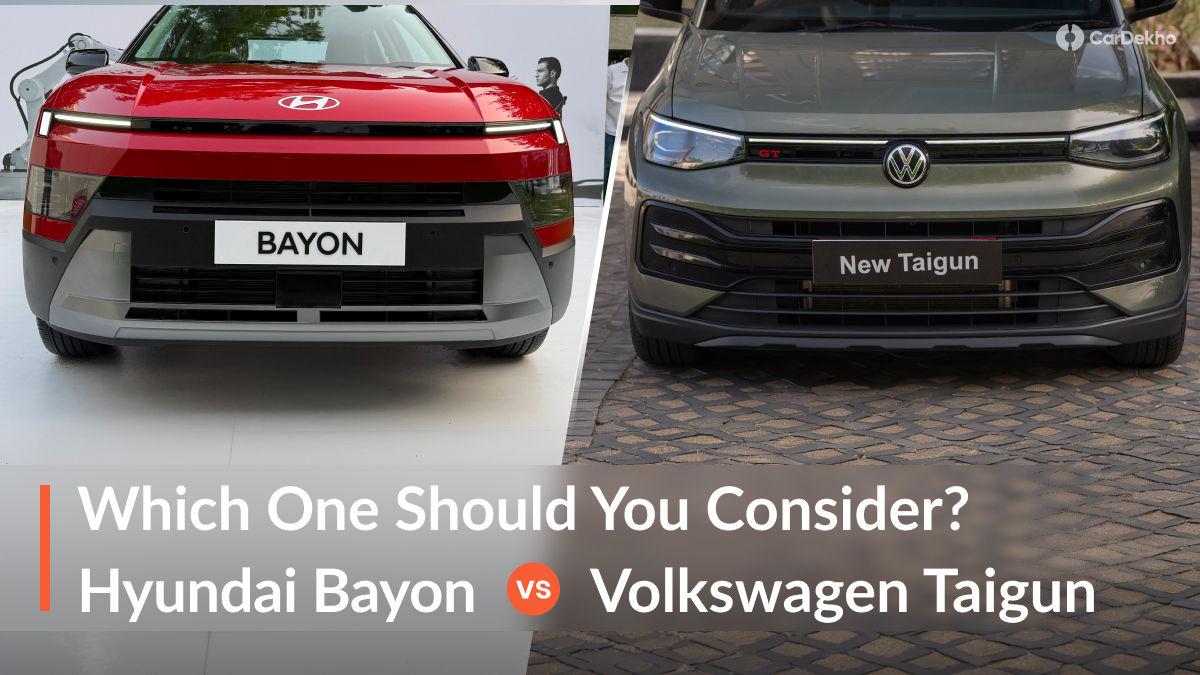
When choosing between a versatile all-rounder and a vehicle designed for enthusiastic driving, buyers often weigh multiple parameters. The introduction of the Hyundai Bayon has captured significant attention in the market, utilizing a proven engine alongside specific features borrowed from the Creta. To determine which model suits consumer needs better, a detailed comparison with the European Volkswagen Taigun highlights key differences in pricing, physical dimensions, color choices, equipment lists, and mechanical performance.
Pricing and Financial Value
In terms of cost, the Hyundai Bayon undercuts its rival by Rs 1 lakh on the base variant, presenting strong value for buyers working within a restricted budget. On the other end of the spectrum, the top-tier Volkswagen Taigun commands a considerably higher price tag than the maximum trim level of the Hyundai offering.
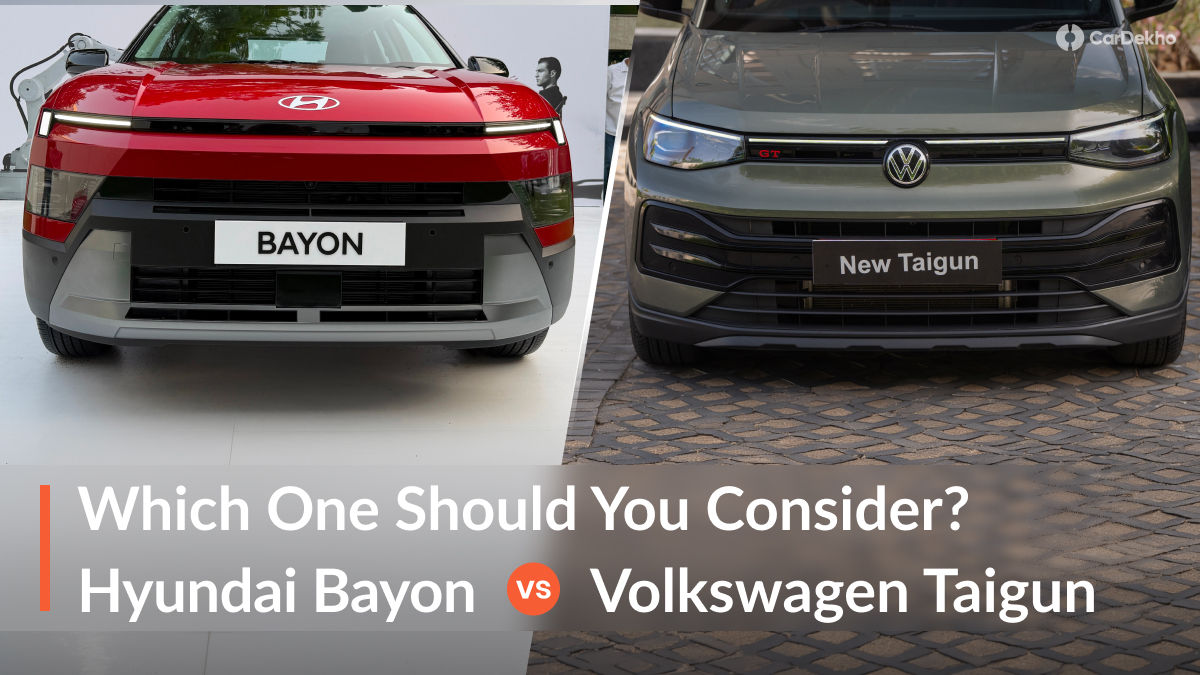
Despite the pricing premium, analysts note that the substantial performance advantage of the German SUV justifies the extra expense for individuals prioritizing driving dynamics. Overall, the Hyundai model positions itself as the more economical alternative while delivering a robust feature set for the money.
Dimensions and Physical Footprint
Measurements reveal distinct physical differences between the two sport utility vehicles. The Hyundai Bayon boasts a slightly greater overall length and a noticeable advantage in width, making it the broader machine.
Conversely, the Volkswagen Taigun edges ahead by being slightly taller and featuring a significantly extended wheelbase. Furthermore, the Hyundai Bayon provides a slightly higher ground clearance measurement when placed side by side with the Taigun.
Color Palettes and Finish Options
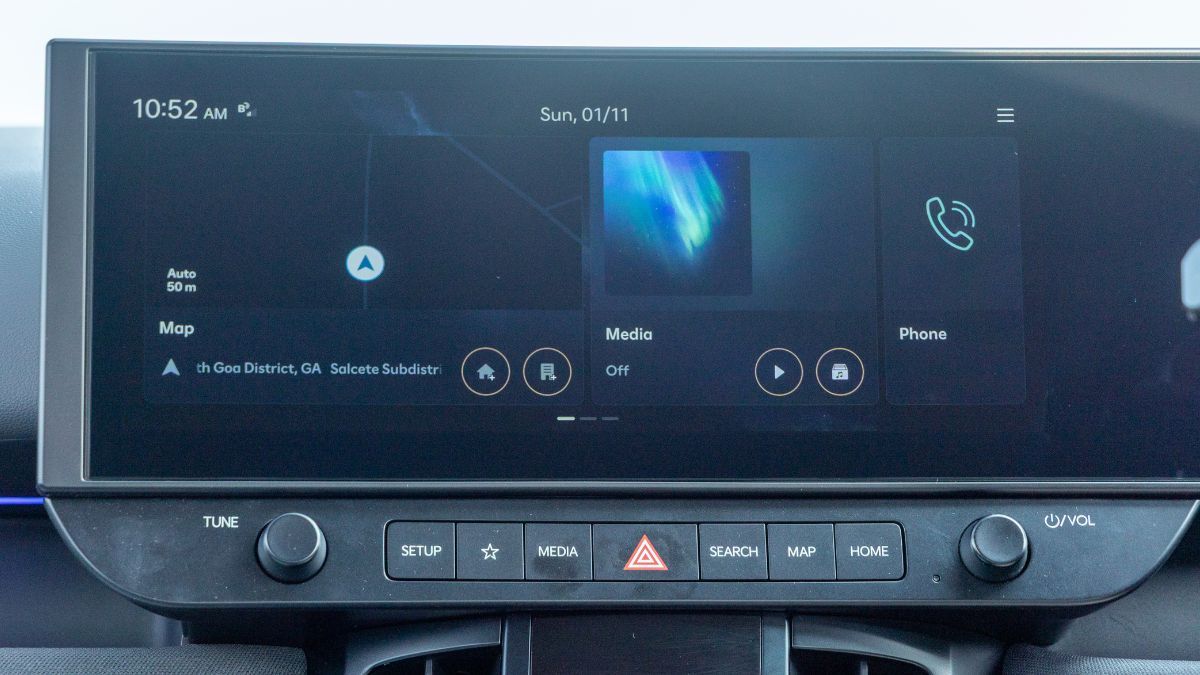
Design customisation varies between the pair, with the Volkswagen Taigun emerging ahead in total hue count by offering 9 distinct paint choices compared to the 8 options provided by the South Korean contender. Dual-tone configurations are available on both models, though the German vehicle leads with 3 dual-tone combinations against 2 for the Bayon.
Matte finishes are accessible on both cars, but the Hyundai Bayon supplies 2 matte paint choices while the Volkswagen Taigun is restricted to just 1.
Interior Features and Safety Equipment
Both competitors come equipped with essential amenities such as LED exterior lighting, leatherette upholstery, ambient cabin illumination, and rear AC vents. Convenience items including ventilated front seats, automatic climate control systems, and wireless smartphone chargers are standard across both lineups, alongside panoramic sunroofs on higher trims and single-pane versions on lower variants.
- Powered driver seat: 8-way adjustable on the Hyundai Bayon; 6-way adjustable for both driver and front passenger on the Volkswagen.
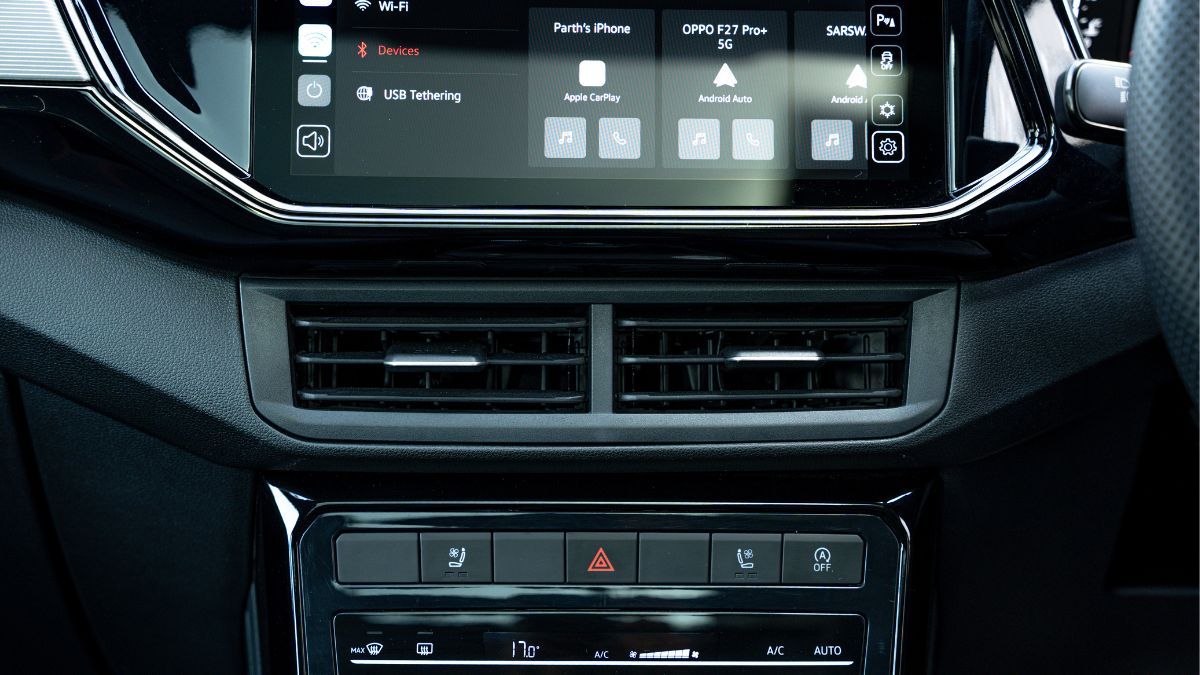
- Infotainment and displays: The Hyundai Bayon houses larger screens for both the central touchscreen and the digital driver cluster.
- Audio system: The Hyundai Bayon features an 8-speaker Bose setup complete with a subwoofer, whereas the Volkswagen Taigun relies on a 6-speaker configuration.
- Safety features: Both include 6 airbags, ISOFIX child seat anchors, electronic stability control, and parking sensors at both ends.
- Advanced aids: The Hyundai Bayon stands out by incorporating Level-2 Advanced Driver Assistance Systems and a 360-degree parking camera, features omitted by the Volkswagen Taigun.
Powertrain and Performance Specifications
Engine offerings differ significantly between the two manufacturers. The Hyundai Bayon utilizes a 1.5-litre naturally aspirated petrol unit configured with 4 cylinders, contrasting with the Volkswagen Taigun's 1-litre turbocharged petrol TSI 3-cylinder motor.
While the 1.5-litre engine in the Bayon and the 1.-litre unit in the Taigun generate comparable power figures, the Hyundai lags behind in torque delivery. Additionally, the Volkswagen Taigun offers a more potent 1.5-litre turbo-petrol engine capable of producing 150 PS and 250 Nm of torque, securing its position as the preferred choice for performance.
Buying Verdict
Choosing between these two models depends entirely on individual consumer priorities. Buyers seeking maximum cost-efficiency, superior cabin display sizes, advanced safety technology like Level-2 ADAS, and a comfortable cruiser will find the Hyundai Bayon to be a compelling proposition. On the other hand, motorists who value superior driving thrills, extensive customisation colors, and high-output engine options will lean toward the Volkswagen Taigun despite its elevated pricing.