
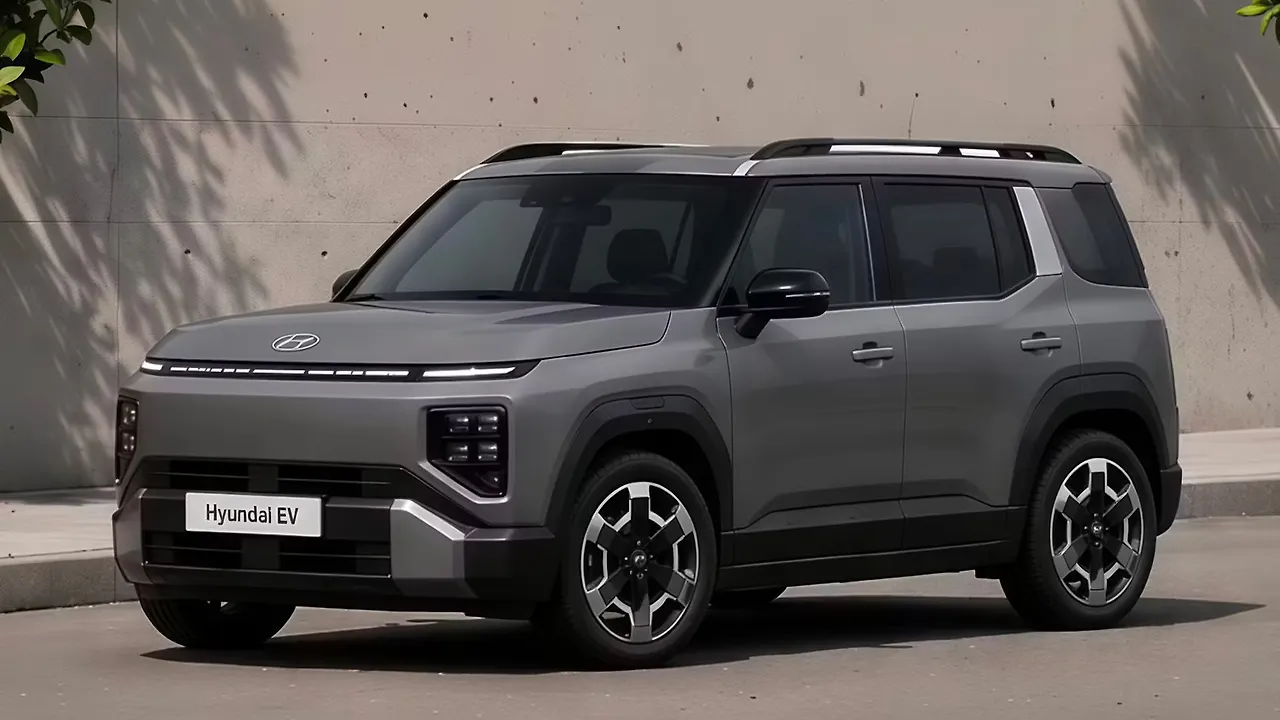
Hyundai Motor Company’s upcoming made-for-India compact electric SUV, which carries the internal codenamed HE1i, is anticipated to use the Ioniq P designation. This choice brings the globally recognized Ioniq nameplate into a more accessible category within the Indian market. Presenting regional product plans during the third-quarter 2026 earnings conference call with analysts on October 29, the leadership stated that the company will launch the Ioniq P in India after the Bayon. Hyundai Motor India has not yet formally confirmed the nomenclature, and the management statements did not directly link the Ioniq P badge to the HE1i program.
Launch Timeline and Sales Strategy
The upcoming vehicle is projected to make its Indian market debut in January 2027, which is later than the end-of-2026 schedule mentioned previously. Leadership noted the rollout will happen in the fourth quarter of FY2027. This introductory vehicle drives Hyundai's ambition to raise its electric vehicle sales share closer to the sector average in FY28. Tarun Garg, managing director of Hyundai Motor India, stated that the brand intends to reach this milestone via a made-for-India mass-market battery-powered automobile. No specific sales target has been revealed for the vehicle.
Sales of electric passenger vehicles in India have grown nearly 90 percent during FY27 so far, increasing the significance of a budget-friendly electric offering within the manufacturer's lineup. This will serve as Hyundai's third electric vehicle offering in India following the Ioniq 5 and the Creta Electric.
Platform and Battery Options
The Ioniq P is anticipated to rest on the E-GMP (K) framework, which is also utilized by the internationally available Inster EV. It is likely to share powertrain components and underpinnings with the Kia Syros EV. Reports differ on exact battery capacities, pointing to either standard-range and long-range variations or specific 42kWh and 51.4kWh battery packs paired with a 133bhp and 255Nm motor, featuring claimed ranges of 443km and 526km respectively. For background, the Inster EV provides standard and long-range configurations featuring 42kWh and 49kWh batteries, delivering a claimed range reaching up to 355km on the WLTP cycle.
Initially, the compact electric vehicle will employ imported battery cells. While Hyundai previously arranged to procure locally produced cells through an alliance with Exide Industries, Exide communicated that deliveries under the Hyundai-Kia project will not commence this year. Domestic cell procurement will happen at a subsequent phase. Local cell sourcing remains a key element in managing expenses and lowering reliance on imports as production scales up.
Features and Rivals
The manufacturer previously verified that the new compact electric vehicle will feature a next-generation infotainment system, potentially the Pleos Connect interface found on newer company vehicles, along with Level 2 assisted driving capabilities. The automobile will be assembled at Hyundai's Sriperumbudur facility located in Tamil Nadu.
- Expected debut in January 2027
- Built on the E-GMP (K) platform
- Features next-generation infotainment and Level 2 ADAS
- Manufactured at the Sriperumbudur plant in Tamil Nadu
The model will compete against rivals such as the Tata Nexon EV, Mahindra XUV 3XO EV, Kia Syros EV, alongside upcoming offerings including the Renault Bridger EV, Nissan’s variant of the Bridger EV, and future options from Vinfast, Maruti, and Honda.