
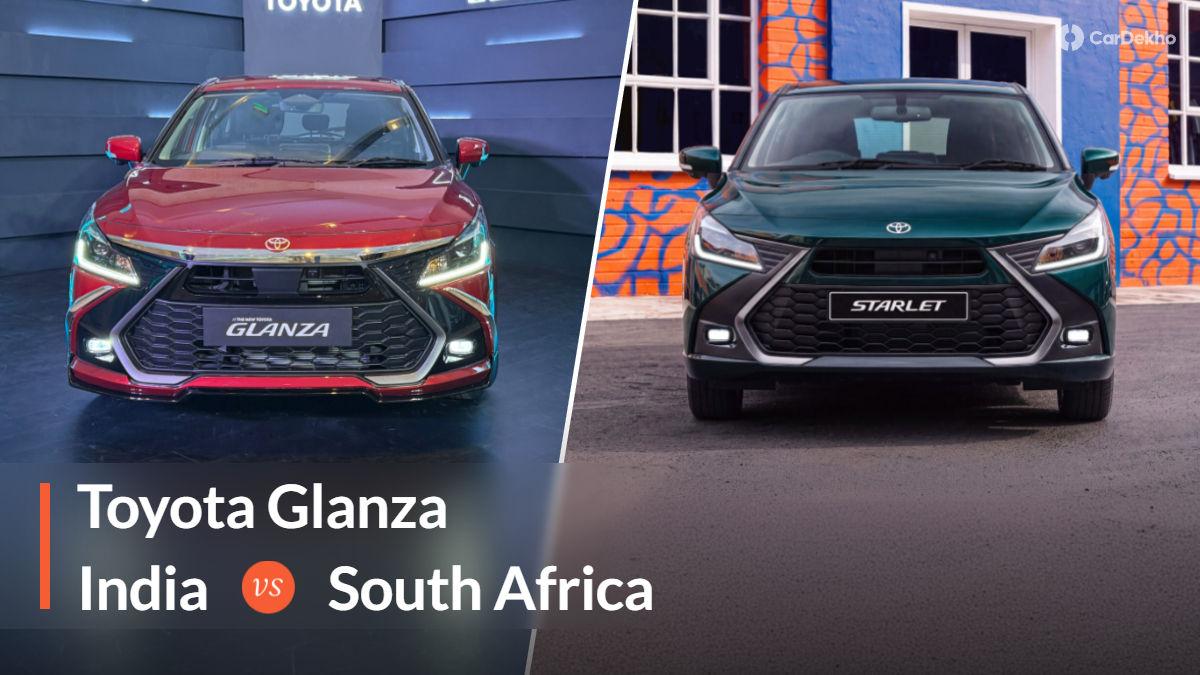
When examining vehicles built in India for global markets, a fascinating study is the recently facelifted Toyota Glanza and its South African sibling, the Toyota Starlet. Both hatchbacks roll off the same production lines domestically, but buyers often wonder if the export versions receive inferior equipment or alternate mechanical setups. A close inspection reveals that while they share a common lineage, distinct regional tastes and regulatory environments have created notable divergences in powerplants and safety kits.
Exterior Styling and Design Variations
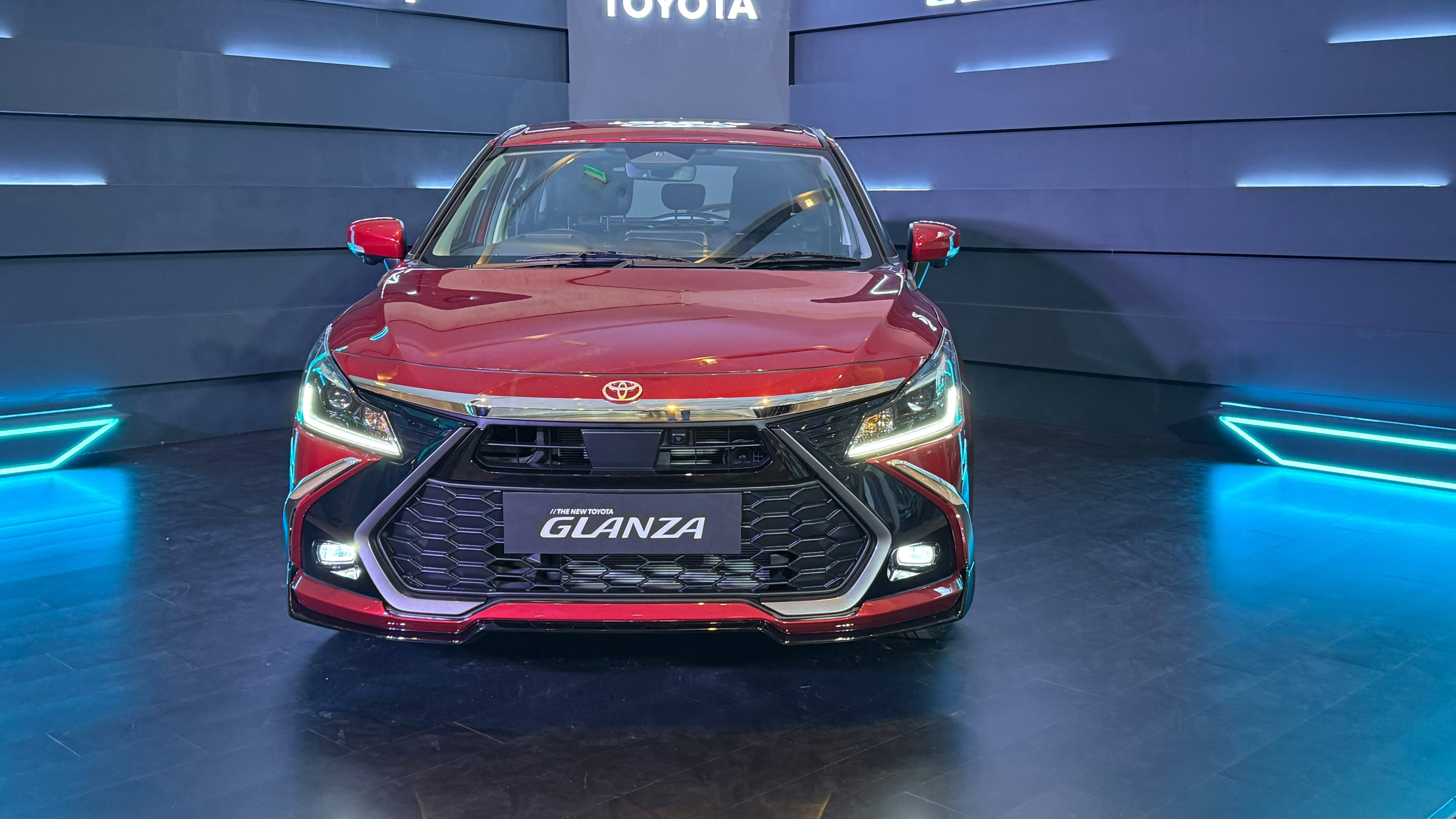
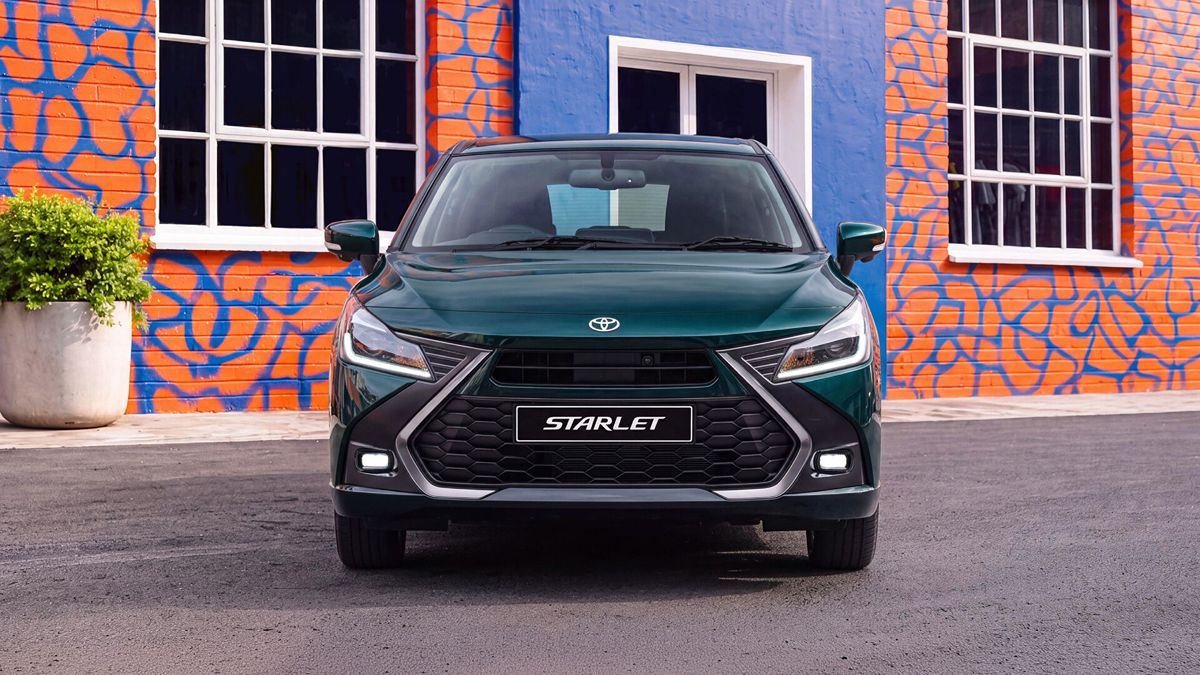
On the outside, the Toyota Glanza and the South African Starlet look nearly identical at first glance. Close observers will notice that the Starlet features fewer chrome embellishments on its fascia, whereas the Glanza boasts extensive chrome surrounds on the grille, bumper corners, and the top of the nose. Keen-eyed viewers will also spot the housing for the advanced driver assistance system radar positioned behind the grille on the Starlet, while the Indian variant mounts its prominent sensor housing directly on the front fascia.
Along the flanks, the vehicles maintain a similar silhouette, though the Indian Glanza sets itself apart with black side skirts that are absent on the Starlet. At the rear, both models are almost indistinguishable except for their respective name badges. The Starlet utilises a complete dotted C-shaped LED tail lamp design, while the Glanza employs a split configuration. Both hatchbacks share a rear bootlid chrome garnish, a parking camera, and rear parking sensors. They also share an identical colour palette, though the paint shades carry different marketing names in each market.
Interior Themes and Equipment List
Stepping inside reveals a shift in cabin aesthetics, tracing back to their Maruti Suzuki Baleno roots. The Glanza utilizes a dual-tone black and beige upholstery theme, whereas the South African Starlet receives a black and blue cabin atmosphere. Both vehicles offer identical spatial accommodation and practicality, providing enough room for a small family to travel comfortably on short journeys.
The feature lists for both hatchbacks are strikingly similar, incorporating several modern conveniences:
- 9-inch touchscreen infotainment display
- Wireless Apple CarPlay and Android Auto connectivity
- 6-speaker audio setup
- Head-up display
- Wireless mobile phone charger
- Automatic climate control
- Keyless entry with push-button engine start
- Cruise control (adaptive on the Indian Glanza model only)
Safety provisions are largely matched across both regions, though the Indian version holds an edge. While both models include 6 airbags, a 360-degree camera, hill-hold control, ABS with EBD, rear parking sensors, and ISOFIX child seat anchorages, only the Toyota Glanza offers Level-2 Advanced Driver Assistance Systems.
Engine Choices and Powertrain Differences
The most substantial divergence between the two hatchbacks lies underneath the bonnet. Constrained by India's sub-4-metre tax regulations, the India-spec Glanza relies on a 1.2-litre naturally aspirated engine paired with either a 5-speed manual or an automated manual transmission, alongside an optional factory-fitted CNG kit. Conversely, the South African Starlet drops the sub-4-metre restrictions and adopts a larger 1.5-litre naturally aspirated four-cylinder petrol motor, which is also used in Indian models like the Rumion and Hyryder, mated to either a 5-speed manual or a 6-speed torque converter automatic gearbox.
| Model | Engine Options | Gearbox Options |
|---|---|---|
| Toyota Glanza (India) | 1.2-litre naturally aspirated petrol / 1.2-litre naturally aspirated petrol + CNG | 5-speed manual, AMT automatic |
| Toyota Starlet (South Africa) | 1.5-litre naturally aspirated petrol | 5-speed manual, 6-speed automatic |
Pricing Structure and Market Positioning
Pricing reflects significant regional discrepancies when comparing the two markets. The domestic Toyota Glanza carries an ex-showroom price tag spanning from Rs 6.99 lakh to Rs 10.98 lakh. Meanwhile, the South African Toyota Starlet retails between 289,000 Rand and 359,000 Rand, which converts roughly to an expansive Rs 15.38 lakh to Rs 19 lakh.
Cross-border vehicle sharing remains a widespread manufacturing strategy, mirroring practices such as exporting the Hyundai Verna as the Accent to the UAE, the Tata Nexon as the Osprey to South Africa, the Honda Elevate as the WR-V to Japan, or the Toyota Innova Hycross as the Innova Zenix to Malaysia. Producing these vehicles in India serves as a cost-effective strategy for automakers, though regional regulations and consumer preferences necessitate customized mechanical configurations and equipment suites.