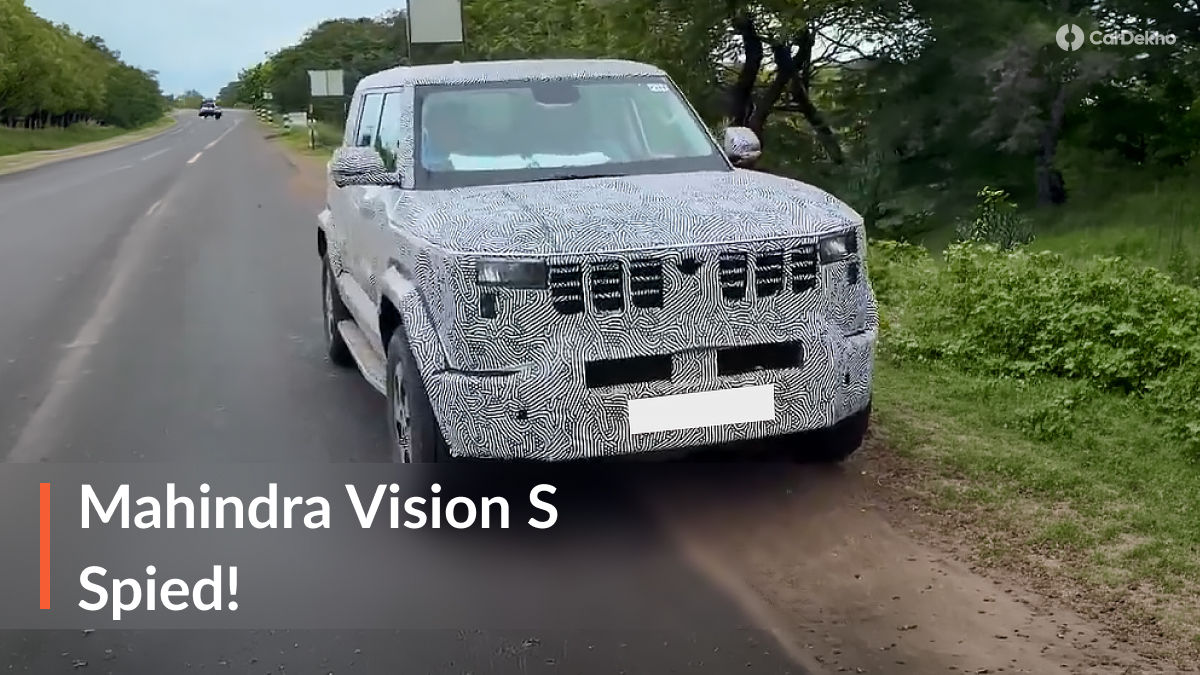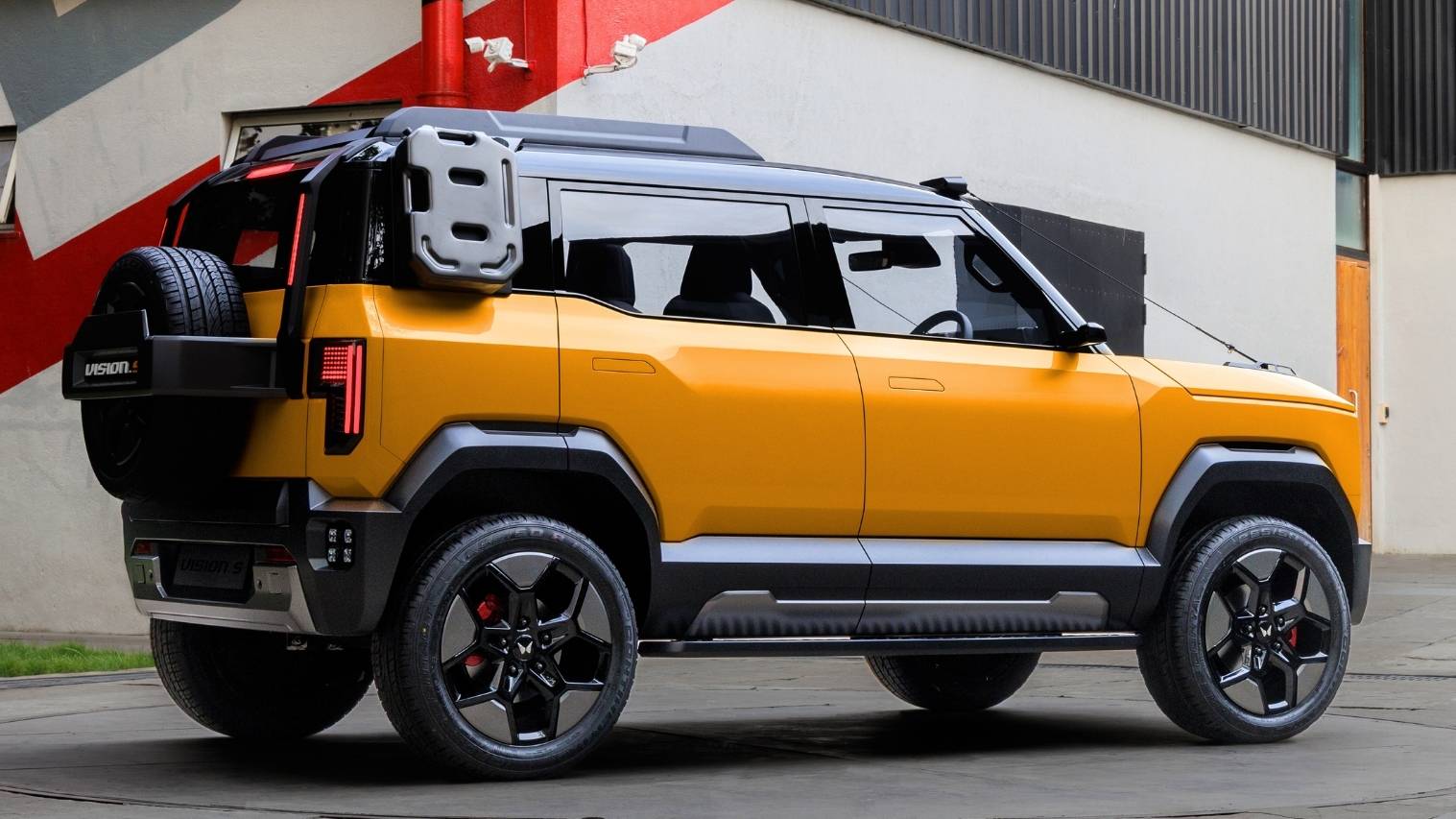
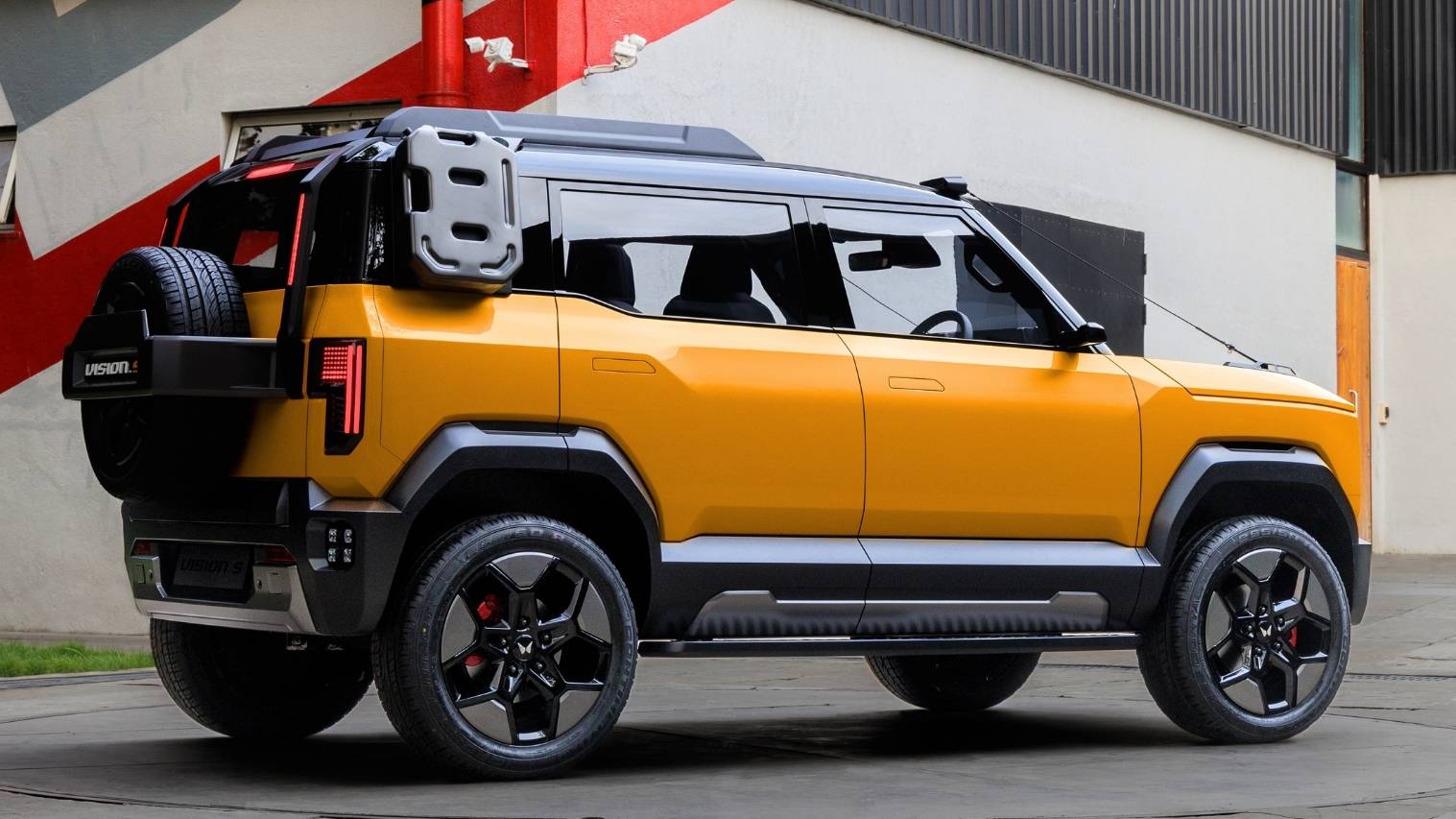
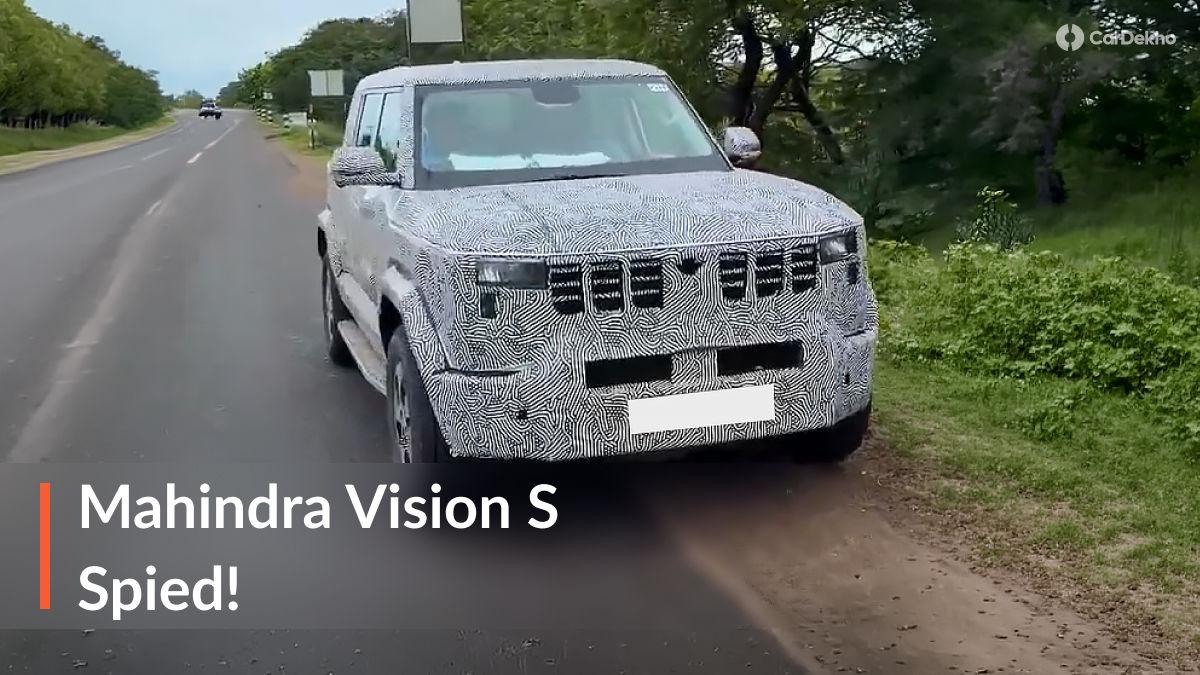
Mahindra is scheduled to bring its upcoming sub-four-metre SUV to market in 2027, as test mules continue extensive road and high-altitude evaluations across India. The vehicle's underlying architecture is the new NU_IQ monocoque platform, which was previewed alongside concepts like the Vision T, Vision SXT, and Vision X on August 15, 2025. Following a secured design patent, developmental prototypes have retained the concept's boxy stance, upright proportions, and short overhangs. Reports differ on whether adventure-focused concept features like roof-mounted auxiliary lamps, a roof ladder, and a jerry can holder will reach production.
Exterior Design and Spied Styling Elements
Recent spy shots reveal that the production model maintains a close resemblance to the original showcase vehicle. The front end incorporates a six-slat grille (noted by some sources as horizontal slats), L-shaped LED lighting, projector headlamps, and a robust front bumper. The side profile highlights prominent wheel arch cladding, side steps, and ORVMs equipped with cameras that suggest a 360-degree camera setup might be included. Flush-fitting door handles, dual-tone alloy wheels, and short overhangs complete the side exterior. At the rear, vertically arranged LED tail lamps are linked across the tailgate, accompanied by an externally mounted full-size spare wheel.
Cabin Layout, Features, and Dashboard
Interior spyshots indicate a layout heavily inspired by the initial concept. Dual screens measuring roughly 10.25 inches each manage the infotainment and instrumentation displays. A three-spoke steering wheel includes integrated controls for the digital instrument cluster and media, while an assist handle to aid cabin entry is borrowed from the Thar OG. Vertical triangular AC vents carry over into the development models. While climate functions are managed via touch-sensitive panels on certain trims, physical controls have been retained for the HVAC system. Additional spied elements include an electronic parking brake with auto-hold on higher specifications, a manual gearbox with a mechanical handbrake on lower variants, traction control toggles, a headlamp leveller, and front parking sensor deactivation buttons.
- Dual 10.25-inch infotainment and instrument displays
- Vertical triangular AC units and touch-sensitive climate controls
- Panoramic glass roof
- Wireless Apple CarPlay and Android Auto
- Dual-zone climate control
- Electronic parking brake with auto-hold
Platform Architecture and Powertrain Options
The NU_IQ monocoque platform has been engineered around low weight, a flat floor, and high safety benchmarks, integrating Mahindra's new NU_UX integrated electronic domain system. The architecture is capable of accommodating front-wheel drive, all-wheel drive, and both right- and left-hand-drive layouts across petrol, diesel, hybrid, and electric propulsion types. Reports link the Vision S powertrains to the XUV 3XO lineup, potentially featuring a 1.2-litre turbo-petrol and a 1.5-litre diesel engine. A diesel-powered prototype has already undergone trials utilizing a six-speed manual transmission, while petrol and electric variants are expected to follow. Despite measuring under four metres in length, the vehicle boasts a confirmed 2,665 mm wheelbase.
Market Position and Competitors
Positioned above the XUV 3XO within the manufacturer's lineup while remaining under four metres long, the Vision S will occupy a distinct space in the segment. Key competitors in the subcompact SUV category comprise the Tata Nexon, Maruti Suzuki Brezza, Hyundai Venue, Kia Sonet, Kia Syros, and Skoda Kylaq. Due to its retro-cool, rugged aesthetic and off-road-focused design—including potential 4x4 capabilities—it may also serve as an alternative to the Maruti Jimny and Mahindra Thar OG.