
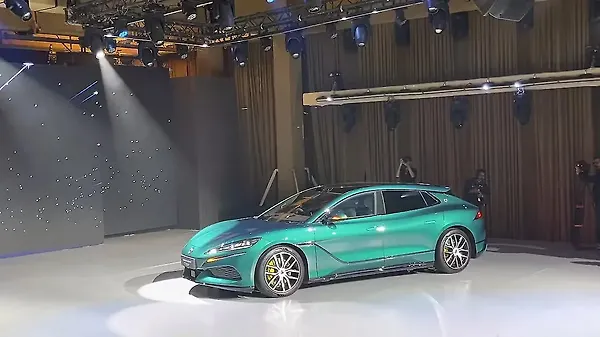
The arrival of Denza in the Indian automotive space represents a fascinating development, specifically when examining the initial two offerings brought to the country. The D9 and the Z9 GT create an impactful initial impression, delivering high standards of sophistication, quality, and technology. Nevertheless, despite the vehicles themselves meeting many correct criteria, persuading domestic consumers to invest between Rs. 90 lakh and Rs. 1.56 crore in a largely unfamiliar high-end nameplate presents a significant hurdle.
The D9 model, carrying an ex-showroom price tag of Rs. 90 lakh, presents a particularly compelling argument for prospective purchasers. The degree of comfort, space, and technological features provided is notable. When measured against the MG M9, which serves as its closest competitor domestically, the D9 delivers a slightly more refined execution regarding fit and finish. While the competing M9 holds a slight edge in physical dimensions, the D9 aligns more closely with the Mercedes-Benz V-Class and Toyota Vellfire in terms of high-end appeal. Its equipment suite and Blade Battery technology further bolster its overall market position.
Conversely, the Z9 GT represents an entirely distinct category of vehicle. Its shooting brake configuration allows it to stand out visually, while the interior craftsmanship, styling, and attention to detail remain strikingly high. Furthermore, the level of technology integrated into the vehicle, encompassing advanced chassis systems, rear-wheel steering, and unusual manoeuvring capabilities, is rarely encountered within this automotive category.
Pricing and Market Positioning of Denza Models
However, carrying an ex-showroom price of Rs. 1.57 crore, the Z9 GT appears slightly costly. An entry point closer to the Rs. 1.2 crore to Rs. 1.3 crore bracket would have rendered it a substantially more compelling proposition. A definitive verdict must wait until a driving evaluation is conducted, but the current pricing structure complicates the purchasing decision for consumers.
This situation highlights Denza's primary obstacle in India: brand perception. Constructing a luxury automobile is distinct from establishing a luxury automotive marque. Domestic purchasers spending figures exceeding Rs. 1 crore evaluate more than just specifications and features. Resale value, long-term ownership confidence, brand image, after-sales service, and reliability carry equal weight. Traditional luxury nameplates have spent decades forging their identities locally, and Denza cannot anticipate that its global achievements or the technical expertise of BYD will instantly translate into equivalent local acceptance.
| Model | Price (Ex-Showroom) | Body Style |
|---|---|---|
| Denza D9 | Rs. 90 lakh | MPV |
| Denza Z9 GT | Rs. 1.57 crore | Shooting Brake |
Retail Strategy and Dealership Presence
To its credit, the manufacturer appears to be commencing operations with a targeted retail approach. The company has confirmed a dedicated showroom presence spanning six primary markets: Bengaluru, Mumbai, Ahmedabad, Gurugram, Hyderabad, and Chennai. Initiating operations within major urban centers aligns logically for a marque positioned in this financial tier. Rather than rushing into a nationwide rollout, the business can focus on cultivating a robust consumer experience in these regions prior to gradually broadening its geographic reach.
Yet, the more demanding objective will involve promotional efforts. Both Denza and BYD must promote these offerings in a strategic, consistent, and aggressive manner. A continuous initiative is required to instruct buyers concerning the integrated technology, highlight the unique attributes of the cars, and justify why they merit consideration alongside traditional high-end marques. These are exceptional vehicles, and their promotional strategy must reflect that distinction.
Ownership Experience and Long-Term Prospects
Naturally, promotional campaigns alone will prove insufficient. A robust service and dealership network, warranty assistance, spare parts availability, and a dependable ownership journey will remain equally critical factors. More importantly, the company must reach the appropriate demographic of purchasers. It needs to engage with clients prepared to look beyond conventional luxury emblems and appreciate the intrinsic value these automobiles offer. Conveying the correct value proposition and fostering aspiration for the nameplate will be imperative.
Denza has executed a promising entry. The D9 and Z9 GT illustrate the extensive progress made by Chinese manufacturers in engineering, technology, and quality. These offerings possess the capability to rival established international luxury nameplates rather than being perceived merely as regional alternatives. Ultimately, the company possesses the vehicle lineup required to contend with the finest in the industry. The remaining task is to construct a marque capable of commanding equal prestige.