Introduction
Ventilated seats have transitioned from luxury indulgence to practical necessity for Indian car buyers facing scorching summer temperatures. These climate-controlled seats use built-in fans to circulate air through perforated leather upholstery, dramatically improving comfort during hot weather. Unlike heated seats that add warmth, ventilated seats actively cool occupants, preventing the sweaty, uncomfortable experience of sitting on hot leather or fabric during Indian summers where temperatures routinely exceed 40°C.
The technology has democratized significantly, with ventilated seats now available across price segments from premium hatchbacks to luxury sedans and SUVs. This comprehensive guide explores the best cars offering ventilated seats in India across various budgets, explaining how the technology works, comparing offerings, and helping you choose vehicles that keep you cool and comfortable regardless of outside temperatures.
Understanding Ventilated Seat Technology
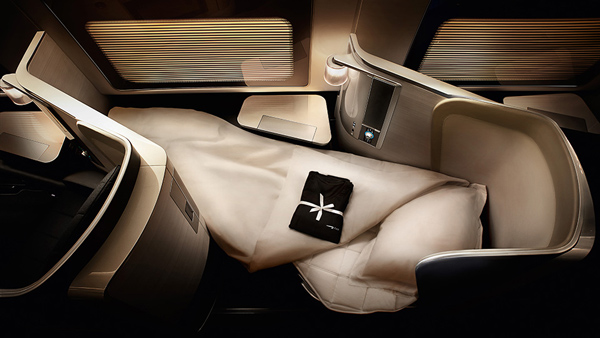
How Ventilated Seats Work: Ventilated seats incorporate small fans within the seat cushions and backrests. These fans draw air through perforated leather or specially designed fabric, creating airflow across the seat surface. The circulating air prevents heat and moisture buildup between your body and the seat, maintaining comfortable, dry seating even during extended drives in hot conditions.
Some systems offer multiple fan speed settings, allowing adjustment based on personal preference and ambient temperature. The perforated leather isn’t just functional – it adds premium aesthetic appeal. The perforation pattern varies by manufacturer, with some creating intricate designs that enhance visual appeal while maintaining airflow efficiency.
Advanced systems integrate ventilation with cooling elements, using thermoelectric devices that actually cool the air before circulation. These are rarer and typically found in ultra-luxury vehicles. Most mainstream implementations rely on airflow alone, which proves surprisingly effective at preventing discomfort without active cooling.
Benefits Beyond Cooling: Ventilated seats reduce driver fatigue during long drives by maintaining comfort. They prevent sweating and the associated discomfort that distracts from focused driving. For those with back problems, the improved air circulation can reduce pressure points and discomfort. The feature significantly enhances perceived vehicle quality and premium feel, adding to ownership satisfaction beyond pure functionality.
Premium Sedans with Ventilated Seats (₹15-30 Lakhs)

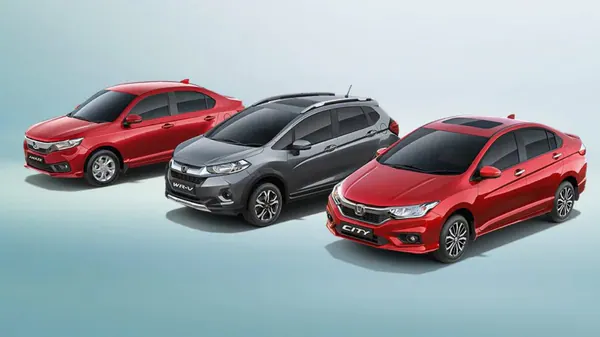
Honda City (₹15-18 Lakhs – Top Variants): The segment-leading City offers ventilated front seats in its top ZX variant. Honda’s implementation includes multiple speed settings for adjustable comfort. The feature pairs with the City’s already excellent air conditioning, creating a comprehensively cooled cabin environment. The perforated leather seats look premium while delivering functional cooling during hot days.
The City’s reliable reputation, refined engines, and spacious interiors make it an excellent sedan choice. Ventilated seats enhance the premium positioning, justifying the investment in top variants. For buyers prioritizing rear passenger comfort, note that ventilation is limited to front seats only – a common limitation across this segment.

Hyundai Verna (₹15-19 Lakhs – Top Variants): The Verna brings ventilated seats to its SX(O) and higher trims. Hyundai’s climate control expertise translates to effective seat ventilation integrated seamlessly with cabin climate systems. The feature complements the Verna’s comprehensive equipment list including panoramic sunroof, premium audio, and advanced safety features.
The Verna’s modern design, feature-rich interiors, and refined powertrains make it a strong contender. Ventilated seats add to the premium experience, particularly appreciated during summer months. The sporty character and handling balance practicality with driving enjoyment, appealing to enthusiast-minded sedan buyers.

Skoda Slavia and Volkswagen Virtus (₹16-20 Lakhs – Top Variants): These platform-sharing European sedans offer ventilated front seats in their top variants. The build quality and material richness exceed Japanese competitors, creating distinctly premium cabin ambiances. The ventilation system is effective, though the perforated leather might require more maintenance than smooth leather.
Both vehicles offer powerful turbocharged engines and solid German engineering. The ventilated seats enhance the premium experience these brands target. For buyers valuing European build quality and driving dynamics with practical cooling comfort, these sedans represent compelling choices despite marginally higher pricing than competitors.
Compact SUVs with Ventilated Seats (₹15-25 Lakhs)

Hyundai Creta (₹18-20 Lakhs – Top Variants): The segment-leading Creta offers ventilated front seats in its top SX(O) variants across both petrol and diesel options. Hyundai’s thorough feature integration ensures the ventilation works efficiently even during peak summer heat. The Creta’s well-designed cabin with quality materials maximizes the premium feel that ventilated seats enhance.
The Creta’s strong market position stems from balanced capabilities – good looks, comprehensive features, reliable mechanicals, and strong after-sales support. Ventilated seats in top variants justify premium pricing for buyers frequently driving in hot conditions. The feature has become expected in this segment’s premium offerings.

Kia Seltos (₹17-21 Lakhs – Top Variants): The Seltos mirrors its platform-mate Creta’s ventilated seat offerings in GTX and GTX+ variants. Kia’s bold styling and feature richness appeal to younger buyers. The ventilation system matches Hyundai’s effectiveness while the distinctive design creates differentiation for those wanting to stand out.
The Seltos offers slightly sportier character compared to Creta’s refined approach. Ventilated seats complement the premium interior execution. For buyers prioritizing distinctive styling alongside practical comfort features, the Seltos represents an excellent choice with the Korean reliability and service network backing.
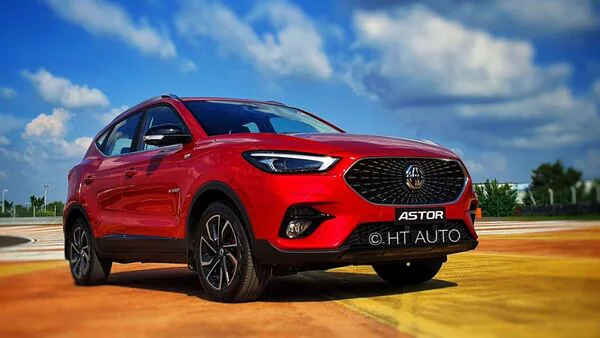
MG Astor (₹18-22 Lakhs – Top Variants): MG brings ventilated seats to the compact SUV segment with comprehensive technology integration. The Astor’s focus on connectivity and advanced features includes effective seat ventilation in top Sharp variants. The AI assistant and Level 2 ADAS make it one of the most tech-forward options.
While MG’s long-term reliability remains to be fully proven, the comprehensive warranty and growing service network provide confidence. Ventilated seats combined with autonomous climate control and premium interiors create a luxurious environment. Technology enthusiasts appreciate the Astor’s forward-thinking feature set.
Mid-Size and Premium SUVs (₹20-40 Lakhs)
Mahindra XUV700 (₹20-26 Lakhs – Top Variants): The XUV700 offers ventilated seats in its AX7 and AX7L variants, bringing this premium feature to competitive pricing. Mahindra’s comprehensive feature list includes Level 2 ADAS, panoramic sunroof, and premium audio, creating a well-rounded premium package. The ventilation effectiveness impresses, working efficiently even under harsh conditions.
The XUV700’s strong engines, spacious interiors, and value proposition make it popular. Ventilated seats enhance the premium positioning while keeping prices competitive compared to rivals. For large families wanting space, features, and comfort within reasonable budgets, the XUV700 excels.
Tata Safari (₹22-26 Lakhs – Top Variants): The Safari brings ventilated seats to its top Adventure and Adventure+ variants. Tata’s focus on safety and build quality pairs well with comfort features like seat ventilation. The spacious three-row seating benefits from effective climate control including ventilated front seats keeping drivers and front passengers comfortable during long family journeys.
The Safari’s distinctive design and strong road presence appeal to buyers wanting SUV character. The ventilated seats enhance the premium cabin experience. For families prioritizing safety, space, and modern features with effective cooling, the Safari delivers comprehensively.
Hyundai Tucson (₹30-36 Lakhs): The Tucson brings international SUV sophistication with ventilated and heated front seats standard across variants. The premium positioning shows in material quality, feature richness, and comprehensive comfort equipment. The ventilation system is among the most effective in the segment, rapidly cooling seats even when vehicles have been parked in direct sunlight.
The Tucson’s refined engines, advanced safety features, and premium feel justify the pricing. For buyers wanting established international brand credentials with comprehensive comfort, the Tucson represents solid value despite higher pricing than domestic competitors.
Luxury Sedans and SUVs (₹40 Lakhs+)
Mercedes-Benz C-Class and E-Class: Mercedes offers ventilated and heated seats across its sedan range, often including rear seat ventilation in higher trims. The German luxury brand’s climate comfort systems are industry-leading, with multi-zone climate control, seat ventilation, and ambient lighting creating optimal cabin environments regardless of external conditions.
The build quality, performance, and prestige justify premium pricing. Ventilated seats are expected features at this level rather than differentiators. For buyers seeking established luxury credentials with comprehensive comfort, Mercedes delivers consistently.
BMW 3 Series and 5 Series: BMW’s sports-luxury positioning includes ventilated seats as standard or optional equipment depending on trim and package selection. The effectiveness matches Mercedes while the sportier character appeals to driving enthusiasts. The integration with BMW’s comprehensive cabin technology creates holistic premium experiences.
Audi A4 and Q5: Audi’s offerings include ventilated seats with Audi’s trademark attention to detail and quality. The ventilation integrates seamlessly with quattro climate control systems. The tech-forward interiors and Virtual Cockpit displays complement physical comfort features creating modern luxury experiences.
Hatchbacks and Compact Cars
Maruti Suzuki Baleno (₹10-12 Lakhs – Top Alpha Variant): Remarkably, Maruti brings ventilated seats to the premium hatchback segment in the Baleno Alpha variant. This democratizes the feature to more affordable pricing, making it accessible to buyers below ₹12 lakhs. The implementation is simpler than premium vehicles but functionally effective.
The Baleno’s spacious interiors, fuel efficiency, and value positioning gain additional appeal through ventilated seats. For budget-conscious buyers wanting this comfort feature without SUV or sedan investment, the Baleno represents unique value. The strong resale value and low running costs enhance appeal.
Value Comparison Across Segments
Best Value Under ₹15 Lakhs: The Maruti Suzuki Baleno Alpha stands out as the most affordable ventilated seat option, bringing this feature to hatchback pricing. While ventilation is limited to front seats and implementation is basic, the functionality delivers in hot weather making it remarkable value.
Best Mid-Range Value (₹15-25 Lakhs): The Mahindra XUV700 offers comprehensive features including ventilated seats at competitive pricing. The combination of space, features, ADAS, and comfort equipment creates exceptional value in the ₹20-26 lakh range. The Honda City in sedan space represents solid value for traditional sedan buyers.
Premium Segment Leaders (₹25-40 Lakhs): The Hyundai Tucson brings international SUV credentials with comprehensive ventilation and heating across front seats. The premium materials and build quality justify pricing for buyers wanting established brand reputation with thorough comfort features.
Maintenance and Care for Ventilated Seats
Cleaning Perforated Leather: Perforated leather requires more careful maintenance than smooth leather. Dirt and debris can lodge in perforations affecting ventilation effectiveness and appearance. Use soft brushes and vacuum attachments designed for leather during cleaning. Specialized leather cleaners safe for perforated surfaces help maintain appearance without damaging the material or clogging perforation holes.
Regular cleaning every 2-3 months prevents buildup. Avoid harsh chemicals or excessive moisture that might damage leather or penetrate to ventilation mechanisms. Professional detailing services understand perforated leather care requirements and can restore appearance when DIY methods prove insufficient.
Ventilation System Maintenance: The fans and ducts within ventilated seats rarely require maintenance under normal usage. However, ensure no liquid spills penetrate seats reaching electrical components. If ventilation effectiveness decreases, service centers can inspect for blockages or fan failures. Most systems prove reliable throughout vehicle ownership with basic care.
Making Your Decision
Assess Personal Priority: Determine how much value ventilated seats add to your ownership experience. If you live in extremely hot regions, park vehicles in sun regularly, or spend significant time driving during summers, ventilated seats justify prioritization. If you have covered parking, short commutes, or live in moderate climates, this feature becomes a nice-to-have rather than necessity.
Test Before Buying: Ensure you actually test ventilated seat effectiveness during test drives, preferably on hot days. The implementation quality varies between manufacturers. Some systems provide strong, immediately noticeable cooling while others offer subtle improvements. Testing reveals whether the specific implementation meets your expectations.
Consider Variant Economics: Ventilated seats typically appear only in top variants bundled with comprehensive feature packages. Evaluate whether the total variant package justifies pricing or if you’re paying significantly extra primarily for this single feature. Sometimes mid-variants with other essential features but without ventilated seats represent better value depending on priorities.
Conclusion
Ventilated seats have evolved from rare luxury to increasingly common comfort features across Indian automotive segments. The cooling comfort they provide during harsh summer months significantly enhances driving pleasure and reduces fatigue. With options spanning from the affordable Baleno to luxury German sedans, buyers across budgets can now access this technology.
Choose based on your typical driving conditions, budget constraints, and personal comfort priorities. For those frequently facing hot weather, ventilated seats transform summer driving from uncomfortable endurance to pleasant experiences. The feature justifies modest premiums for buyers who’ll genuinely benefit from the cooling comfort throughout ownership.
As Indian summers intensify and buyer expectations evolve, ventilated seats will likely become standard across more segments and variants. Current buyers investing in this feature enjoy immediate comfort benefits while potentially supporting better resale values as the feature becomes more desired. The combination of practical functionality and perceived premium value makes ventilated seats worthwhile considerations for Indian car buyers.
FAQs
Do ventilated seats really make a difference in Indian summers?
Yes, ventilated seats make substantial differences in hot Indian conditions. When temperatures exceed 40°C, standard seats become uncomfortably hot, causing sweating and discomfort especially during longer drives. Ventilated seats actively circulate air preventing heat and moisture buildup, keeping you noticeably cooler and more comfortable. The difference is immediately apparent when sitting in ventilated versus non-ventilated seats on hot days. For drivers in hot regions like Rajasthan, Gujarat, or Central India, or those parking vehicles in direct sun, the cooling benefit significantly improves driving comfort during summer months.
Are ventilated seats available in both front and rear?
Most mainstream vehicles (under ₹30 lakhs) offer ventilated seats only for front passengers. Rear ventilated seats remain exclusive to luxury vehicles above ₹40 lakhs like Mercedes E-Class, BMW 5 Series, or Audi A6. The cost and complexity of extending ventilation to rear seats limits availability. For most buyers, front ventilation suffices as drivers and front passengers benefit most. If rear passenger comfort is crucial and budget allows, luxury segment vehicles provide comprehensive front and rear seat ventilation.
Can ventilated seats be installed aftermarket?
Aftermarket ventilated seat installation is technically possible but not recommended. The complexity of integrating fans, wiring, and controls into existing seats while maintaining safety and aesthetics is significant. Quality aftermarket installations cost ₹30,000-60,000 per seat and might void vehicle warranties. The effectiveness rarely matches factory implementations. If ventilated seats are truly important, choosing vehicles with factory-fitted options proves more satisfactory than aftermarket installations. Alternatively, ventilated seat cushions (portable accessories) cost ₹3,000-8,000 and provide basic cooling without permanent modifications.
How much do ventilated seats increase vehicle cost?
Ventilated seats typically appear in top variants bundled with premium features, making isolated cost difficult to calculate. The variant premium including ventilated seats usually ranges ₹1-2.5 lakhs over base or mid variants. However, this includes multiple additional features like panoramic sunroof, premium audio, advanced safety equipment, and enhanced interior materials. If specifically valuing ventilated seats, estimate ₹30,000-50,000 of the variant premium attributable directly to this feature. For buyers frequently facing hot weather, this premium justifies through daily comfort improvement.
Do ventilated seats consume significant fuel?
Ventilated seats’ power consumption is minimal, having negligible impact on fuel economy. The small fans draw approximately 50-80 watts combined for both front seats – similar to using interior lights or phone chargers. This represents less than 1% of engine power output, making fuel consumption impact immeasurable in real-world driving. Unlike running air conditioning at maximum or opening windows at highway speeds (both significantly affect fuel economy), ventilated seats provide cooling comfort essentially free of fuel penalty. Use them freely without concern about fuel consumption.
Can perforated leather be repaired if damaged?
Perforated leather is slightly more challenging to repair than smooth leather due to perforation patterns, but professional leather repair specialists can address most damage. Small tears, scratches, or color fading can be repaired using specialized techniques. However, extensive damage might require seat recovering which is expensive (₹15,000-40,000 per seat depending on vehicle and leather quality). Preventive care through regular cleaning, conditioning, and avoiding sharp objects helps maintain perforated leather. Quality leather used in ventilated seats is generally durable, with damage primarily resulting from neglect or misuse rather than normal wear.
Are ventilated seats useful during winter or monsoon?
While primarily beneficial during summer, ventilated seats offer advantages year-round. During monsoons, the airflow helps dry damp clothing or moisture from humidity, preventing the clammy feeling in humid conditions. In winter, many ventilated seat systems include heating functions (in premium vehicles), providing warmth. Even without heating, stopping ventilation during cold weather causes no disadvantage – you simply don’t activate the feature. The year-round utility, though primarily summer-focused, means ventilated seats provide value beyond just 3-4 hot months annually. Consider them features that excel in certain conditions without creating disadvantages in others.
Tags: Ventilated Seats Cars India, Cooled Seats, Best Cars 2025, Summer Comfort Cars, Premium Car Features, Ventilated Seats SUV, Sedan Ventilated Seats, Car Cooling Features, Beat Summer Heat, Comfort Features India