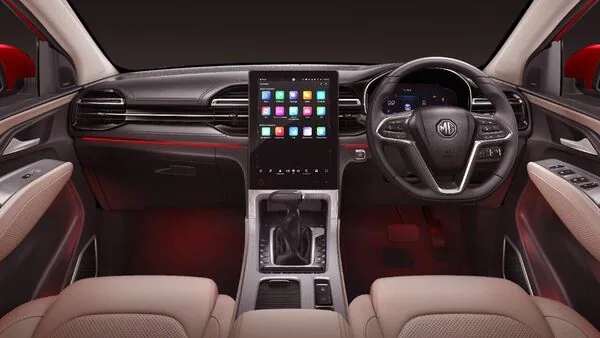
Modern vehicles are equipped with sophisticated monitoring systems that communicate with drivers through an array of dashboard warning lights. These illuminated symbols serve as your car’s way of indicating everything from routine reminders to critical emergencies that require immediate attention. For Indian drivers, who often face diverse driving conditions from congested city traffic to remote highway journeys, understanding these warning lights is not just about vehicle maintenance—it’s crucial for safety and preventing expensive repairs. However, with dozens of possible symbols and varying color codes, many drivers find themselves confused or anxious when an unfamiliar light illuminates.
This comprehensive guide demystifies every common dashboard warning light you’re likely to encounter in modern vehicles available in the Indian market. We’ve organized them by urgency level, explained what each symbol means, identified the potential causes, and provided clear action plans tailored to Indian driving conditions and service infrastructure. Whether you’re a new driver experiencing these warnings for the first time or a seasoned motorist looking to refresh your knowledge, this guide will equip you with the confidence to respond appropriately to your vehicle’s communication attempts, ensuring both your safety and your vehicle’s longevity.
Understanding Warning Light Colors and Urgency Levels
Dashboard warning lights use a color-coded system similar to traffic signals to indicate urgency:
Red Lights: Indicate serious, potentially dangerous problems that require immediate attention. These are “stop now” warnings that shouldn’t be ignored. Examples include engine temperature, oil pressure, and brake system warnings.
Yellow/Orange Lights: Signal that attention is needed soon, but not necessarily immediately. These indicate issues that should be addressed within a few days or at your earliest convenience. Examples include check engine light, tire pressure warnings, and emissions system alerts.
Green/Blue Lights: Simply indicate that a system is active or operating normally. These are informational lights rather than warnings. Examples include headlight high beam indicator, turn signals, and cruise control activation.
White Lights: Typically provide information or reminders rather than indicating problems. Examples include exterior light status indicators or system ready messages.
Critical Red Warning Lights – Immediate Action Required
1. Engine Temperature Warning Light What it looks like: A thermometer floating in waves or a key symbol inside a thermometer What it means: Engine is overheating, which can cause severe damage quickly Possible causes: Low coolant level, coolant leak, faulty thermostat, broken water pump, radiator fan failure Immediate action:
Pull over safely as soon as possible
Turn off the air conditioner and turn on heater to maximum (helps dissipate heat)
Do not open radiator cap when engine is hot
Check coolant level when engine cools down
If coolant is low, top up and visit mechanic
If problem persists, call for assistance
2. Engine Oil Pressure Warning Light What it looks like: Old-fashioned oil can with a drop coming out What it means: Insufficient oil pressure, meaning engine isn’t getting proper lubrication Possible causes: Low oil level, worn oil pump, clogged oil filter, oil leak Immediate action:
Pull over immediately and turn off engine
Check oil level using dipstick
If low, top up with correct grade oil
If oil level is normal, do not drive – call for tow service
Continuing to drive can destroy your engine within minutes
3. Brake System Warning Light What it looks like: Circle with exclamation mark inside, often with parentheses on sides What it means: Problem with braking system Possible causes: Parking brake engaged, low brake fluid, worn brake pads, brake system malfunction Immediate action:
First check if parking brake is fully released
If light remains, check brake fluid level
Test brake pedal feel – if spongy or goes to floor, do not drive
If brakes feel normal but light remains, drive cautiously to nearest mechanic
Never ignore this warning as brake failure is extremely dangerous
4. Battery/Charging System Warning Light What it looks like: Battery symbol with + and – signs What it means: Charging system isn’t working properly, battery isn’t charging Possible causes: Loose battery terminals, faulty alternator, broken serpentine belt Immediate action:
Turn off unnecessary electrical loads (AC, audio system)
Drive directly to nearest mechanic – vehicle will run on battery power only
Distance you can travel depends on battery charge and electrical load
If belt is broken, stop immediately to prevent overheating
5. Power Steering Warning Light What it looks like: Steering wheel with exclamation mark What it means: Problem with power steering system Possible causes: Low power steering fluid, faulty power steering pump, electronic power steering malfunction Immediate action:
Steering will become much heavier but still possible
Drive cautiously at reduced speed to nearest service center
Be prepared for increased steering effort, especially at low speeds
Important Yellow/Orange Warning Lights – Address Soon
6. Check Engine Light What it looks like: Engine outline or “CHECK ENGINE” text What it means: Problem with engine management or emissions system Possible causes: Hundreds of possibilities from loose gas cap to serious engine problems Action required:
If light is steady: Schedule service within a week
If light is flashing: Reduce load and speed, seek immediate service as it indicates severe misfire that can damage catalytic converter
Common Indian scenarios: faulty oxygen sensor, mass airflow sensor issues, spark plug problems
7. Tire Pressure Monitoring System (TPMS) Light What it looks like: Exclamation mark inside a horseshoe-shaped tire What it means: One or more tires significantly underinflated Possible causes: Puncture, slow leak, temperature changes, faulty sensor Action required:
Check and adjust all tire pressures to manufacturer specification
If light remains after inflation, may indicate sensor fault
Important for safety and fuel efficiency in Indian conditions
8. ABS Warning Light What it looks like: Circle with “ABS” inside, parentheses on sides What it means: Problem with Anti-lock Braking System Possible causes: Faulty wheel speed sensor, ABS module problem, low brake fluid Action required:
Conventional brakes still work, but ABS feature disabled
Schedule service within a few days
Drive more cautiously, especially in wet conditions
9. Electronic Stability Control (ESC) Light What it looks like: Car with squiggly lines underneath What it means: ESC system has intervened or is malfunctioning Possible causes: System actively working (flashing), system fault (steady) Action required:
If flashing during driving: System is working to maintain control
If steady: ESC system disabled or faulty – drive more carefully
Common on slippery roads or during aggressive maneuvers
10. Airbag System Warning Light What it looks like: Person sitting with circle (airbag) in front What it means: Problem with airbag system Possible causes: Faulty sensor, clock spring problem, previous accident damage Action required:
Airbags may not deploy in accident
Schedule service soon
Particularly important for family safety
Informational and System Status Lights
11. Washer Fluid Level Warning What it looks like: Windshield with squirt symbol What it means: Low windshield washer fluid Action: Top up with appropriate washer fluid, especially important during monsoon
12. Fuel Level Warning What it looks like: Gas pump symbol What it means: Low fuel level Action: Refuel soon – in India, don’t let tank go below quarter full to avoid sediment issues
13. Door Ajar Warning What it looks like: Car with open door What it means: Door, hood or trunk not properly closed Action: Check all closures before driving
14. Fog Light Indicators What they look like: Headlight symbol with wavy lines in front What they mean: Fog lights are activated Action: Remember to turn off when not needed to avoid blinding other drivers
Electric and Hybrid Vehicle Specific Warnings
15. EV System Warning Light What it looks like: Car with exclamation mark inside What it means: Problem with high-voltage system Action: Pull over safely and contact service immediately – high voltage systems are dangerous to troubleshoot
16. Battery Temperature Warning What it looks like: Battery with thermometer What it means: EV battery overheating Action: Reduce power usage, stop fast charging, seek shade – common in Indian summer conditions
17. Regenerative Braking Warning What it looks like: Battery with arrows indicating charge/discharge What it means: Regenerative braking limited or disabled Action: Usually temporary due to battery temperature or state of charge
Indian-Specific Considerations for Warning Lights
Dust and Sensor Issues: In dusty Indian conditions, sensors particularly for ABS and TPMS can get clogged, causing false warnings. Regular cleaning during service helps.
Fuel Quality Problems: Poor quality fuel in some areas can trigger check engine lights more frequently. Using fuel from reputable stations and occasional fuel system cleaning helps.
Electrical System Challenges: Voltage fluctuations and high temperatures can affect electrical components. Ensuring proper battery maintenance and clean connections reduces false warnings.
Monsoon-Related Warnings: During heavy rains, water ingress can cause various electrical warnings. Parking in covered areas and checking seals regularly is important.
What to Do When Any Warning Light Appears
Step 1: Don’t Panic – Safely pull over if possible and assess the situation
Step 2: Identify the Light – Refer to your owner’s manual or this guide
Step 3: Determine Urgency – Red lights need immediate action, yellow lights need prompt attention
Step 4: Basic Checks – For some lights, simple checks like fluid levels might resolve the issue
Step 5: Plan Your Response – Decide whether to continue driving, seek immediate help, or schedule service
Step 6: Document – Note when the light appeared and under what conditions for your mechanic
Preventive Measures to Avoid Warning Lights
Regular Maintenance: Follow manufacturer’s service schedule precisely Quality Fluids: Use recommended grades of oil, coolant, and other fluids Proper Fuel: Use good quality fuel from reputable stations Electrical Care: Keep battery terminals clean and check charging system regularly Tire Maintenance: Regular pressure checks and rotations Seasonal Preparation: Pre-monsoon and pre-summer checks
When to Seek Professional Help
Immediately: Any red warning light, flashing check engine light Within 24 hours: Steady check engine light, brake system warnings Within a week: Most yellow warning lights, provided vehicle seems to be operating normally At next service: Informational lights or intermittent warnings
Understanding False Warnings
Sometimes warning lights illuminate due to temporary conditions or sensor glitches. If a warning light comes on briefly then turns off, and the vehicle seems normal, it might have been a temporary condition. However, recurrent warnings should always be investigated.
Diagnostic Tools and Professional Help
For persistent or serious warnings, professional diagnosis is essential. Modern service centers use OBD-II scanners to read specific trouble codes that pinpoint the exact problem. Many Indian mechanics now have these tools, making diagnosis faster and more accurate.
Cost Implications of Ignoring Warnings
Ignoring warning lights can turn minor issues into major expenses:
Ignoring temperature light: Engine overhaul (₹30,000-₹1,50,000+)
Ignoring brake warnings: Complete brake system repair (₹10,000-₹50,000+)
Conclusion
Dashboard warning lights are your vehicle’s primary communication method for maintaining health and ensuring safety. By understanding what each light means and responding appropriately, you can prevent minor issues from becoming major problems and ensure your vehicle remains reliable and safe for you and your family. Remember that while some warnings indicate simple maintenance needs, others require immediate attention to prevent damage or ensure safety. When in doubt, always err on the side of caution and consult with a qualified mechanic. Your vehicle’s warning system is one of its most valuable features – learning to understand it is an essential skill for every responsible driver in India.
FAQs
1. What should I do if multiple warning lights come on simultaneously?
Multiple warning lights, especially combination of red lights, indicate a serious problem. Safely pull over immediately, turn off the vehicle, and seek professional assistance. This could indicate electrical system failure or other critical issues.
2. Can I continue driving with the check engine light on?
If the light is steady (not flashing) and the vehicle seems to be running normally, you can typically drive to a service center. However, if the light is flashing, you should reduce speed and load and seek immediate service to prevent catalytic converter damage.
3. How much does it typically cost to fix warning light issues in India?
Costs vary widely: Simple issues like sensor replacement might cost ₹1,000-₹5,000, while major component failures can run into tens of thousands. Diagnostic charges typically range from ₹500-₹2,000 at authorized service centers.
4. Will disconnecting the battery reset warning lights?
While disconnecting the battery may temporarily reset some warning lights, it doesn’t fix the underlying problem. The lights will likely reappear once the system runs its self-check cycle. Proper diagnosis and repair are necessary.
5. Are aftermarket diagnostic tools worth buying for Indian car owners?
Basic OBD-II scanners (₹1,500-₹5,000) can be useful for reading check engine codes and resetting warnings after repairs. However, for accurate diagnosis and other system warnings, professional equipment and expertise are still recommended.
Tags: Car Dashboard Lights, Warning Lights Meaning, Car Warning Symbols, Dashboard Indicators, Check Engine Light, Car Maintenance Guide, Vehicle Warning Lights, Car Safety Indicators, Indian Driving Guide, Car Diagnostic Lights.