
Introduction
Choosing the right family car is one of the most important decisions for Indian households. With a budget of 15 lakh rupees, you have access to an excellent range of vehicles that balance space, safety, comfort, and running costs. This price segment has become incredibly competitive, with manufacturers offering feature-rich cars that were considered premium just a few years ago.
The challenge lies not in finding options but in selecting the perfect vehicle that meets your family’s unique needs. Should you prioritize a spacious SUV for weekend trips, a fuel-efficient sedan for daily commutes, or a versatile hatchback that’s easy to maneuver? This comprehensive guide walks you through every consideration, helping you make an informed decision that your family will appreciate for years to come.
Understanding Your Family’s Specific Needs
Before exploring specific models, take time to honestly assess your family’s requirements. The perfect car for a young couple planning to expand their family differs significantly from what a household with teenage children needs. Consider how many people regularly travel in your car and whether you frequently have additional passengers like aging parents or extended family members.
Your typical usage patterns matter enormously. Families primarily using the car for school runs, grocery shopping, and occasional weekend outings have different needs than those regularly undertaking long highway trips to visit relatives or vacation destinations. Urban families dealing with congested traffic and tight parking situations might prioritize compact dimensions and easy maneuverability, while those in suburban or rural areas might value ground clearance and robust build quality.
Think about your family’s growth trajectory over the next five to seven years. Children grow quickly, and their space requirements increase dramatically. A car that feels spacious for toddlers might become cramped as they become teenagers with sports equipment and school bags. Similarly, if you’re planning to expand your family, ensure your choice accommodates future needs without requiring an upgrade too soon.
Space and Seating Comfort: The Foundation of Family Cars
Interior space ranks among the top priorities for family cars. Adequate legroom, headroom, and shoulder room ensure comfortable journeys for all passengers. In the under 15 lakh segment, you’ll find significant variations in interior space even among similarly sized vehicles. Some manufacturers prioritize wheelbase length, creating generous rear legroom, while others focus on vertical space for better headroom.
Rear seat comfort deserves special attention since children and elderly family members typically occupy these seats. Look for well-cushioned seats with good thigh support, adequate recline adjustment, and proper headrests. Rear AC vents are no longer luxury features but necessities for Indian climate conditions, ensuring backseat passengers remain comfortable during summers. Additional features like rear armrests, cup holders, and charging ports enhance comfort for longer journeys.
Boot space often gets overlooked until you’re struggling to fit luggage for a family vacation. Modern family cars in this segment typically offer 350-500 liters of boot capacity. Consider whether the rear seats fold to accommodate larger items like furniture or sports equipment. The ease of loading luggage matters too – a lower boot loading height makes it easier for everyone, including elderly family members, to handle baggage.
Safety Features That Matter for Indian Families
Safety should never be compromised when choosing a family car. Fortunately, the under 15 lakh segment now offers comprehensive safety features that were once exclusive to premium vehicles. Bharat NCAP ratings have become increasingly important, providing standardized safety assessments specifically for Indian conditions. Prioritize cars with four or five-star Bharat NCAP ratings, indicating robust structural integrity and effective crash protection.
Airbags have evolved from being single or dual to six airbags becoming standard in many models. While frontal airbags protect in head-on collisions, side and curtain airbags provide crucial protection in side impacts, which are common in Indian traffic conditions. Some manufacturers now offer six airbags even in base variants, democratizing safety features across price points.
Electronic safety aids significantly enhance accident prevention. Anti-lock Braking System (ABS) with Electronic Brake-force Distribution (EBD) should be non-negotiable, preventing wheel lockup during emergency braking. Electronic Stability Program (ESP) helps maintain vehicle control during sudden maneuvers or slippery conditions. Advanced Driver Assistance Systems (ADAS), increasingly available in this segment, include features like automatic emergency braking, lane departure warning, and adaptive cruise control, providing additional safety margins.
Fuel Efficiency and Running Costs
For most families, running costs significantly impact the total cost of ownership. Fuel efficiency directly affects your monthly budget, especially if you have long daily commutes. Petrol engines in this segment typically deliver 15-20 kilometers per liter in real-world mixed driving conditions, while diesel engines offer 18-25 kilometers per liter. However, diesel cars command higher purchase prices and have increased maintenance costs.
CNG options have gained popularity for cost-conscious families, offering running costs approximately half of petrol vehicles. Modern factory-fitted CNG systems provide reliable performance without significantly compromising boot space. However, CNG vehicles typically produce less power and acceleration compared to their petrol counterparts. If your driving primarily involves city commutes with occasional highway trips, CNG represents excellent value.
Consider total running costs beyond just fuel consumption. Insurance premiums, regular service costs, spare parts availability, and resale value all contribute to long-term expenses. Established manufacturers with extensive service networks typically offer better value through competitive service costs and widespread parts availability. Luxury or niche brands might have higher service costs and limited service center access, especially in smaller cities.
Reliability and After-Sales Service
Reliability becomes paramount when a vehicle serves as your family’s primary transportation. You need confidence that your car will start every morning, won’t leave you stranded during important trips, and won’t require frequent repairs. Established manufacturers with decades of presence in India typically offer proven reliability, backed by extensive real-world testing in Indian conditions.
Research owner experiences and reliability reports before deciding. Online forums, owner communities, and automobile publications provide valuable insights into common issues, long-term durability, and manufacturer responsiveness to problems. Pay attention to warranty coverage – comprehensive warranties of three years or 100,000 kilometers provide peace of mind, while extended warranty options offer additional protection.
After-sales service network density matters significantly, especially if you live outside major metros or travel frequently. A manufacturer with service centers in most cities ensures you’re never far from professional assistance. Service quality varies considerably between brands, affecting your ownership experience. Convenient service appointment scheduling, transparent pricing, and professional customer interaction make maintenance less stressful. Some manufacturers now offer doorstep service, mobile service vans, and online service booking, enhancing convenience.
Technology and Convenience Features
Modern family cars in the under 15 lakh segment pack impressive technology that enhances convenience, entertainment, and connectivity. Touchscreen infotainment systems with smartphone integration through Android Auto and Apple CarPlay have become standard, allowing seamless access to navigation, music, and communication apps. Larger screen sizes of 8-10 inches provide better visibility and easier operation.
Connected car technology, once exclusive to premium vehicles, now features in many mainstream models. These systems enable remote vehicle monitoring, location tracking, geofencing for teenage drivers, and emergency assistance. Over-the-air updates keep software current without service center visits. Smartphone apps allow remote operations like climate pre-conditioning, significantly enhancing convenience.
Comfort features like automatic climate control, keyless entry, push-button start, and electrically adjustable mirrors add daily convenience. Rear parking sensors and cameras, increasingly common in this segment, simplify parking in tight spaces. Some models offer 360-degree cameras, providing comprehensive visibility. Cruise control makes highway driving less fatiguing, especially during long family trips.
Top Family Car Recommendations Under 15 Lakhs
SUV Options: The Hyundai Creta and Kia Seltos dominate this space with excellent build quality, comprehensive features, and strong after-sales support. The Maruti Grand Vitara and Toyota Hyryder offer hybrid technology for exceptional fuel efficiency. Tata Nexon provides solid build, good safety ratings, and competitive pricing. For those seeking space, the Maruti Ertiga and XL6 offer three-row seating in a compact package.
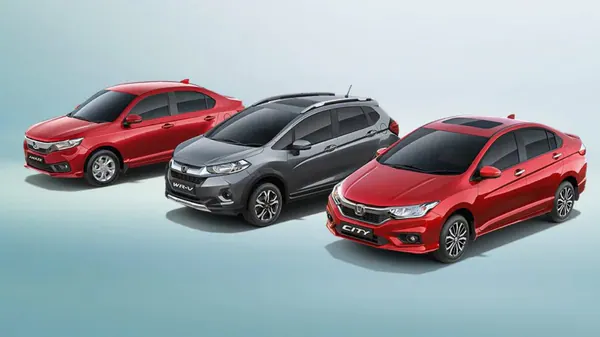
Sedan Choices: The Honda City continues its legacy with refined engines, spacious interiors, and strong resale value. Hyundai Verna matches it with modern styling and feature richness. Maruti Ciaz offers excellent value with low running costs and practical interiors. Skoda Slavia brings European build quality and powerful engine options. Each sedan offers distinct advantages suited to different family preferences.
Hatchback Alternatives: For smaller families or urban-focused usage, premium hatchbacks like the Maruti Baleno, Hyundai i20, and Tata Altroz provide excellent value. These vehicles offer generous interior space despite compact external dimensions, making them ideal for city driving. Lower running costs and easier parking make them practical choices. Modern safety features and comprehensive equipment mean you’re not sacrificing much compared to larger vehicles.
Making Your Test Drive Count
Test drives are crucial for understanding whether a car suits your family. Schedule test drives during weekdays when dealerships are less busy, allowing unhurried evaluation. Bring your entire family to assess comfort and space realistically. Children can identify issues adults might overlook, like difficulty entering rear seats or inadequate storage for their belongings.
During the drive, test various aspects. Evaluate visibility from the driver’s seat, checking blind spots and ease of parking. Assess ride quality over speed breakers and rough patches, common in Indian roads. Test air conditioning effectiveness with all passengers aboard. Examine boot space with real luggage, including strollers or sports equipment your family regularly carries.
Pay attention to ergonomics and ease of use. Can you easily reach all controls? Is the infotainment system intuitive? Are the seats comfortable after 30 minutes? These details significantly impact daily satisfaction. Don’t hesitate to ask for extended test drives, allowing highway and city driving evaluation. Some dealers offer overnight or weekend test drives, providing comprehensive understanding of the vehicle’s character.
Financing and Negotiation Strategies
Most families finance car purchases through loans, making interest rates and loan terms crucial considerations. Compare offers from multiple banks and financial institutions. Manufacturer-tied financing often provides competitive rates and simplified processing. Factor in processing fees, prepayment charges, and insurance bundling when comparing options.
Negotiation begins with thorough research. Know the car’s invoice price, typical discounts, and ongoing promotional offers. Month-end and year-end periods typically offer better deals as dealers rush to meet sales targets. Festival seasons bring manufacturer-supported discounts. Consider the total package including exchange value for your old car, free accessories, extended warranties, and service packages rather than focusing solely on upfront discount.
Insurance forms a significant part of total cost. While dealers offer insurance packages, comparing quotes from multiple insurers might yield savings. Understand coverage details, claim settlement ratios, and network garage availability. Optional add-ons like zero depreciation cover and engine protection make sense for new cars. Factor in insurance costs over the loan tenure when calculating affordability.
Conclusion
Choosing the best family car under 15 lakhs requires balancing multiple factors including space, safety, efficiency, reliability, and features. The Indian automotive market offers excellent options across body styles, each with distinct advantages. Your family’s specific needs, usage patterns, and preferences should guide the decision rather than following popular choices.
Take time researching, test driving, and evaluating options. Involve family members in the decision-making process since they’ll be using the car too. Consider long-term factors like resale value, maintenance costs, and how well the car will serve your family as children grow. The right family car becomes more than transportation – it’s the setting for countless memories, from daily school runs to vacation adventures.
With careful evaluation and informed decision-making, you’ll find a family car that serves reliably for years while staying comfortably within your 15 lakh budget. The investment in time spent researching and testing will pay dividends through years of satisfied ownership and happy family journeys.
FAQs
Which is better for a family car under 15 lakhs – SUV or sedan?
The choice between SUV and sedan depends on your priorities. SUVs offer higher ground clearance, better visibility, easier ingress-egress, and perceived safety, making them popular for Indian road conditions. However, sedans typically provide better fuel efficiency, more refined ride quality, superior handling, and often larger boot space. If you frequently travel on highways and prioritize comfort, sedans excel. For mixed urban-rural usage with occasional rough roads, SUVs make more sense.
What fuel type is most economical for a family car?
CNG offers the lowest running costs at approximately 2-3 rupees per kilometer, making it ideal for high-mileage users primarily driving in cities. Petrol engines provide better performance and flexibility for highway travel, with running costs around 5-7 rupees per kilometer. Diesel makes sense if you drive over 2,000 kilometers monthly and plan long-term ownership, offering 4-5 rupees per kilometer. Hybrid options like Maruti Grand Vitara provide excellent efficiency at 6-7 kilometers per liter equivalent, balancing performance and economy.
How important are safety ratings when choosing a family car?
Safety ratings are extremely important and should be a top priority. Bharat NCAP and Global NCAP ratings provide objective assessments of crashworthiness and safety equipment effectiveness. Cars with 4-5 star ratings offer significantly better protection in accidents. Look beyond ratings to actual safety features – minimum six airbags, ESP, ABS with EBD, ISOFIX child seat anchors, and strong body structure. Safety investments protect your most precious cargo and can prevent serious injuries in accidents.
Should I buy a petrol or diesel family car in 2025?
In 2025, petrol cars generally make more sense for most families due to lower purchase prices, reduced maintenance costs, and sufficient fuel efficiency improvements. Diesel only justifies its higher cost if you drive over 2,000-2,500 kilometers monthly and plan to keep the car for at least 5-7 years. Environmental regulations favor petrol and alternative fuels, potentially affecting diesel resale values. Consider hybrid options combining petrol efficiency with strong performance, or evaluate CNG for maximum running cost savings.
What are the hidden costs I should consider?
Beyond the purchase price, factor in comprehensive insurance (4-6% of car value annually), regular maintenance (15,000-25,000 rupees yearly), fuel costs based on your driving patterns, parking fees if applicable, and potential toll charges. Accessories and customizations add costs post-purchase. Depreciation, though not a direct expense, affects resale value – cars typically lose 15-20% value in the first year and 10-15% annually thereafter. Extended warranties, extended service packages, and ceramic coating are optional expenses to consider.
How long should I plan to keep the family car?
Plan to keep your family car for at least 5-7 years to maximize value. This timeframe allows you to spread the depreciation hit over sufficient usage, reduces the impact of GST and registration costs, and ensures you benefit from lower maintenance costs during warranty periods. Frequent upgrades every 2-3 years result in significant depreciation losses. However, if your family situation changes dramatically (more children, different work location), upgrading earlier makes sense. Good maintenance preserves resale value if you do decide to upgrade.
Are extended warranties worth buying for family cars?
Extended warranties make sense if you plan to keep the car beyond the manufacturer’s standard warranty period and want predictable maintenance costs. They protect against expensive repairs to major components like engines, transmissions, and electronics. Evaluate the warranty terms carefully – what’s covered, exclusions, claim process, and whether service must be done at authorized centers. For reliable brands with good track records, extended warranties might be unnecessary. For premium features or new technology, they provide peace of mind.
Tags: Family Car India, Best Car Under 15 Lakhs, Family Car Buying Guide, Car for Family 2025, Budget Family Car, SUV vs Sedan, Car Safety Features, Fuel Efficient Cars, Family Vehicle India.