
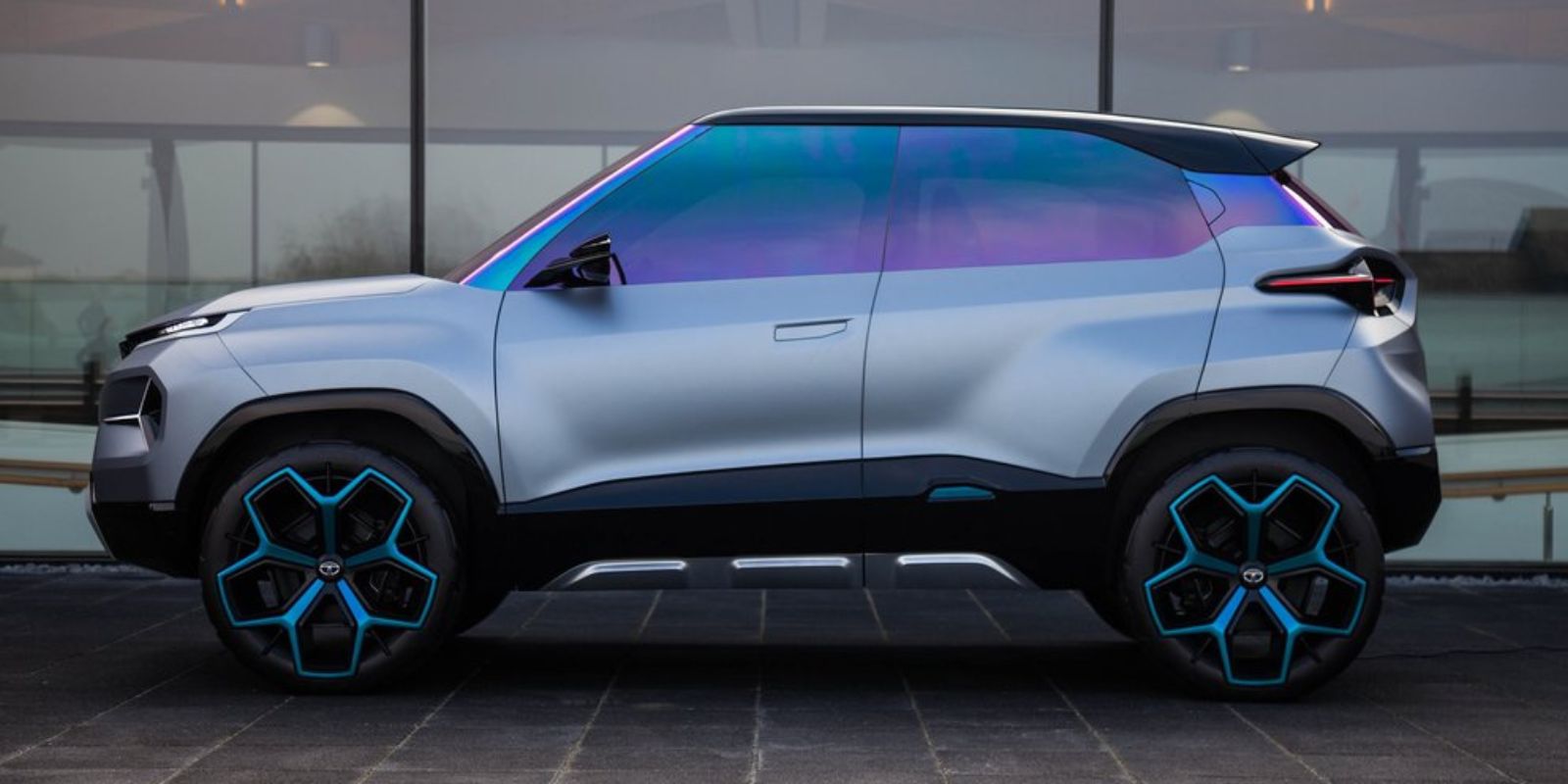
Honda has investigated the possibility of marketing Tata-developed petrol and electric vehicles under its own badge within India, according to reports. The discussions additionally cover potential access to electric vehicle architectures, though no formal supply agreement has been established. This exploratory proposal is separate from the vehicle technology agreement that Tata Motors recently concluded for Stellantis, as the two manufacturers have pursued distinct approaches regarding the Indian automotive group.
Strategic Priorities and Historical Ties
The Japanese carmaker views India as one of its three primary global markets, alongside Japan and North America. Honda aims to introduce an India-specific vehicle by 2028, with an all-electric midsize SUV currently under development based on the Zero Alpha concept. Utilizing an existing Indian vehicle platform could potentially reduce expenses for a separate product strategy and reduce development timelines. However, any commercial determination remains contingent upon technical suitability, financial conditions, and the specific category of vehicle Honda desires for its domestic line-up.
The negotiations further involve multiple group entities, including Tata Consultancy Services, Tata Technologies, Tata AutoComp, Agratas, and Tata Elxsi. Contacts with the first two firms are stated to be further advanced than the vehicle supply proposal, with their expertise covering software, automotive design, components, and batteries. Meanwhile, Hyundai has made a separate outreach to Tata Sons, as its chief executive José Muñoz met chairman N Chandrasekaran in Mumbai for a courtesy visit, which did not yield any declared joint project.
Corporate Engagements and Broader Industry Context
The connection between Honda and Tata spans four decades, originating from an automobile venture agreement signed on July 10, 1985, by Honda president Tadashi Kume and TELCO executive Sumant Moolgaokar, which ultimately did not advance to production. Tata Sons chairman N Chandrasekaran travelled to Japan in 2025 for talks at Honda, joined by company president Toshihiro Mibe and Toshiyuki Yanagisawa. Yanagisawa subsequently assumed the role of president and CEO of Honda Cars India on October 1, 2026.
Concurrently, Hyundai has designated USD 15.5 billion for India spanning the period from 2026 to 2032, targeting manufacturing plants, research, supplier networks, and future mobility initiatives, with intentions to form an Indian investment entity to evaluate possible partners. Conversely, Stellantis concluded a distinct arrangement wherein Tata Motors Passenger Vehicles and Tata Passenger Electric Mobility signed a vehicle technology and product development agreement with Stellantis.
Production Arrangements and Future Outlook
Tata architecture and technical resources will be utilized for offerings directed at over 50 markets, with manufacturing designated to Fiat India Automobiles at Ranjangaon near Pune, a facility owned equally by Tata Motors and Stellantis. Speculation has also surrounded a Jeep SUV project utilizing the Tata Sierra’s ARGOS architecture.
- Honda explores Tata-derived petrol and electric cars for the Indian market
- Discussions include EV architectures and collaboration with Tata tech firms
- Tata Motors has a separate vehicle technology agreement with Stellantis
- Hyundai has outlined an investment of USD 15.5 billion for India from 2026 to 2032
These exploratory talks highlight ongoing strategic realignments among major global automotive players operating within India. While technical and financial viability will dictate future outcomes, leveraging local platforms and technical ecosystems remains a key consideration for expansion.