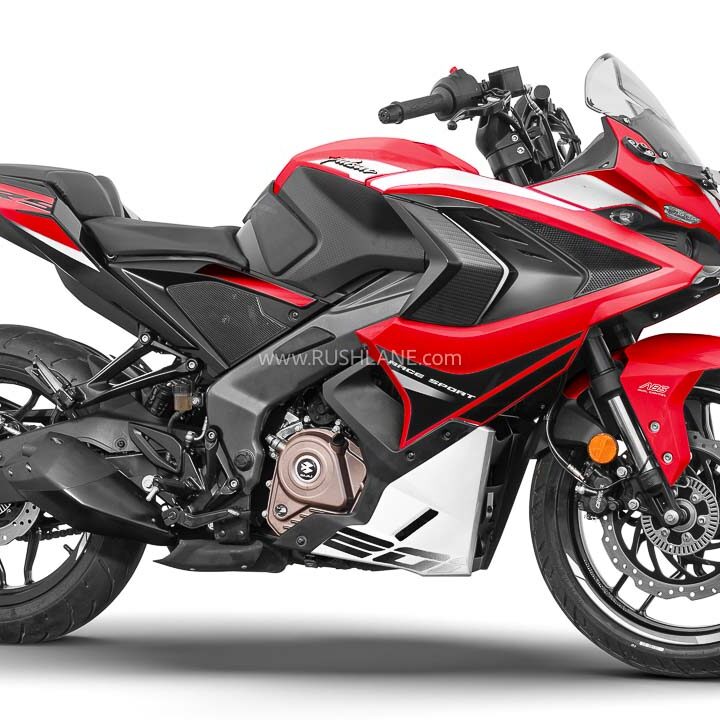
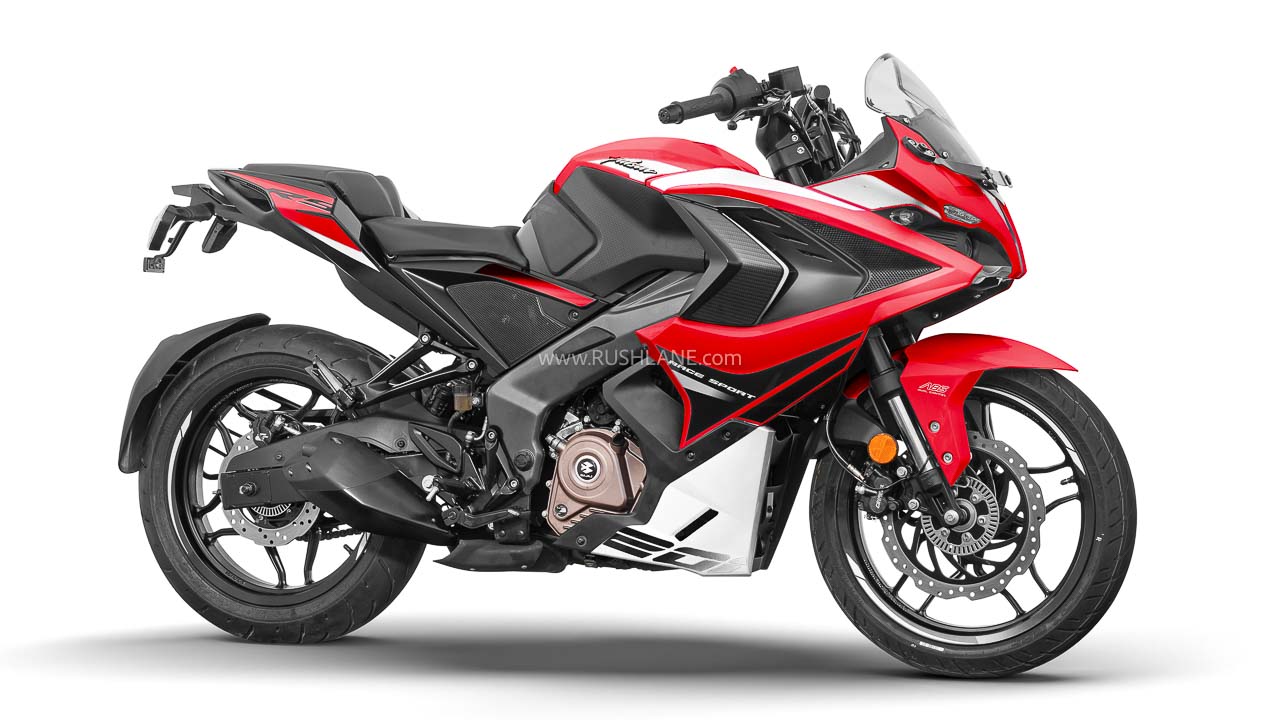
Bajaj Auto has expanded the modernization of its Pulsar lineup by introducing a comprehensive technology, engine, and suspension refresh for the fully faired RS200 motorcycle. The revised model enters the market carrying an ex-showroom Delhi price tag of Rs 1,98,441. Alongside the cosmetic and structural familiarity of its aerodynamic bodywork, the motorcycle receives a notable power boost, advanced rider electronics, and revised hardware components designed to align it with contemporary performance offerings.
Engine Upgrades and Electronic Aids
The powertrain adjustments elevate the maximum power output to 25.5 PS, marking a 1 PS increase over the previous 24.5 PS limit. Central to this performance improvement is the integration of an Electronic Throttle Body (ETB), which subsequently facilitates the introduction of multiple ride modes. While the manufacturer's release does not disclose specific operational titles, individual presets, or torque adjustments, the modes allow riders to alter the machine's response across varied surfaces.
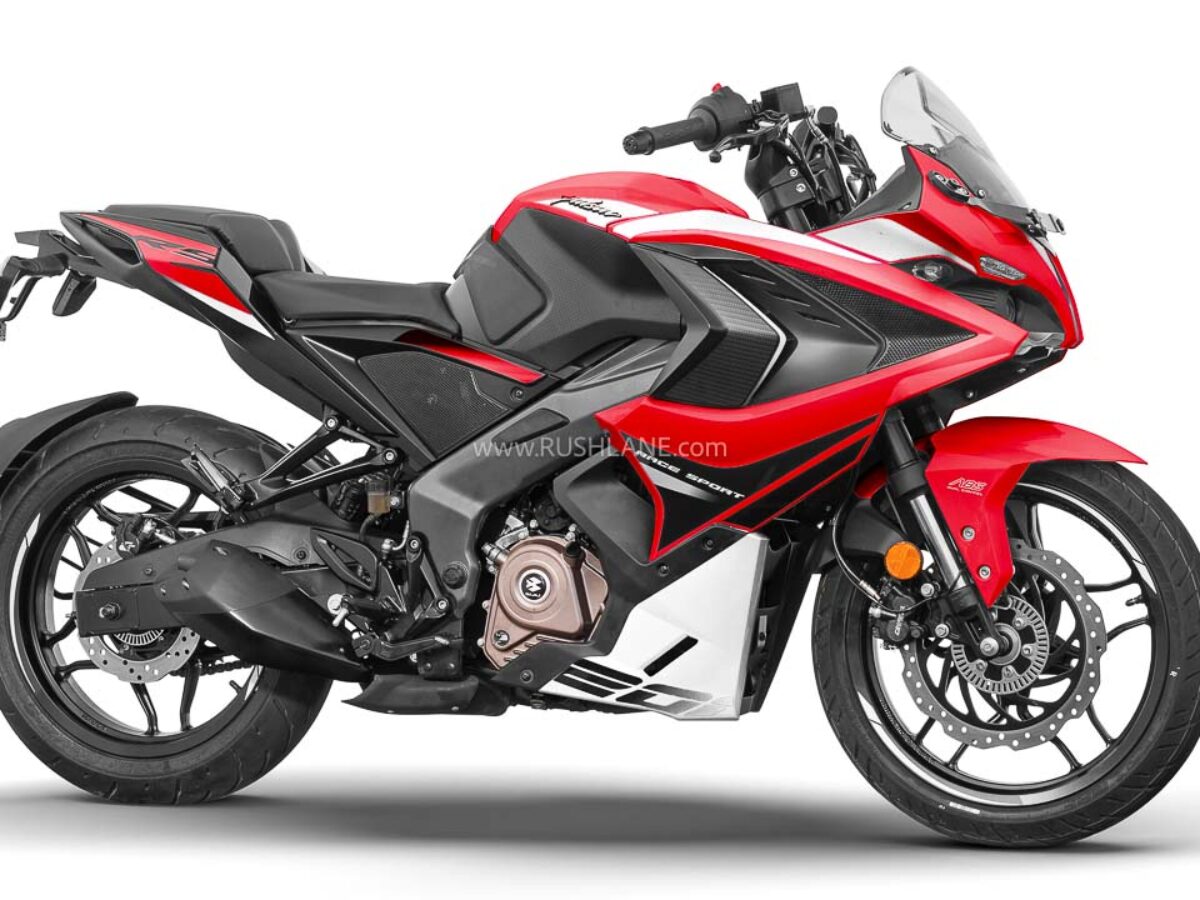
Further bolstering the electronic suite is the addition of a traction control system aimed at mitigating rear wheel slip under compromised grip conditions. A Sports Shifter has also been incorporated into the build, although official documentation refrains from clarifying whether it enables bidirectional clutchless shifting or the precise parameters for its engagement. Sarang Kanade, Chief Business Officer of the Two-wheeler Business Unit at Bajaj Auto, stated that these new technologies are intended to provide operators with enhanced control, adaptability, and connectivity while safeguarding the core personality of the RS200.
Suspension and Chassis Enhancements
Mechanical alterations address long-standing hardware gaps relative to the brand's naked offerings, most notably through the replacement of traditional telescopic tubes with 37 mm upside-down (USD) front forks. At the rear, the machine employs a 140/70-R17 radial tyre, fulfilling earlier industry anticipation regarding construction type rather than a wider dimensional footprint.
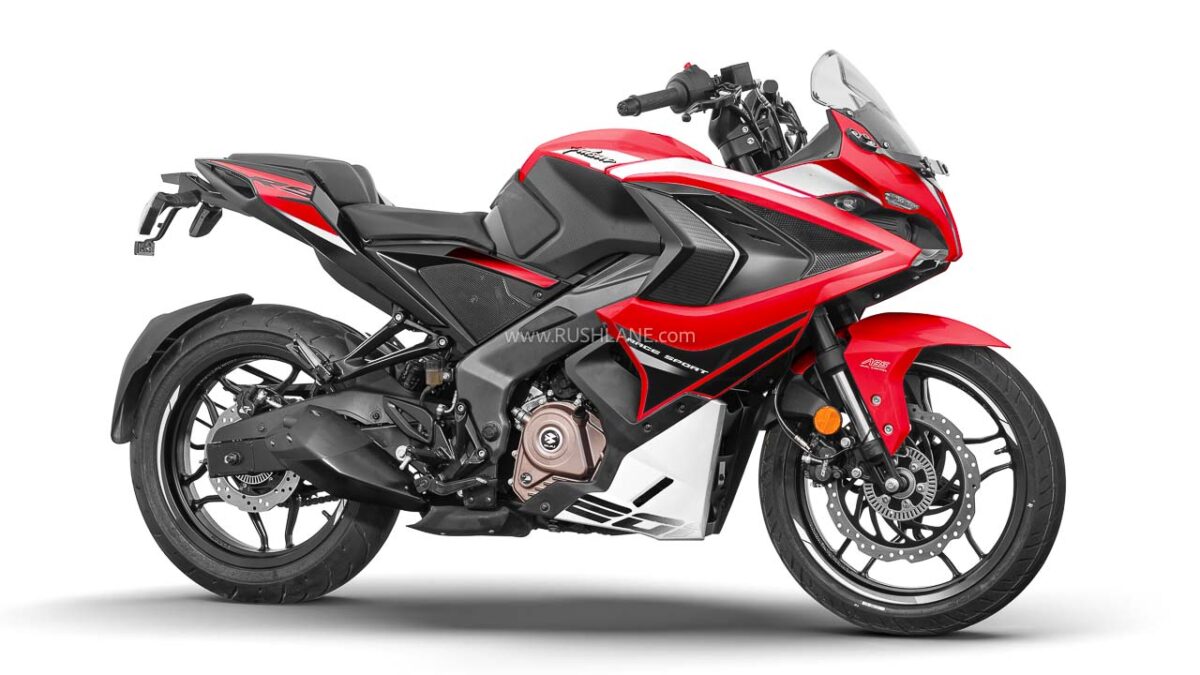
These structural revisions integrate directly with the existing chassis layout without introducing an extensive overall body redesign. The traditional fully faired framework remains entirely intact, directing the focus of this refresh toward underlying dynamic capabilities and operational refinement.
Cockpit Technology and Practicality Features
Inside the cockpit, the older bonded colour LCD cluster is superseded by a modern 5-inch TFT instrument console. The primary highlight of this new display is integrated Google Maps mirroring, which projects turn-by-turn navigation cues straight onto the rider's field of vision, though comprehensive smartphone pairing parameters remain unstated.
Additional convenience elements introduced to the layout include:
- Adjustable hand levers for personalized reach
- A USB Type-C charging port for mobile devices
- A dedicated hazard lamp switch
- Panic Brake Alert functionality for heightened visibility
Market Position
Positioned within the competitive 200cc performance segment, the refreshed model squares off against key rivals including the KTM RC 200, the Yamaha R15 V4, and the Suzuki Gixxer SF 250. The KTM RC 200 shares a similar track-focused, fully faired identity, whereas the Yamaha R15 V4 emphasizes lightweight architecture and high-efficiency engineering. Meanwhile, the Suzuki Gixxer SF 250 offers a larger 249cc motor geared toward sports touring. With its expanded electronics suite encompassing ride modes, traction control, and navigation-enabled TFT instrumentation, the updated Bajaj Pulsar RS200 strengthens its competitive standing against these alternatives.