
Thirteen years have passed since millions of fans around the world began waiting for the release of GTA 6, and the sixth installment of the Grand Theft Auto series is finally playable. Alongside the return of classic settings like Vice City in an expansive new open world, the enormous passage of time serves as an interesting milestone to look back at how the automotive landscape has shifted. Over this exact same period, ten popular Indian cars have undergone significant evolutions, with some transforming completely while others stayed remarkably consistent.
Sedans and Hatchbacks: Dzire, City, and Swift
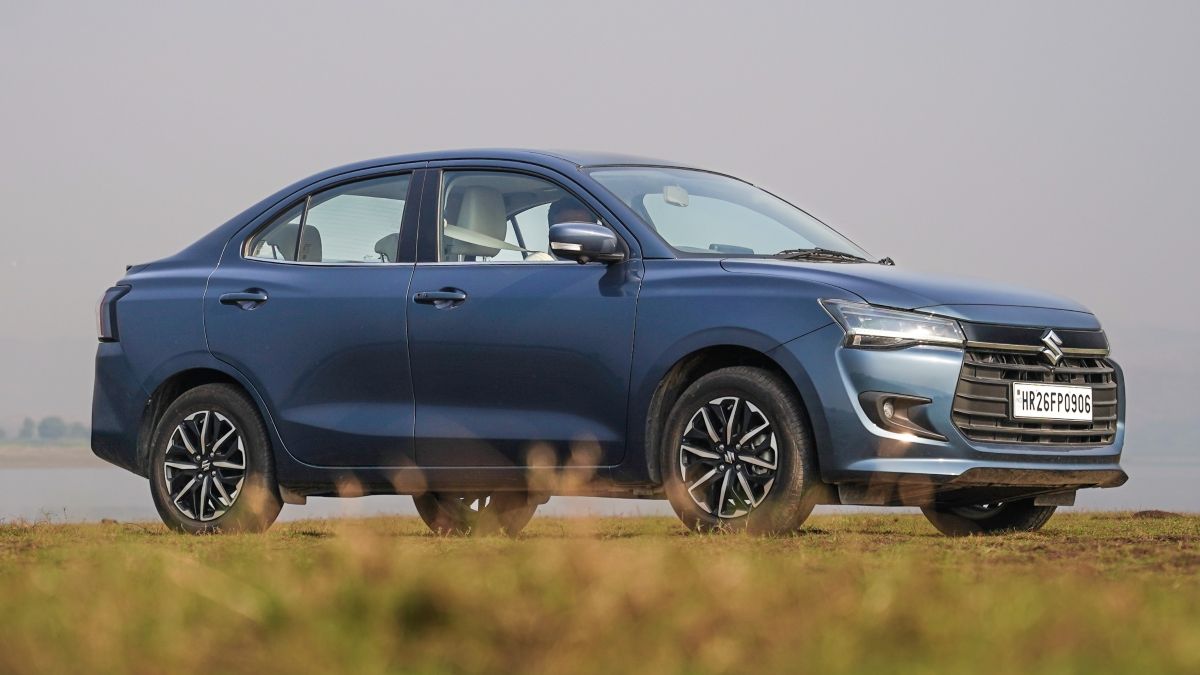
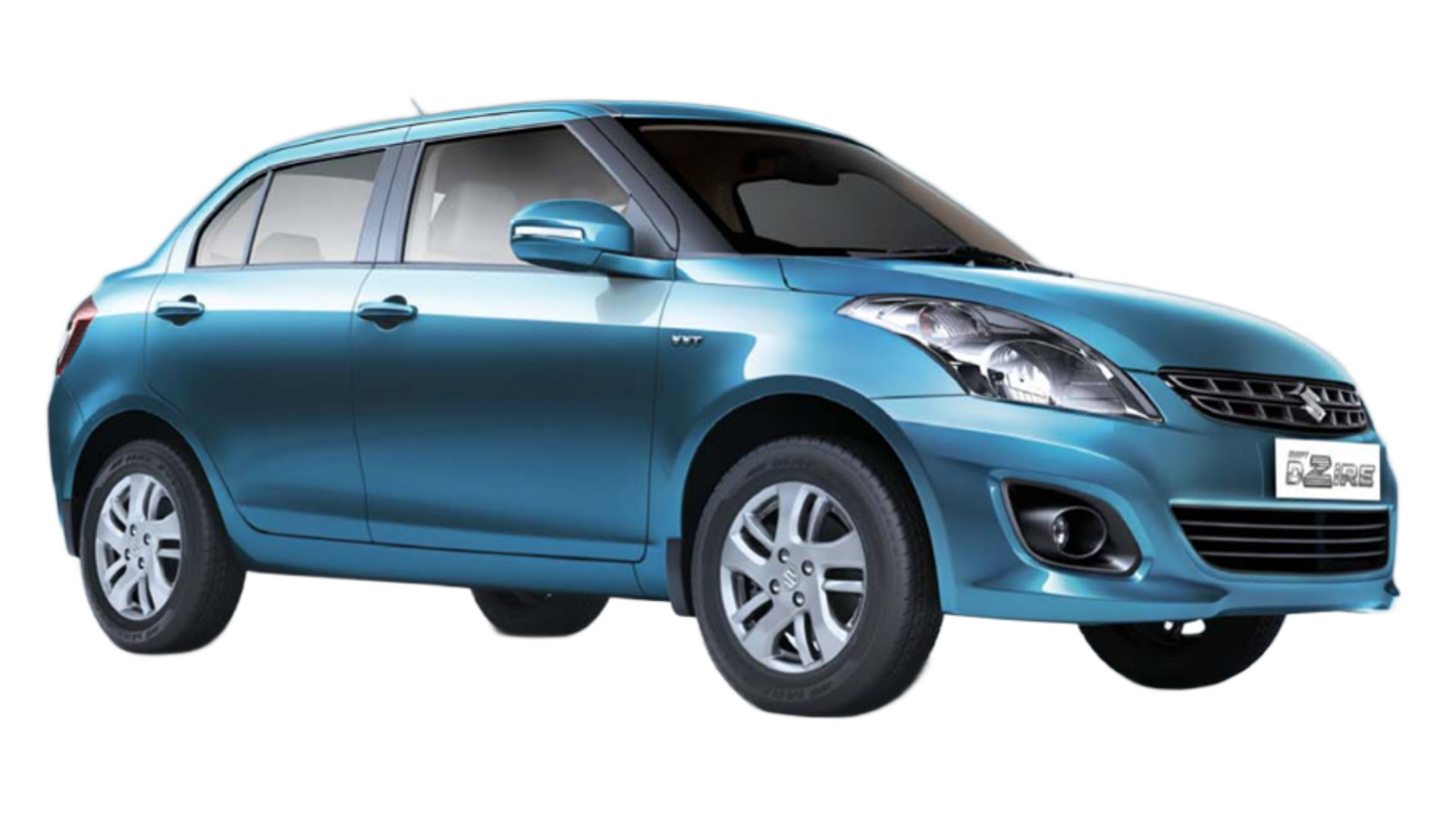
When GTA 5 debuted, the Maruti Dzire was a second-generation sub-4 metre sedan that shared a heavy design connection with the Swift and still carried the Swift suffix. Today, buyers can purchase the fourth-generation model, which has evolved into a distinct vehicle independent of its hatchback sibling while retaining its smooth petrol engine, value, and high sales volume. Similarly, the Honda City was then a third-generation model embodying classic Honda virtues like a rev-happy petrol engine and comfortable rear seating. Now in its fifth-generation, the City incorporates a strong-hybrid powertrain alongside its traditional reliability and comfort.

The Maruti Swift also served as a default entry point for enthusiasts back then in its second-generation, driven by a four-cylinder 1.2-litre K-series engine and a torquey 1.3-litre diesel engine. Its legacy continues today through the fourth-generation hatchback, which maintains its sporty handling and character though it now relies on a new 3-cylinder petrol engine without any diesel variants.
MPVs and SUVs: Innova, Thar, and Safari
As India's favorite MPV, the Toyota Innova relied on rock-solid reliability, space, and a body-on-frame build during the era of GTA 5. Over the intervening generations, it has been replaced by the Innova Hycross, which introduces a monocoque construction and a strong-hybrid powertrain. Meanwhile, the Mahindra Thar was a first-generation off-roader closely tied to its Jeep roots, offering a barebones interior with bench seats, a soft-top, and a 2.5-litre CRDe diesel engine. The modern Thar represents a much more modern, powerful, and usable package with a significantly widened appeal.
Tata's homegrown SUV, the Safari, featured the Storme suffix during the release of GTA 5, utilizing a body-on-frame and 4x4 setup that appealed to SUV buyers. The modern iteration uses a monocoque build with a 4x2 setup only, acting as the brand's flagship ICE-powered offering thanks to modern technology, better driving dynamics, and enhanced practicality.
Compact and Full-Size SUVs: Duster, Scorpio, Fortuner, and Bolero
The Renault Duster originally pioneered the compact SUV segment in India with a robust diesel engine, optional AWD, and exceptional ride quality. Its recent comeback introduces an entirely new formula, swapping the diesel for a turbo-petrol and hybrid setup alongside a more luxurious interior focused on features. The Mahindra Scorpio was in its first-generation facelifted avatar in 2013, featuring vertical taillamps and powerful 2.2-litre and 2.5-litre diesel engines. Today, buyers can choose between the advanced next-generation Scorpio N or the analogue-focused Scorpio Classic, which updates the original platform with a more refined diesel motor.
The Toyota Fortuner remains a darling for full-size SUV buyers, maintaining the old-school charm and robust underpinnings of the first-generation model while feeling more spacious and modern. It currently benefits from a more powerful 2.8-litre diesel engine and a mild-hybrid system. Out of all the vehicles on this list, the Mahindra Bolero stands alone as the vehicle that has remained almost entirely unchanged, save for minor styling adjustments and the addition of a new 1.5-litre diesel engine.
- Maruti Dzire: Evolved from a Swift-affiliated second-gen model to an independent fourth-gen sub-4m sedan.
- Toyota Innova: Shifted from first-gen body-on-frame to the monocoque Innova Hycross with a strong-hybrid powertrain.
- Honda City: Progressed from a third-generation petrol sedan to a fifth-generation model offering a hybrid option.
- Mahindra Thar: Moved from a barebones first-gen 4x4 with a 2.5-litre CRDe engine to a modern, highly usable SUV.
- Maruti Swift: Transitioned from a K-series and diesel second-gen hatchback to a 3-cylinder petrol fourth-gen model.
- Tata Safari: Evolved from the body-on-frame Storme 4x4 to a monocoque 4x2 flagship ICE SUV.
- Renault Duster: Shifted from an old-school diesel AWD setup to a modern turbo-petrol and hybrid formula.
- Mahindra Scorpio: Expanded from a vertical-taillamp facelift into the Scorpio N and Scorpio Classic lineup.
- Toyota Fortuner: Upgraded with a mild-hybrid system and a stronger 2.8-litre diesel engine while keeping its core charm.
- Mahindra Bolero: Retained its classic layout with minor visual tweaks and a new 1.5-litre diesel engine.
Impact on the Indian Automotive Landscape
Tracking these ten vehicles highlights how rapidly customer preferences and emissions regulations have shaped Indian car manufacturing over thirteen years. While stalwarts like the Bolero prove that certain utilitarian designs retain enduring appeal, the shift toward monocoque platforms, hybrid powertrains, and advanced cabin technology across models like the City, Innova, and Safari demonstrates a maturing market. Enthusiasts and everyday commuters alike now enjoy safer, cleaner, and vastly more feature-rich options than what was available when GTA 5 first launched.