Introduction
Toyota, renowned globally for reliability and quality, is preparing an exciting product offensive for the Indian market in 2025-2026. After years of conservative approach, the Japanese automaker is accelerating its India strategy with multiple new launches, significant updates to existing models, and most importantly, a comprehensive electrification roadmap. This marks a transformative period for Toyota in India as it aims to expand market share while maintaining the legendary quality that has made models like the Innova and Fortuner household names.
From compact SUVs to premium sedans, hybrid technology to pure electric vehicles, Toyota’s upcoming portfolio addresses diverse Indian buyer needs while leveraging partnerships with Maruti Suzuki and indigenous development. This comprehensive guide explores Toyota’s confirmed and expected launches, providing insights into specifications, expected pricing, features, and how these vehicles will reshape Toyota’s Indian presence over the next 18 months.
Toyota’s India Strategy and Partnerships

Maruti Suzuki Alliance: Toyota’s strategic partnership with Maruti Suzuki has proven transformative, enabling shared development costs, manufacturing efficiencies, and access to Maruti’s extensive supplier and dealer network. The partnership has already delivered the Urban Cruiser Hyryder (rebadged Maruti Grand Vitara) with strong success. Future products will continue leveraging this collaboration, allowing Toyota to offer competitive pricing while maintaining quality standards.
The alliance enables Toyota to tap into Maruti’s deep understanding of Indian consumer preferences and cost structures while Maruti benefits from Toyota’s electrification technology and quality processes. This win-win collaboration will underpin several upcoming launches, making Toyota products more accessible to mass-market buyers than traditional Toyota pricing.
Electrification Focus: Toyota globally is committed to multi-path electrification strategy including hybrids, plug-in hybrids, battery electric vehicles, and hydrogen fuel cells. For India, the focus centers on strong hybrids and battery electric vehicles. Toyota believes hybrids represent optimal transition technology for Indian conditions given infrastructure limitations and buyer price sensitivity, while simultaneously developing pure EV offerings for environmentally conscious, early-adopter segments.
Upcoming Toyota SUVs

Toyota Urban Cruiser Taisor (Launch: Q1 2025): Toyota will rebadge the Maruti Fronx as the Urban Cruiser Taisor, adding another compact SUV to its portfolio. This crossover-style vehicle will sit below the Hyryder, targeting younger, urban buyers seeking stylish, compact SUVs. Expect 1.0-liter turbo-petrol and 1.2-liter naturally aspirated engines with manual and AMT transmissions.
Pricing will likely range ₹8-12 lakhs, positioning it competitively against Tata Nexon, Hyundai Venue, and Kia Sonet. The Taisor name continues Toyota’s Urban Cruiser sub-brand for compact SUVs. While essentially a rebadged Fronx, Toyota’s reliability reputation and service network make it attractive for buyers preferring Toyota brand assurance over Maruti badges.
Features will include touchscreen infotainment with wireless smartphone connectivity, automatic climate control, and comprehensive safety equipment in higher variants. The compact dimensions suit urban driving while the elevated stance and SUV styling appeal to Indian preferences. This will be Toyota’s most affordable SUV offering, opening the brand to new buyer demographics.
Toyota Fortuner Facelift (Expected: Late 2025): The segment-leading Fortuner, India’s bestselling premium SUV, is due for its mid-life refresh. The updated Fortuner will feature refreshed exterior styling with updated grille, LED lighting signatures, and revised bumpers maintaining the commanding presence that has made it aspirational. Interior updates will include larger touchscreen infotainment, digital instrument cluster, and enhanced connectivity features.
The proven 2.7-liter petrol and 2.8-liter diesel engines will likely continue with possible tuning improvements for better efficiency and refinement. ADAS features might be introduced in top variants, bringing advanced safety to match evolving buyer expectations. Pricing will likely increase modestly to ₹34-50 lakhs reflecting feature additions while maintaining segment leadership.
The Fortuner’s popularity in India is legendary – it’s synonymous with success and status. The facelift will maintain this appeal while adding modern technologies ensuring continued dominance. Expect strong demand from business owners, politicians, and affluent families who view Fortuner as the definitive premium SUV statement.
Toyota Land Cruiser (Expected: 2025-2026): The iconic Land Cruiser might return to India after brief absence. The latest generation Land Cruiser 300 series combines legendary off-road capability with luxury amenities. Expected to be imported as CBU (Completely Built Unit), pricing will be premium at ₹1.5-2+ crores. The twin-turbo V6 engine delivers powerful performance with improved efficiency compared to previous V8 engines.
The Land Cruiser represents ultimate SUV capability – no terrain is too challenging, and luxury is uncompromised. For enthusiasts, adventurers, and those wanting the best SUV money can buy regardless of price, the Land Cruiser’s return will be welcomed. Limited numbers and exclusivity will add to appeal. Toyota’s reliability ensures these vehicles outlast any competitor while retaining value remarkably well.
Toyota Compact SUV (EV) – Expected: 2026: Toyota is developing a compact electric SUV specifically for emerging markets including India. Built on e-TNGA platform, this will be Toyota’s first mass-market EV for India. Expect approximately 400-450 km range targeting the sweet spot for Indian buyers balancing range anxiety with affordability. Pricing will be crucial – targeting ₹18-25 lakhs to compete with Tata Nexon EV, MG ZS EV, and upcoming competitors.
This represents Toyota’s serious commitment to India’s EV future. The vehicle will feature Toyota’s reliability applied to electric powertrains, potentially addressing Indian buyer concerns about EV dependability. Advanced features including ADAS, large infotainment screens, and comprehensive connectivity will position it as a tech-forward offering. Success depends heavily on competitive pricing and convincing range credentials.
Upcoming Toyota Sedans
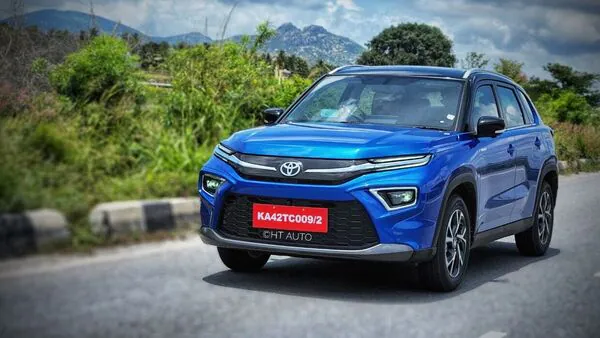
Toyota Camry Hybrid (Next Generation – Expected: Late 2025/Early 2026): The next-generation Camry will continue as hybrid-only for India, reinforcing Toyota’s electrification commitment. The new Camry features evolutionary styling with improved aerodynamics, larger dimensions, and more upscale interiors. The hybrid powertrain will deliver improved efficiency (potentially 25+ km/l) with enhanced performance from evolved 2.5-liter engine and e-CVT transmission.
Expected pricing of ₹45-55 lakhs positions it in the premium executive sedan segment. The Camry’s reliability, refined hybrid technology, and premium positioning make it popular with business executives and those seeking understated luxury. The hybrid technology appeals to environmentally conscious buyers while delivering impressive efficiency for the size and performance level.
Features will include comprehensive ADAS, premium audio system, ventilated seats, digital displays, and extensive connectivity. The Camry won’t match German sedans’ performance focus but will deliver unmatched reliability, efficiency, and total ownership experience. For buyers prioritizing dependability and running cost economy over badge prestige, the Camry represents exceptional value.
Toyota Belta/Glanza Sedan Variant (Possible: 2025-2026): Speculation suggests Toyota might introduce a sedan variant leveraging the Maruti Dzire platform, potentially named Belta (used in some markets). This would give Toyota presence in India’s substantial compact sedan segment currently served by Dzire, Honda Amaze, and Hyundai Aura. Pricing would likely range ₹8-12 lakhs making it Toyota’s most affordable sedan.
The move would complete Toyota’s portfolio coverage across key segments while leveraging the partnership with Maruti for development and manufacturing efficiency. The Dzire’s proven reliability and efficiency with Toyota branding could attract buyers seeking Japanese reliability at accessible pricing. Features would match competitors with touchscreen infotainment, automatic climate control, and decent safety equipment.
Hybrid Technology Expansion
More Models Getting Hybrid Options: Toyota’s hybrid expertise, perfected over 25+ years and millions of vehicles globally, will expand across more models. The strong hybrid technology combining petrol engine with electric motor delivers remarkable efficiency (20-28 km/l) while maintaining performance. Unlike mild hybrids, Toyota’s system allows electric-only driving at low speeds, significantly improving city efficiency.
The technology’s proven reliability addresses Indian concerns about hybrid complexity and maintenance. Toyota hybrids require no external charging (unlike plug-in hybrids), eliminating infrastructure concerns while delivering efficiency approaching EVs in city driving. The seamless operation and fuel savings justify modest premiums over conventional vehicles.
Expect potential hybrid variants of:
- Updated Innova Hycross expansion to more variants
- Possible Fortuner hybrid matching international markets
- Compact SUV hybrid variants leveraging Maruti partnership
- Sedan hybrid offerings beyond Camry
Hybrid vs EV Strategy: Toyota believes hybrids represent optimal technology for India currently given:
- No charging infrastructure dependency
- Lower cost than pure EVs
- Proven reliability and durability
- Excellent real-world efficiency
- No range anxiety
- Suitable for diverse Indian driving patterns
This pragmatic approach contrasts with manufacturers pursuing EV-only strategies. Toyota argues hybrids provide immediate environmental benefits to more customers than limited, expensive EVs. As infrastructure improves and battery costs decrease, pure EVs will grow, but hybrids bridge the transition effectively.
Expected Features and Technologies
Toyota Safety Sense: Toyota’s comprehensive ADAS suite will expand across more models and variants. Features include:
- Pre-Collision System with pedestrian detection
- Lane Departure Alert with steering assist
- Adaptive Cruise Control
- Automatic High Beams
- Road Sign Assist
These technologies, standard in developed markets, will increasingly appear in Indian Toyota vehicles as costs decrease and buyer awareness grows. Initially limited to premium models, gradual democratization will bring advanced safety to volume segments.
Connectivity and Infotainment: Large touchscreen systems (10-12 inches) with wireless Android Auto and Apple CarPlay will become standard. Connected car features including:
- Remote vehicle monitoring and control
- Over-the-air updates
- Geofencing and tracking
- Emergency assistance
- Predictive maintenance alerts
Toyota’s approach balances technology integration with interface simplicity, avoiding overwhelming complexity while providing desired functionality.
Interior Quality and Comfort: Toyota will maintain focus on:
- Durable, quality materials
- Ergonomic design prioritizing long-term comfort
- Comprehensive climate control
- Supportive, long-distance-friendly seating
- Thoughtful storage solutions
- Noise insulation and refinement
The philosophy prioritizes lasting satisfaction over initial wow factor, ensuring vehicles remain pleasant to use throughout ownership.
Pricing Strategy and Positioning
Balancing Premium Positioning with Accessibility: Toyota faces the challenge of maintaining premium brand perception (justifying prices above mass-market brands) while remaining accessible enough to grow market share. The Maruti partnership helps by providing cost-efficient platforms enabling competitive pricing on volume models while reserving traditional Toyota development for premium offerings.
Expected Price Ranges:
- Compact SUVs (Taisor): ₹8-12 lakhs
- Mid-size SUVs (Hyryder): ₹10-20 lakhs
- Compact Sedan: ₹8-12 lakhs
- Premium SUVs (Fortuner): ₹34-50 lakhs
- Premium Sedans (Camry): ₹45-55 lakhs
- Electric SUV: ₹18-25 lakhs
- Ultra-Premium (Land Cruiser): ₹1.5-2+ crores
The pricing reflects Toyota’s strategy of covering diverse segments while maintaining the brand’s premium positioning relative to mass-market competitors.
Competition and Market Positioning
Compact SUV Segment: The Taisor will battle Tata Nexon, Hyundai Venue, Kia Sonet, Maruti Brezza, and Nissan Magnite in India’s most competitive segment. Toyota’s reliability reputation and service network will be key differentiators against feature-rich Korean competition and value-focused domestic offerings.
Mid-Size SUV Segment: The Hyryder competes with Hyundai Creta, Kia Seltos, MG Astor, and platform-partner Maruti Grand Vitara. The hybrid technology provides unique selling proposition while Toyota branding adds appeal for conservative buyers trusting the brand’s reliability heritage.
Premium SUV Segment: The Fortuner dominates its space with MG Gloster and Jeep Meridian as primary competitors. The brand equity, proven durability, and strong resale values make Fortuner nearly unassailable in its segment. The facelift will maintain this leadership.
Premium Sedan Segment: The Camry faces German competition (Mercedes C-Class, BMW 3 Series, Audi A4) and Honda Accord. While Germans offer performance and prestige, Camry counters with reliability, hybrid efficiency, and lower ownership costs appealing to pragmatic luxury buyers.
What This Means for Buyers
Wider Choice: Toyota’s expanded portfolio means buyers can stay within the brand across more segments. Previously, Toyota gaps forced brand-hopping – now you can progress from Taisor to Hyryder to Fortuner entirely within Toyota, building brand loyalty.
Better Value: Maruti partnership enables competitive pricing making Toyota accessible to broader demographics. The cost-sharing benefits buyers through better value propositions than Toyota could achieve independently in price-sensitive Indian market.
Proven Technology: Toyota’s conservative approach means technologies are mature and proven before Indian introduction. You won’t be beta testers – hybrid systems have millions of global miles validation. This appeals to risk-averse buyers valuing reliability over cutting-edge features.
Strong Resale Values: Toyota vehicles traditionally command premium resale values due to reliability reputation and strong brand equity. Investing in upcoming Toyotas protects your investment better than many competitors, offsetting potentially higher initial prices.
Timeline Summary
2025 Launches:
- Q1: Toyota Urban Cruiser Taisor
- Mid-Year: Possible Belta/Sedan variant
- Late 2025: Fortuner Facelift
- Late 2025: New Camry Hybrid
2026 Expected Launches:
- Early 2026: Compact Electric SUV
- Mid 2026: Land Cruiser (possible)
- Ongoing: Hybrid expansion across existing models
Note: Timelines are based on current information and may shift due to market conditions, supply chain factors, or strategic decisions.
Conclusion
Toyota’s 2025-2026 product offensive represents the brand’s most aggressive Indian expansion strategy in years. The combination of new launches, significant updates, comprehensive electrification, and strategic partnerships positions Toyota for substantial market share growth while maintaining the quality and reliability standards that built its reputation.
For buyers, this means unprecedented choice within the Toyota brand across price points and segments. Whether you seek affordable compact SUVs, efficient hybrids, premium family haulers, or cutting-edge EVs, Toyota’s upcoming portfolio offers compelling options. The conservative, proven-technology approach might not match some competitors’ bleeding-edge feature offerings, but delivers the confidence and peace of mind that makes Toyota ownership satisfying long-term.
The next 18 months will be transformative for Toyota India. Buyers planning purchases in this timeframe should definitely explore upcoming Toyota offerings, as the combination of proven reliability, expanding product range, competitive pricing, and advanced technologies creates attractive value propositions across multiple segments.
FAQs
When will Toyota launch its first electric car in India?
Toyota is expected to launch its first mass-market electric SUV for India in 2026. This compact electric SUV will be specifically developed for emerging markets including India, built on Toyota’s e-TNGA platform with expected range of 400-450 km. Pricing will target ₹18-25 lakhs to compete with existing EVs like Tata Nexon EV and MG ZS EV. Until then, Toyota focuses on strong hybrid technology in models like Innova Hycross and Hyryder, which Toyota believes better suits current Indian infrastructure and buyer needs than pure EVs. The compact EV represents Toyota’s serious long-term commitment to India’s electric future.
Will Toyota Fortuner get a hybrid variant in India?
While not officially confirmed, there’s strong possibility of Fortuner hybrid introduction in India, potentially with the facelift in late 2025 or shortly after. The Fortuner hybrid is available in international markets using Toyota’s proven 2.4-liter turbo diesel with electric motor assistance, delivering improved efficiency without compromising the power and capability Fortuner buyers expect. The hybrid technology would add approximately ₹3-5 lakhs to pricing but provide significantly better fuel efficiency (potentially 12-14 km/l vs current 10-11 km/l) and smoother power delivery. For buyers covering high mileage, the hybrid’s fuel savings could offset the initial premium over ownership period.
How is Toyota Urban Cruiser Taisor different from Maruti Fronx?
The Toyota Urban Cruiser Taisor is essentially a rebadged Maruti Fronx with minor cosmetic differences and Toyota branding. Mechanically, both vehicles are identical, sharing platforms, engines, transmissions, and most features. Differences include Toyota-specific grille designs, badge updates, potentially different color options, and Toyota service network access. The pricing will be marginally higher (₹20,000-40,000) for Toyota variant, justified by brand perception and Toyota’s service reputation. For buyers, the choice comes down to brand preference – Maruti’s extensive network and lower pricing versus Toyota’s reliability reputation and potentially better resale values. Functionally, both vehicles perform identically.
What is the expected price of new Toyota Camry Hybrid?
The next-generation Toyota Camry Hybrid, expected in late 2025 or early 2026, will likely be priced ₹45-55 lakhs (ex-showroom). This represents modest increase over the current generation’s ₹41-46 lakh pricing, justified by next-generation technology, improved features, enhanced efficiency, and inflation adjustments. The Camry positions in the premium executive sedan segment competing with entry-level German luxury sedans but offering superior reliability, lower ownership costs, and excellent hybrid fuel efficiency (expected 23-25+ km/l). For buyers seeking premium sedan comfort and quality without German pricing or maintenance costs, the Camry represents excellent value despite substantial initial investment.
Does Toyota have good service network in India?
Yes, Toyota has established a comprehensive service network across India with over 350 service centers covering all major cities and most tier-2 and tier-3 towns. The service quality is generally well-regarded with trained technicians, genuine parts availability, and transparent pricing. Toyota’s service reputation, while perhaps not matching Maruti’s ubiquitous presence, significantly exceeds many competitors including newer entrants. The brand scores consistently high in customer satisfaction surveys for service quality. For buyers in smaller cities, verify local service center availability before purchase. Toyota’s partnership with Maruti might eventually provide access to Maruti’s even more extensive network for certain services, further improving accessibility.
Are Toyota hybrid cars reliable and worth the extra cost?
Yes, Toyota hybrid technology is exceptionally reliable with proven global track record spanning 25+ years and tens of millions of vehicles. The hybrid systems require no special maintenance beyond regular servicing, with battery warranties typically covering 8 years/160,000 km. Real-world reliability data shows Toyota hybrids matching or exceeding conventional vehicle dependability. The additional cost (typically ₹2-4 lakhs over petrol equivalents) is recovered through fuel savings if driving 15,000+ km annually within 4-5 years. Beyond economics, hybrids deliver smoother power delivery, quieter operation, and environmental benefits. For high-mileage users or those valuing refinement and efficiency, Toyota hybrids represent excellent value despite higher initial investment.
Which upcoming Toyota car is best for families?
For large families prioritizing space and comfort, the current Toyota Innova Hycross (already launched) remains the best choice, with its genuine 7-seater capability, comfortable third row, excellent hybrid efficiency, and legendary Innova reliability. For smaller families (4-5 members) wanting SUV versatility, the Toyota Urban Cruiser Hyryder with optional hybrid technology offers excellent balance of space, efficiency, and features at competitive ₹10-20 lakh pricing. The upcoming Fortuner facelift suits affluent families wanting premium SUV prestige with robust capability for varied uses. For budget-conscious families, the upcoming Taisor provides compact SUV practicality at accessible ₹8-12 lakh pricing. Choose based on family size, budget, and space requirements.
Tags: Upcoming Toyota Cars, Toyota India 2025, New Toyota Launches, Toyota Hybrid Cars, Toyota EV India, Fortuner Facelift, Toyota Camry, Urban Cruiser Taisor, Toyota Future Cars, Upcoming SUVs 2025