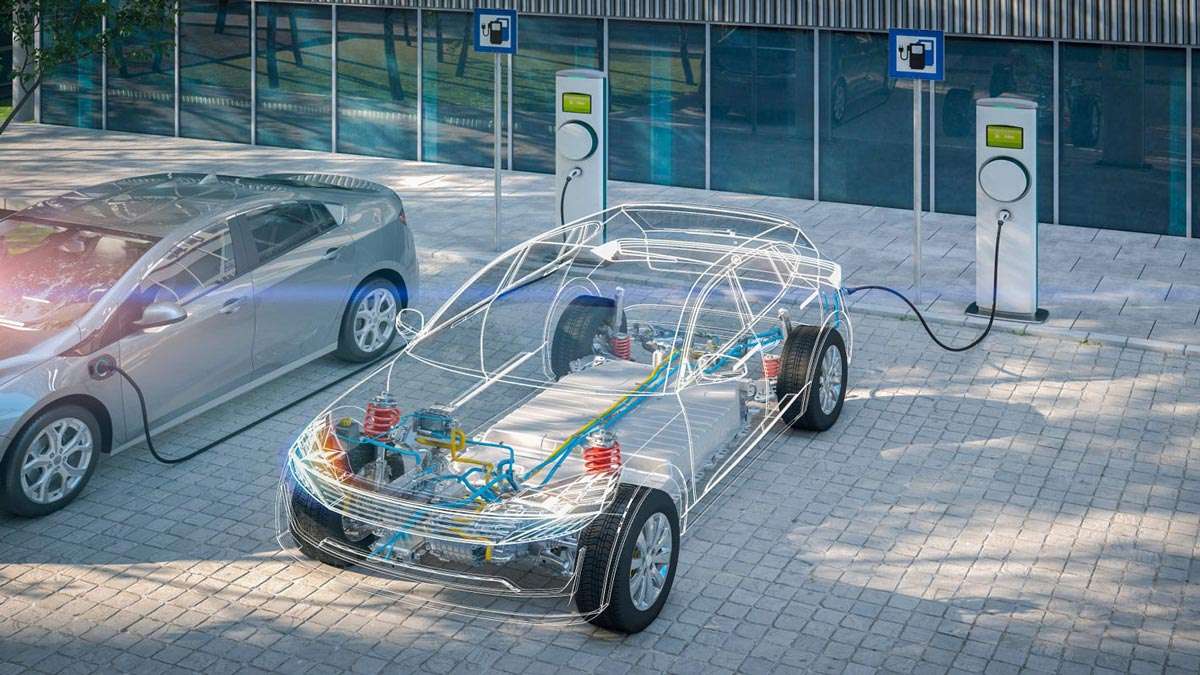
The heart of every electric vehicle (EV) is its battery pack, a complex and costly component that often becomes the single biggest source of anxiety for potential Indian buyers. Questions about how long the battery will last, what happens when it degrades, and the terrifying prospect of a replacement cost loom large over the decision to go electric. This “battery range anxiety” is a significant mental barrier, but it’s one based more on myth than modern reality.
This definitive guide aims to demystify EV battery life for the Indian consumer. We will break down the science behind battery degradation, explain the crucial warranty terms you must look for, provide realistic cost estimates for replacement, and offer practical, actionable tips to maximize your battery’s lifespan in Indian driving conditions. By the end of this article, you’ll be equipped with the knowledge to make a confident EV purchase and ensure your car’s battery remains healthy for years to come.
Understanding EV Battery Degradation: What Is It? Battery degradation is the gradual loss of a battery’s ability to hold a charge over time and use. Think of it like a smartphone battery that doesn’t last as long as it did when new, but on a much larger and slower scale. It’s a natural chemical process and cannot be completely avoided, but it can be managed.
Key Factors Causing Battery Degradation:
Cycle Age: One full charge cycle (0-100%) causes minor degradation. Modern EV batteries are rated for thousands of cycles.
Calendar Age: Batteries degrade slowly even if not used, primarily due to temperature.
Heat: This is the #1 enemy. High temperatures, common in India, accelerate chemical reactions that break down battery components.
Fast Charging: Frequent use of DC fast chargers puts more stress on the battery compared to slow AC charging at home.
Charging Habits: Consistently charging to 100% or draining to 0% puts strain on the battery.
Battery Warranty: Your Safety Net This is the most critical section for any buyer. Indian EV manufacturers offer a separate battery warranty, typically structured as:
Coverage: 8 years or 1,60,000 km (whichever comes first). Some brands are now offering longer warranties.
Retention Clause: The warranty guarantees that the battery will retain a certain percentage of its original capacity over the warranty period. The industry standard is 70% retention. This means if your car had a 300 km range when new, the manufacturer will intervene if the range drops below 210 km within the warranty period.
Always read the fine print of the battery warranty to understand the exact terms and conditions.
Realistic Battery Lifespan: How Long Will It Really Last? While the warranty covers 8 years, the actual functional life of an EV battery is much longer. Most industry experts and data from early EVs suggest:
A well-maintained battery should last between 12 to 15 years before degradation becomes significant enough to consider replacement.
After 8 years/1,60,000 km, you can expect a capacity loss of around 10-20%, meaning a 10-20% reduction in your maximum range. The car will still be perfectly usable for daily commutes.
The battery doesn’t “die” suddenly; it fades gradually, like the engine of an old petrol car losing its efficiency.
EV Battery Replacement Cost in India
This is the big question. While costs are falling rapidly, replacing an entire EV battery pack is expensive.
Current Estimate: The cost can range from ₹4 to ₹8 lakhs for a mainstream EV like a Tata Nexon EV or MG ZS EV, depending on the battery size.
Future Outlook: Battery costs are projected to fall by 5-10% annually. In 8 years, when you might need a replacement, the cost is likely to be significantly lower.
Alternative: Often, only a few modules within the pack may fail, not the entire pack. Replacement of individual modules is far more affordable than a full pack swap.
Tips to Maximize Your EV Battery Life in Indian Conditions
Avoid Regular 100% Charging: For daily use, set your charge limit to 80-90%. Charge to 100% only before a long trip. Most EVs allow you to set this limit via the infotainment system or app.
Don’t Drain to 0%: Try not to let the battery level drop below 20% regularly. Deep discharges are stressful for the battery.
Minimize Fast Charging: Use DC fast chargers only when necessary for long journeys. For daily charging, rely on a slow AC charger at home or work.
Park in Shade: Protect your car from direct sunlight whenever possible. Extreme heat while parked is a major degrader.
Pre-Cool While Plugged In: Before driving on a hot day, use the app to cool the cabin while the car is still plugged in. This uses grid power instead of the battery, preserving range and reducing stress.
Drive Smoothly: Avoid aggressive acceleration and heavy regenerative braking settings, as high current draw and intake can cause heat buildup.
Second-Life Applications for EV Batteries
When an EV battery degrades below 70% capacity for automotive use, it is not trash. These batteries still have significant life left for less demanding “second-life” applications, such as:
Backup power for homes and telecom towers.
Energy storage for solar power systems.
Powering street lights. This creates a recycling value chain, which will further reduce the environmental impact and long-term cost of ownership.
Conclusion
The fear of EV battery life is largely overstated for the modern car buyer. With robust warranty protections spanning 8 years and intelligent charging habits, your EV’s battery is designed to outlive the typical ownership period of most Indians. The key is to understand that a battery is a consumable component, much like a clutch or a set of tyres in an ICE car, but with a much longer and more predictable lifespan. By following the simple tips outlined above, you can ensure your EV remains a reliable and economical companion for the long haul, making the switch from petrol/diesel a truly smart decision.
FAQs
What is the average battery life of an electric car in India? The functional life of an EV battery in India is expected to be 12-15 years. The performance warranty, which guarantees usable capacity, typically covers 8 years or 1,60,000 km.
How much does it cost to replace a Tata Nexon EV battery? While official prices are not always published, estimates suggest a full battery replacement for a Tata Nexon EV could cost between ₹4 to ₹6 lakhs, depending on the model year and battery capacity. This cost is expected to decrease over time.
Is fast charging bad for my EV battery? Frequent use of DC fast charging can accelerate battery degradation compared to slow AC charging because it generates more heat and stress. It’s perfectly fine for occasional long trips, but for daily charging, slow charging is recommended for optimal battery health.
What happens to my EV battery after the warranty expires? After the warranty expires, the battery will continue to work but with reduced capacity. The car will still be driveable. You are not obligated to replace the battery immediately. You can continue using it until the reduced range no longer meets your needs, at which point you can explore replacement or selling the car.
Can an EV battery be repaired, or does it need full replacement? Often, an EV battery can be repaired. Battery packs are made of modules. If a problem occurs, technicians can diagnose and replace the specific faulty module(s), which is significantly cheaper than replacing the entire battery pack.
Tags: EV Battery Life, Electric Car Battery Degradation, EV Battery Warranty India, Battery Replacement Cost, Tata Nexon EV Battery, MG ZS EV Battery, How to Save EV Battery, EV Battery Health, Second Life EV Battery, EV Ownership Guide India.