
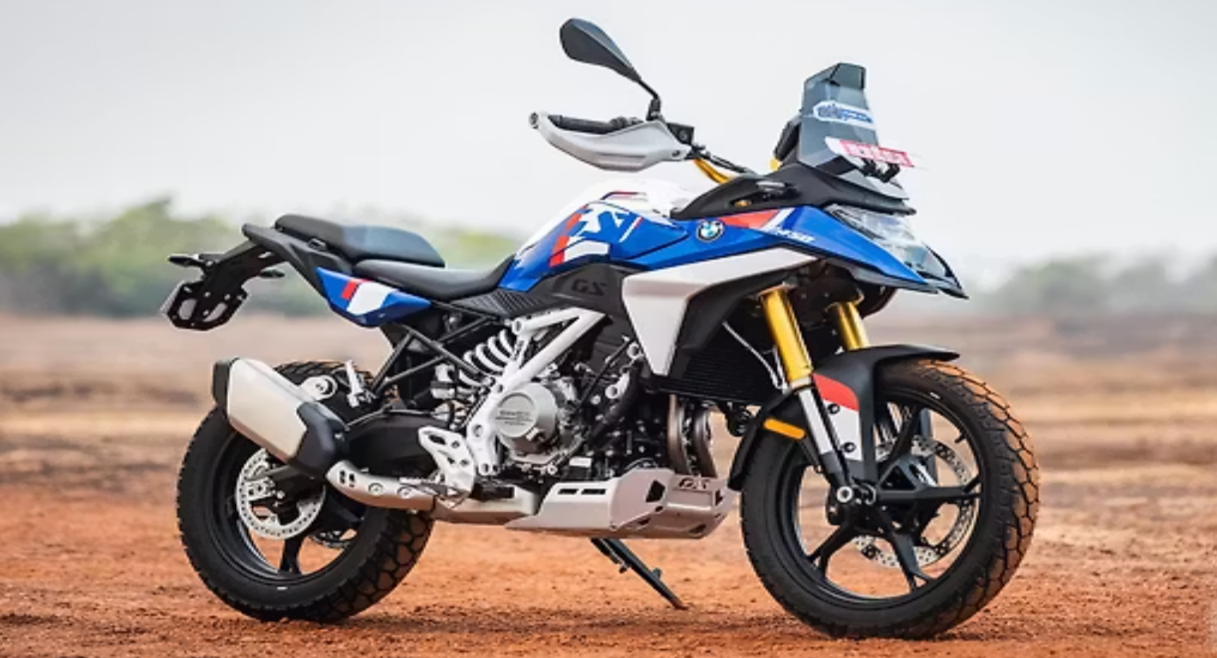
The BMW F 450 GS succeeds the BMW G 310 GS, representing a distinct shift in strategy rather than a standard incremental update. While the previous 310 model focused on accessibility, torque, and road-friendly manners, the new 450 GS targets elevated performance, enhanced off-road capabilities, and a more premium market positioning via its parallel-twin powerplant, aiming to attract buyers who might have overlooked the 310.
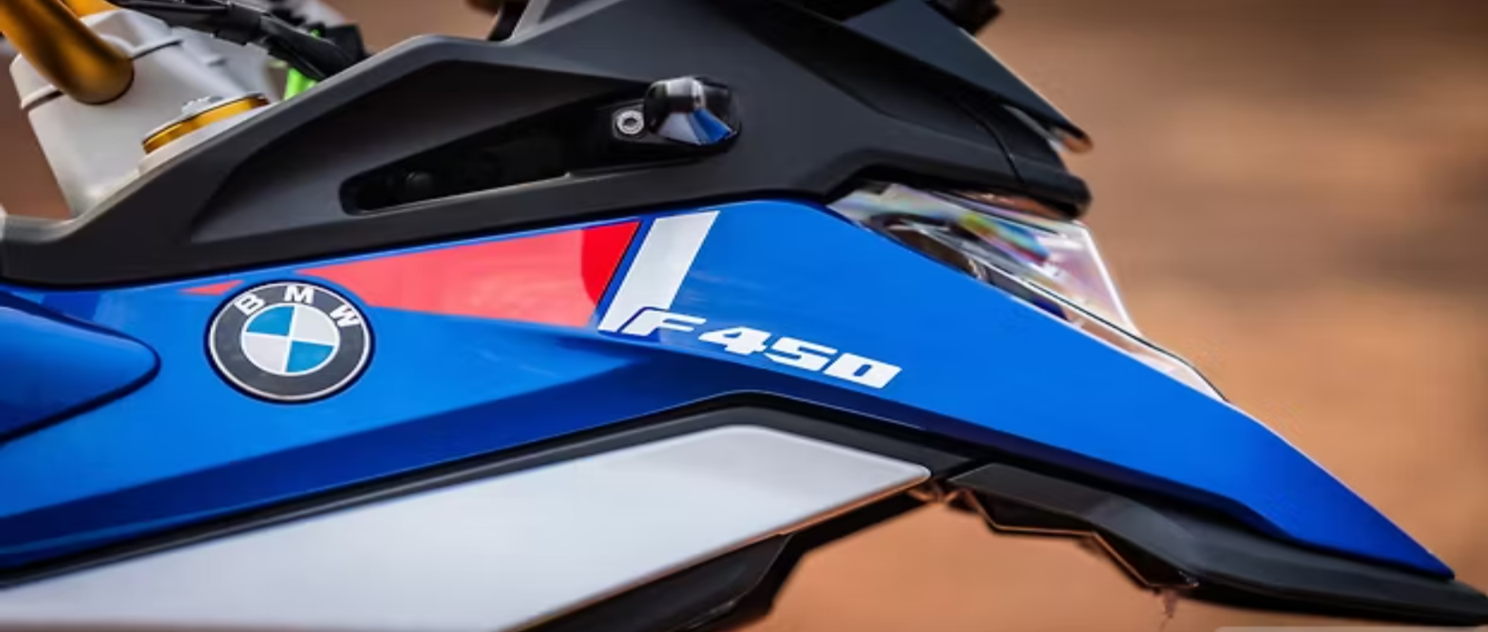
Offered in three distinct versions—Base, Exclusive, and GS Trophy—the pricing structure positions the motorcycle on the higher side of its segment in India. The Base and Exclusive trims come exclusively in a Black finish, whereas the Trophy edition is painted in BMW's signature blue-and-white livery. The motorcycle features a kerb weight of 178kg, a seat height of 845mm, a 14-litre fuel tank, and a claimed top speed of 165kmph.
Visuals and Design
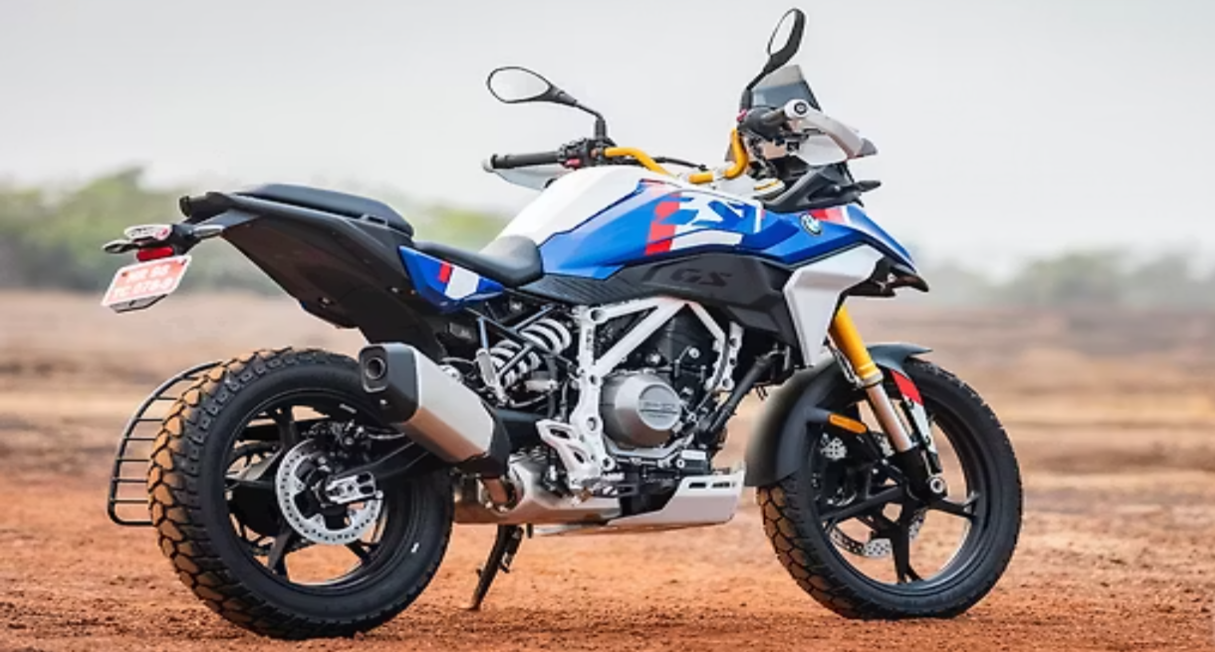
Styling cues are drawn directly from the larger BMW R 1300 GS, particularly noticeable across the front section leading toward the rider's seat. The overall stance is described as proportionate, lean, and taut, presenting a correct profile from nearly every viewing angle.
A minimalist design philosophy has been applied by the manufacturer. Beyond an elaborate fuel tank, the layout showcases exposed chassis components, bolts, and minimal bodywork. The frame, subframe, and fasteners remain visible, reinforcing an adventurous, go-anywhere aesthetic. Fit, finish, and execution quality are noted as solid with consistent build standards designed to withstand rough usage.
Engine and Specifications
At the heart of the machine sits a 420cc parallel-twin engine generating 48bhp and 43Nm of torque, with the bulk of torque arriving early between 3,000rpm and 3,500rpm. The motor employs a 135-degree firing order, deviating from the typical 270-degree layout. Power is managed via a six-speed transmission, and the GS Trophy variant integrates a centrifugal clutch known as the Easy Ride Clutch (ERC), which engages automatically at approximately 2,700rpm based on engine speed.
Suspension travel is rated at 180mm for both front and rear, operating alongside a 19-inch front and 17-inch rear wheel setup. The Trophy trim includes compression and rebound adjustability at the front, alongside rebound and preload adjustment at the rear. Stopping power is delivered by a 310mm front disc and a 240mm rear disc supported by dual-channel ABS, with the Trophy variant offering reduced rear ABS intervention in Enduro Pro mode.
Variants, Pricing and Features
| Variant | Price | Colour Option |
|---|---|---|
| Base | Rs. 4.7 lakh | Black |
| Exclusive | Rs. 4.9 lakh | Black |
| GS Trophy | Rs. 5.3 lakh | Blue-and-white livery |
The motorcycle is equipped with four riding modes—Rain, Road, Enduro, and Enduro Pro—which adjust throttle response, engine delivery, ABS, and traction control parameters. Feature highlights on the GS Trophy comprise ride-by-wire, riding modes, a quickshifter, a TFT display with Bluetooth connectivity, USB-C charging ports, BMW’s Multi-Controller interface, heated grips, and full LED lighting. Additionally, buyers can choose from a catalog of factory accessories including luggage systems, alternative seats, protective guards, and tubeless spoke wheels.
Ride Experience and Dynamics
Ergonomically, the machine provides a natural and comfortable posture whether sitting or standing. Despite an intimidating paper specification for seat height, the narrow mid-section and suspension sag accommodate riders around five feet eight inches tall comfortably, though the vertical seat-to-peg distance feels slightly tight.
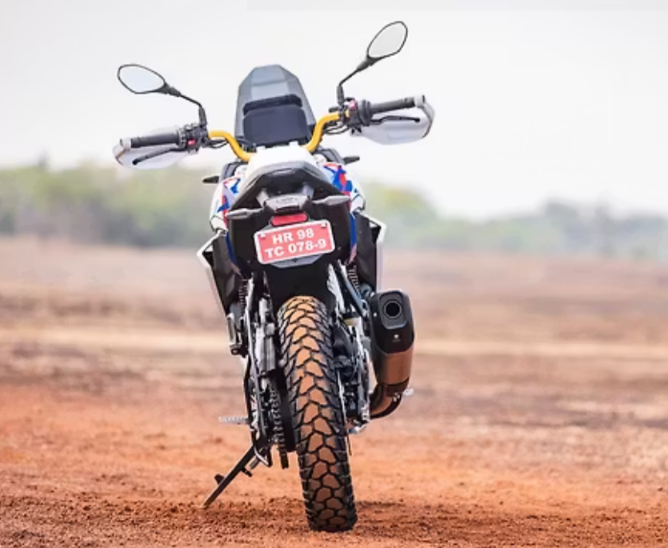
Ride quality remains controlled rather than plush. Low-speed compliance handles minor undulations well, while higher speeds reveal a firmer, well-managed chassis behavior. This translates to stable handling at triple-digit speeds on uneven roads like NH66 (Mumbai-Goa highway) and sharp, confident cornering. Brakes offer strong bite, progressive modulation, and minimal front-end dive.
Off-road performance benefits from Maxxis tyre grip, chassis feedback, and suspension composure across rocks and ruts. However, the Easy Ride Clutch (ERC) requires an adaptation period. Initial impressions highlight a lack of manual lever control, noisy engagement at 2,700rpm, and potential gear selection mismatches, though riders adapt over time to its utility in traffic and off-road scenarios. Inclines still demand careful throttle management due to the absence of a hill-hold function.