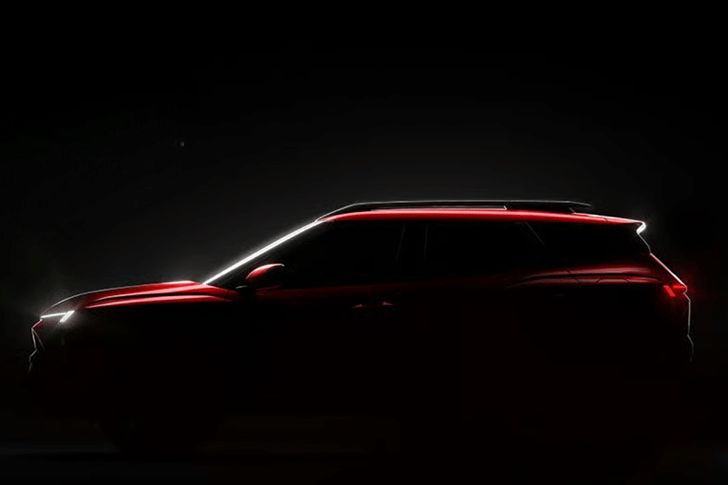
The India-spec Hyundai Bayon has been officially revealed ahead of its market introduction, bringing a heavy focus on software and technology to the midsize SUV segment. Scheduled to hit the market on 26 October, 2026, the vehicle is anticipated to carry an ex-showroom price tag ranging from Rs 9 lakh to 14 lakh. This model allows Hyundai to adopt a two-pronged strategy in the midsize SUV market, with the next-generation Creta expected to move higher up in positioning and offer a broader powertrain range including a hybrid. Reports differ slightly on exact power figures, noting either 113bhp or 115bhp.
Powertrain and Performance Specifications
Under the hood, the Bayon adopts the established 1.5-litre naturally aspirated four-cylinder petrol motor borrowed from the Creta. This powerplant puts out 144Nm of torque alongside either 113bhp or 115bhp depending on the source details, and works with manual (6MT) and CVT gearbox options. While unconfirmed by official statements at this stage, a CNG variant incorporating an underbody tank is anticipated to join the lineup later, potentially making the Bayon the first Hyundai model exceeding four metres in length to use CNG.
The vehicle is designed to compete against rivals such as the Maruti Victoris and the Maruti Grand Vitara in the competitive midsize crossover market. By occupying the lower rungs of this space with economical powertrain choices, it provides efficient options for buyers looking for daily usability.
Interior Design and Cabin Layout
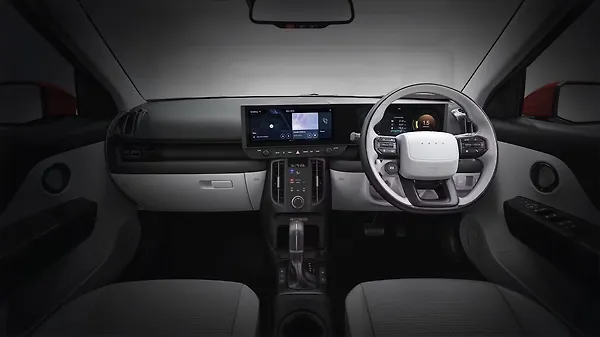
The cabin design draws clear inspiration from the Brazil-spec new i20, featuring a tech-forward layout equipped with a dual 12.3-inch curved display setup that integrates the digital instrument cluster and touchscreen infotainment system. Directly underneath these screens sits a vertical HVAC control panel. The interior maintains a practical mix of physical interfaces, including shortcut buttons below the touchscreen, steering wheel controls, haptic buttons on the centre console, and a standalone pod on the steering wheel dedicated to the drive mode selector.
Official images indicate the presence of climate control, electric mirrors, power windows, an auto-dimming IRVM, and advanced driver assistance systems (ADAS). Additional comfort provisions include an electric sunroof, front-seat ventilation, a 360-degree camera, and USB-C ports.
AI Voice Assistance and Connected Technology
A major highlight of the interior is the inclusion of a generative AI voice assistant, marking a first for any Hyundai vehicle in the Indian market. Powered by Perplexity AI and accelerated via NVIDIA with voice recognition from SoundHound AI, the system processes conversational prompts to build travel itineraries, offer live weather updates, and suggest dining, shopping, and pit-stop locations alongside real-time sports scores. The voice assistant incorporates 500 commands and handles English, Hindi, Hinglish, Tamil, Bengali, Telugu, 10 regional languages, and two international languages.
Connectivity is bolstered by Hyundai Bluelink, which provides over 70 features including remote start-stop functions, connected car information, location tracking, navigation, split-screen capabilities, smartphone-like quick controls, smartwatch compatibility, and over-the-air (OTA) updates. While the software-defined vehicle approach aims to keep drivers focused on the road and minimize screen interaction, questions remain regarding cloud computing structures, data protection, and the handling of sensitive information through third-party AI frameworks.
- Dual 12.3-inch connected display cluster
- Generative AI voice assistant with multi-language support
- Bluelink connected tech with over 70 features and OTA updates
- Electric sunroof and front-seat ventilation
- 360-degree camera and USB-C ports
Market Position and Buyer Outlook
The upcoming launch provides prospective buyers with an alternative in the crowded midsize SUV segment, emphasizing digital connectivity and advanced cabin technology. While the integration of generative AI aims to improve safety by reducing manual screen operation, buyers will need to consider data privacy implications tied to third-party AI models. The vehicle's anticipated competitive pricing and familiar engine options aim to attract buyers seeking modern tech features without moving into higher pricing tiers.