
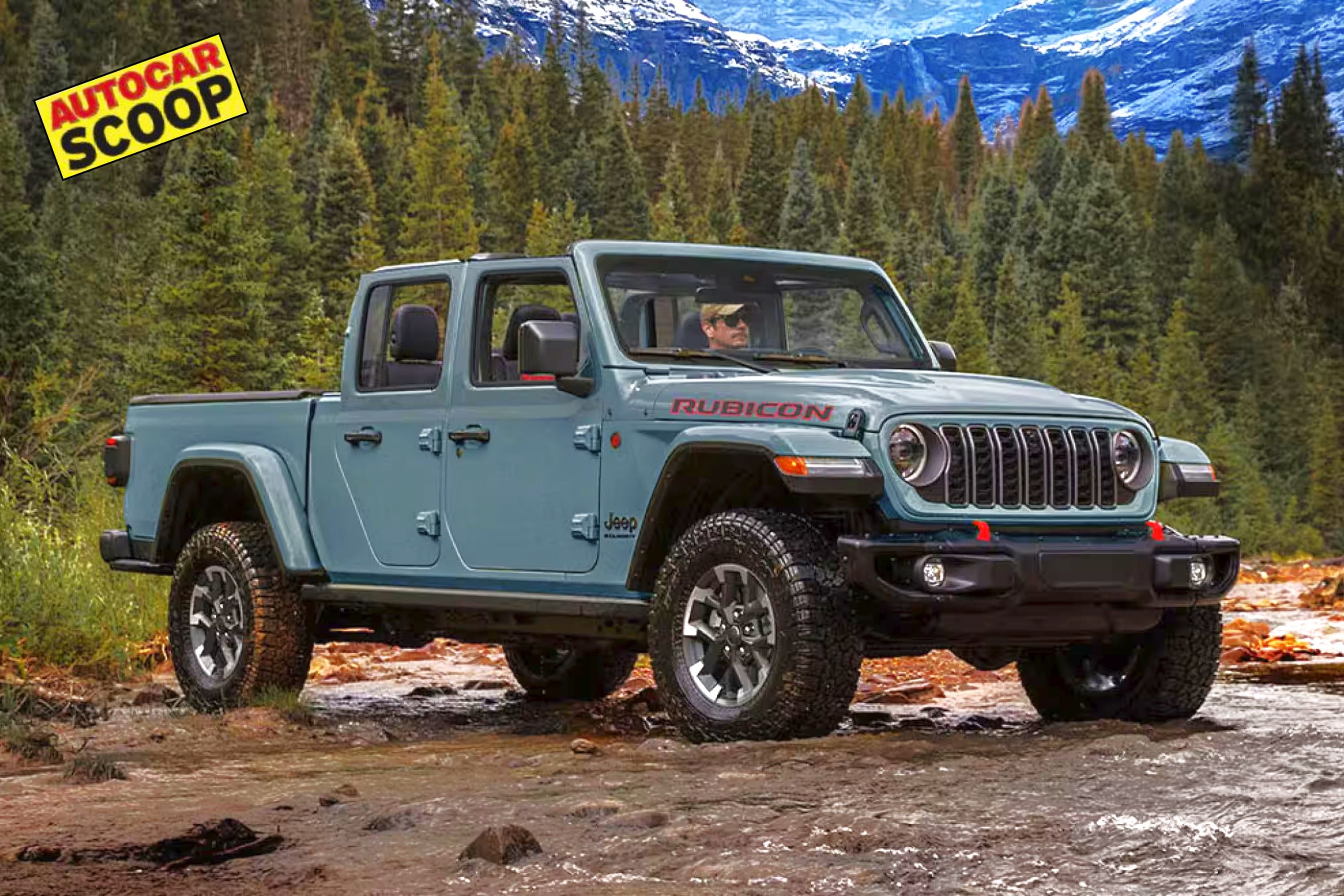
Stellantis India has disclosed plans for a product offensive that includes five Jeep models arriving over the next four years. Although specific vehicle names were not detailed, the automaker verified that a premium pickup is included in the lineup, which is understood to be the Jeep Gladiator.
Platform and Assembly Strategy
The Gladiator is anticipated to be among the initial rollouts and will likely enter the country via the CKD route. This assembly method mirrors how the brand currently handles the Grand Cherokee and the Wrangler, sharing the same JL architecture with the latter.
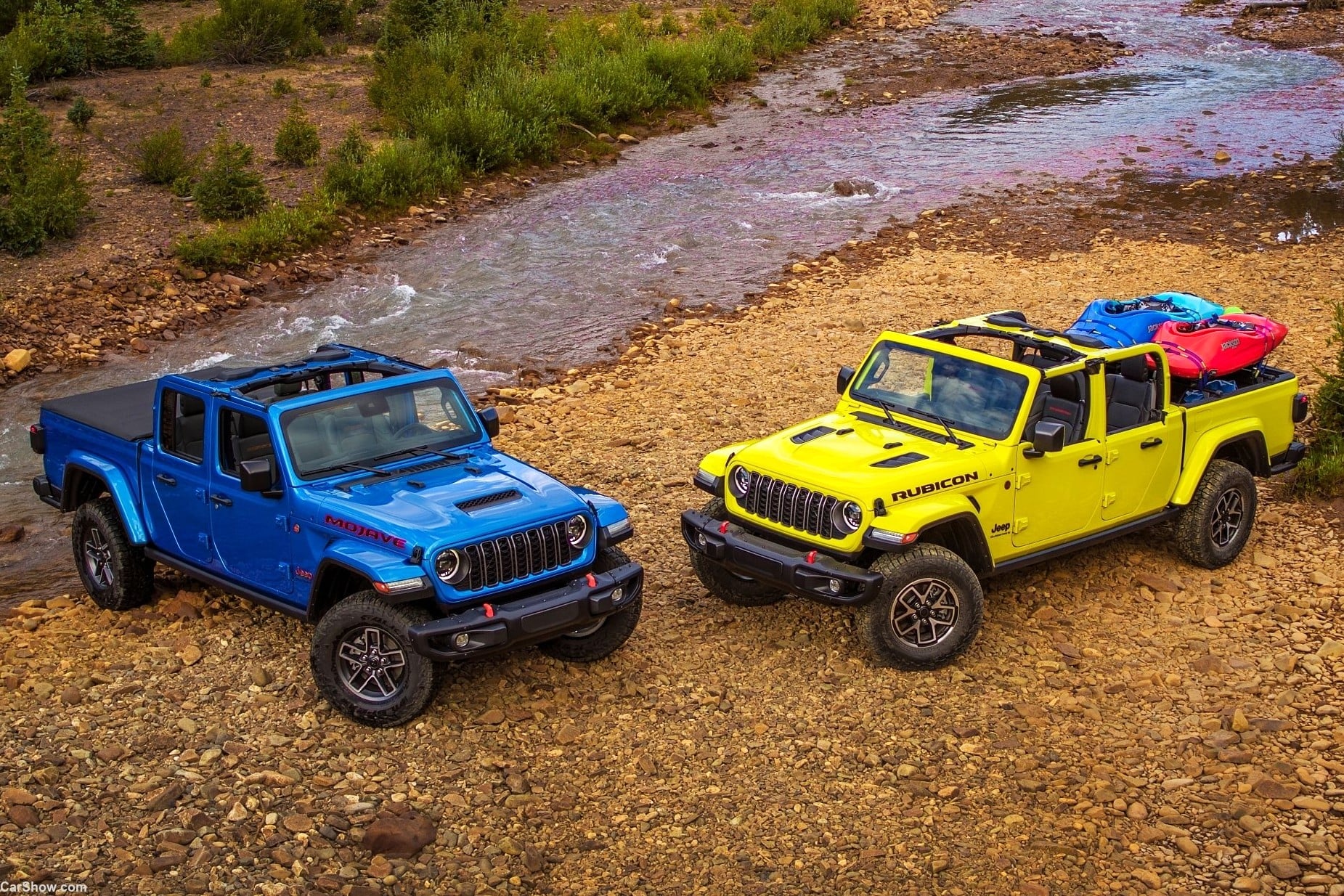
In its domestic United States market, the vehicle relies on a 3.6-litre V6 petrol configuration, which stands as a potential option for India alongside a standard 4x4 setup. Because of the shared platform with the Wrangler, the manufacturer might also evaluate employing the Wrangler’s 2.0-litre direct-injection four-cylinder turbo-petrol motor for the Indian version.
Dimensions and Market Positioning
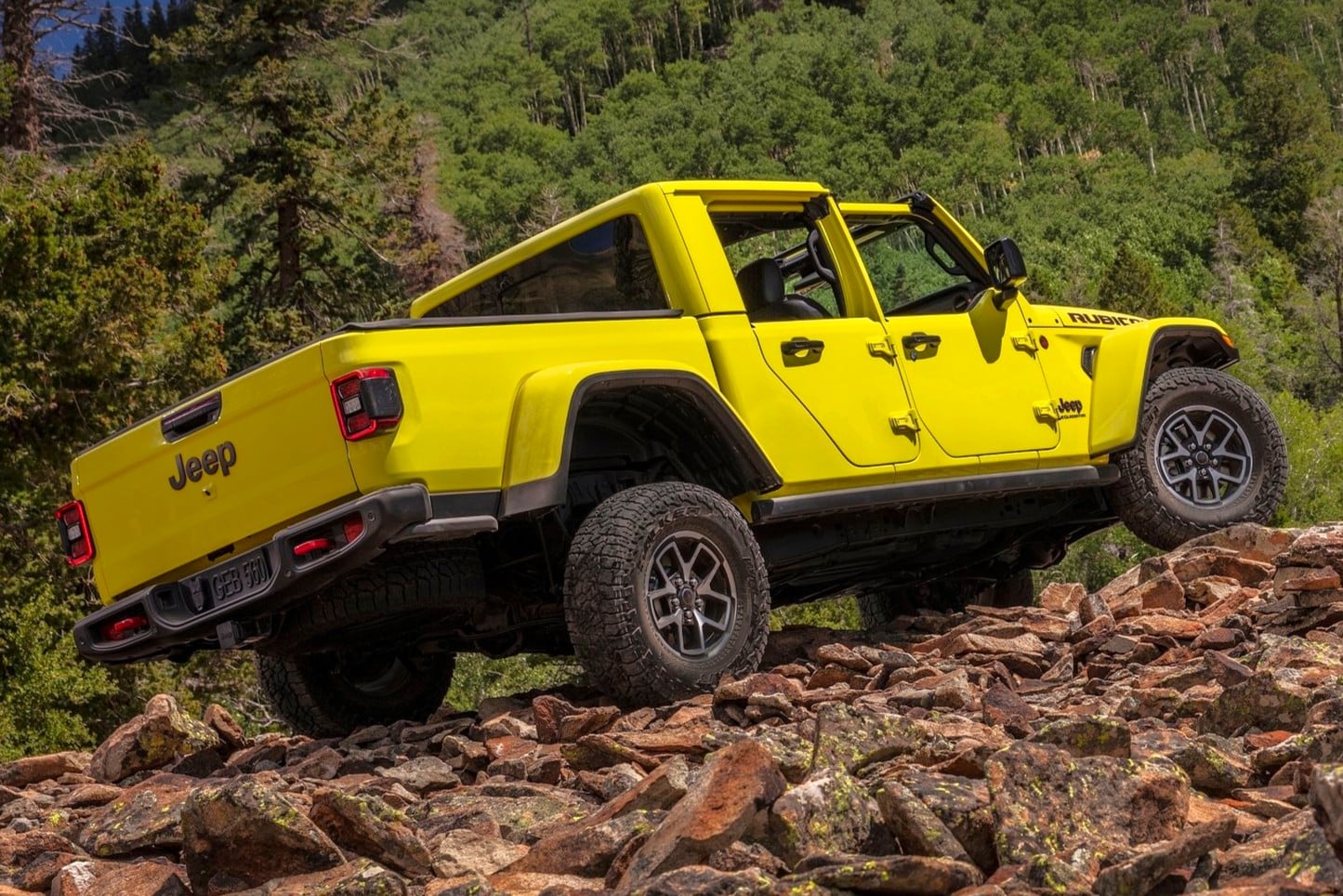
Since the Gladiator and the four-door Wrangler carry similar price tags in the US, the pickup is projected to cost around Rs 70 lakh in India. This estimate places it significantly above the Toyota Hilux, though the Gladiator exceeds 5.5 metres in length, making it larger than the Hilux which measures just over 5.3 metres.
| Model | Length | Potential Engine Options | Estimated Price |
|---|---|---|---|
| Jeep Gladiator | Over 5.5 metres | 3.6-litre V6 petrol / 2.0-litre turbo-petrol | Around Rs 70 lakh |
| Toyota Hilux | Just over 5.3 metres | Not specified | Lower than Gladiator |
Retail Network and Outlook
Lifestyle pickups represent a niche sector domestically, though consumer interest is growing alongside recent entries like the Toyota Hilux, Isuzu D-Max V-Cross, and Mahindra's announced Scorpio Lifestyler. Due to the elevated pricing tier, sales volumes for the vehicle are expected to remain modest.
To support future launches, the company is actively upgrading its sales and service network. The Stellantis Brand House framework is intended to drive expansion into Tier 2, Tier 3, and Tier 4 markets where future demand is anticipated.