
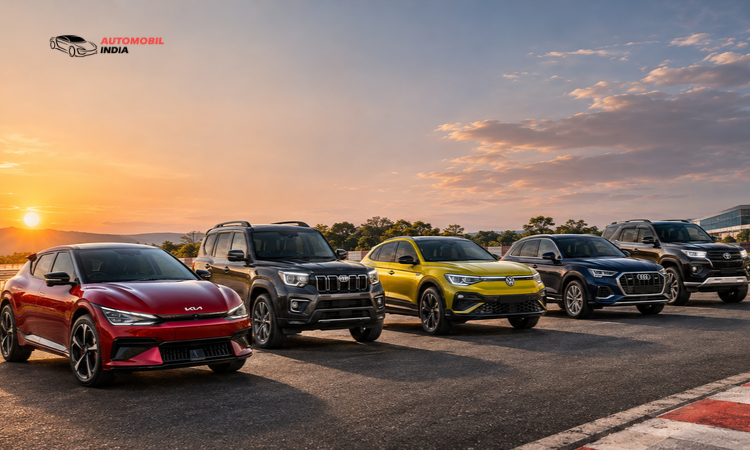
A ₹40 lakh budget in India can now buy much more than a comfortable family SUV. It can get you into electric performance territory, with dual-motor all-wheel-drive models producing more than 300hp, or into powerful petrol and diesel SUVs that offer strong highway performance and traditional long-distance flexibility.
The definition of a powerful car has also changed. In a conventional petrol or diesel vehicle, buyers usually look at engine output and torque. In an electric car, motor output is delivered almost instantly, so the way power is experienced can be very different. A 280hp EV may feel considerably quicker off the line than a similarly powered combustion-engine SUV.
For this list, we have ranked ten cars that are on sale in India and have at least one variant below ₹40 lakh ex-showroom. The ranking is based primarily on the highest power output available within the model range under this price ceiling. It includes electric, petrol and diesel vehicles. Prices are indicative ex-showroom figures and can change by city, variant, taxes and manufacturer updates. A model is not eligible if the particular high-output variant crosses the ₹40 lakh ceiling.
Top 10 most powerful cars under ₹40 lakh: Quick comparison
|
1 |
VinFast VF7 Sky / Sky Infinity AWD |
353hp |
500Nm |
₹26.19–26.79 lakh |
|
2 |
Tata Harrier EV QWD |
313hp |
504Nm |
Top QWD variant below ₹40 lakh |
|
3 |
Mahindra BE 6 (79kWh) |
286hp |
380Nm |
Top 79kWh variant below ₹30 lakh |
|
4 |
Mahindra XEV 9e (79kWh) |
286hp |
380Nm |
₹21.90–30.50 lakh range |
|
5 |
Mahindra XEV 9S (79kWh) |
286hp |
380Nm |
₹19.95–29.45 lakh range |
|
6 |
Škoda Kodiaq 2.0 TSI |
204PS |
320Nm |
From ₹36.99 lakh |
|
7 |
Toyota Fortuner 2.8 diesel |
204PS |
420–500Nm |
Diesel variants from about ₹35.40 lakh |
|
8 |
Mahindra Scorpio-N 2.0 turbo-petrol |
203hp |
370–380Nm |
₹13.69–25.49 lakh |
|
9 |
BYD Atto 3 |
201hp |
310Nm |
₹24.99–34.49 lakh |
|
10 |
Mahindra XUV700 2.0 turbo-petrol |
200PS |
380Nm |
Within ₹40 lakh |
Note: Power figures are not perfectly interchangeable when one source quotes PS and another quotes hp. The ranking uses published peak output as a practical guide, not a laboratory comparison. The VF7 and Harrier EV figures refer to their dual-motor/high-output variants. Confirm that the exact variant is available and priced below ₹40 lakh in your city before booking.
1. VinFast VF7: The power leader under ₹40 lakh
The VinFast VF7 takes the top position in this selection. In its Sky and Sky Infinity all-wheel-drive versions, the electric SUV uses a dual-motor setup producing a combined 353hp and 500Nm. That is a substantial output for a vehicle whose ex-showroom price remains below ₹30 lakh.
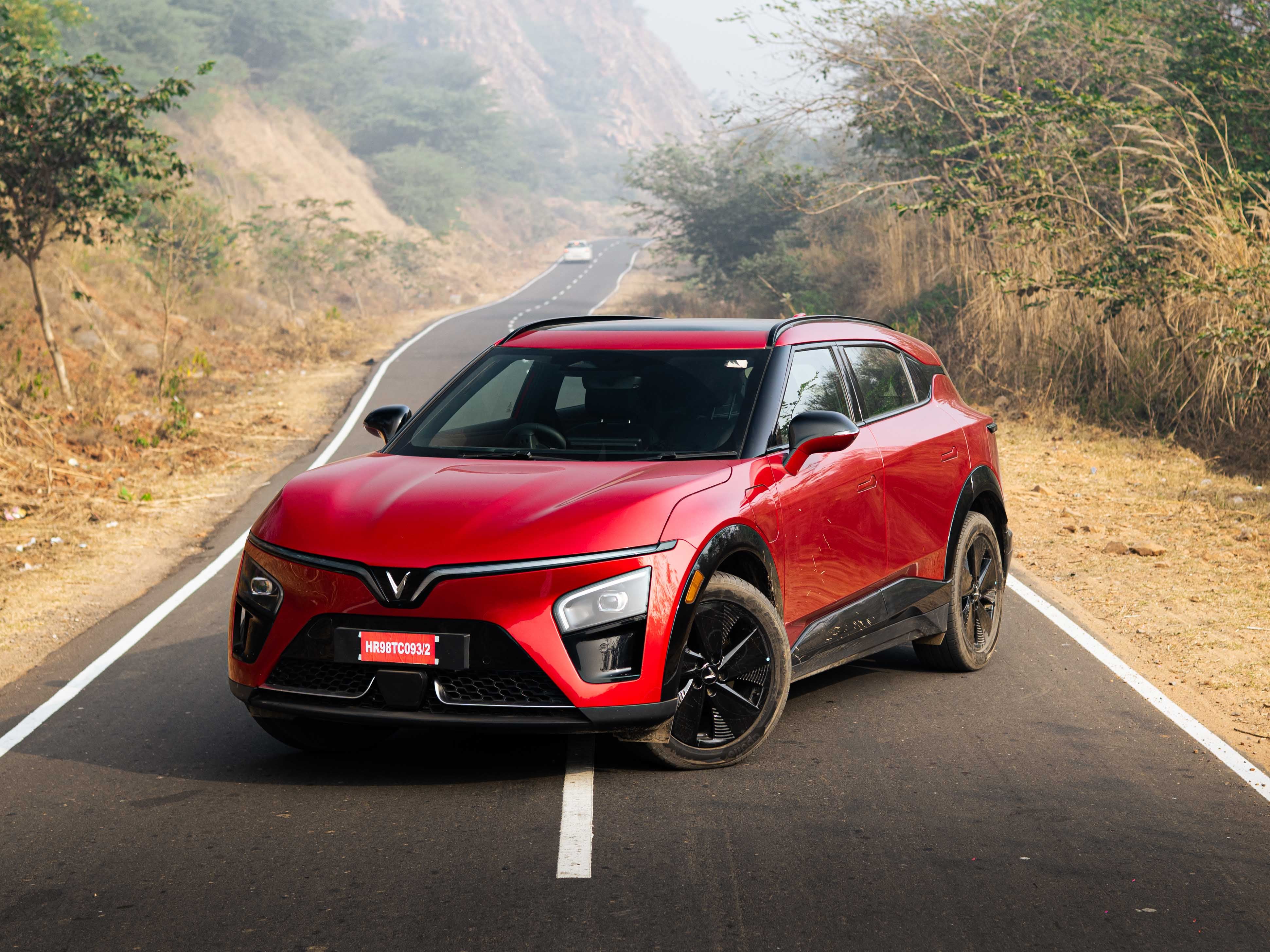
The dual-motor layout gives the VF7 the advantage of all-wheel drive as well as strong acceleration. The top AWD version is claimed to reach 100kph in around 5.8 seconds, placing it firmly in performance-SUV territory. Its 70.8kWh battery is paired with a claimed range figure that varies by variant and test cycle.
The trade-offs are worth considering. The most powerful version is the expensive end of the VF7 range, and buyers should evaluate its real-world range, ride comfort, service reach and charging access rather than focusing only on the headline output. For someone who wants the highest power figure in this budget, however, the VF7 is difficult to ignore.
2. Tata Harrier EV: 313hp with electric all-wheel drive
The Tata Harrier EV is one of the most interesting performance SUVs in this price bracket. Its 75kWh battery can be paired with a dual-motor QWD configuration, with a combined output of 313hp and 504Nm. The front motor adds drive to the front axle, making this the most powerful Harrier EV configuration.
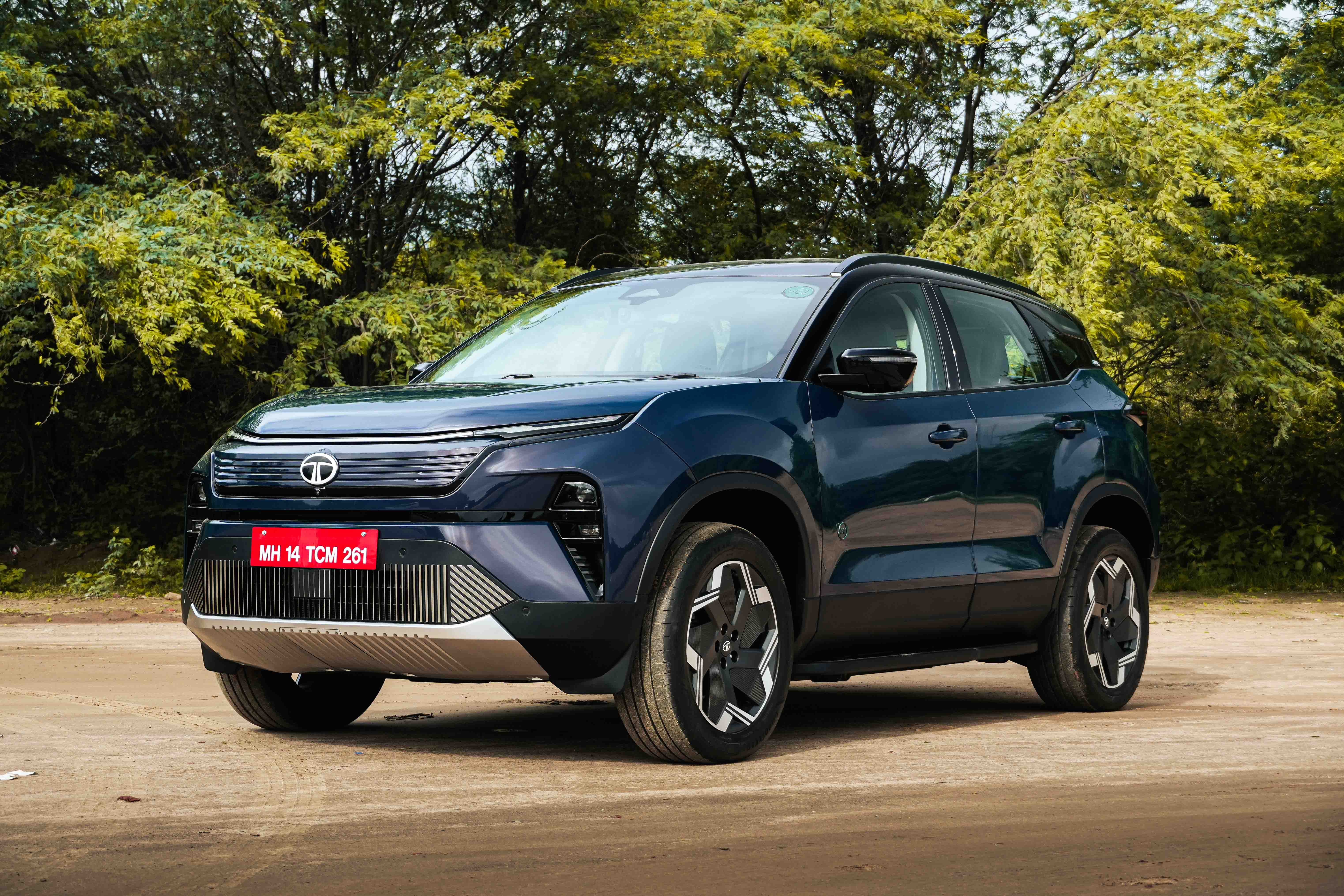
The Harrier EV's appeal is not only its power. It combines a familiar large-SUV footprint with an electric platform, a spacious five-seat cabin and a claimed range that is competitive for the segment. The QWD variant also brings additional traction capability, although it should not be mistaken for a hardcore off-roader.
The rear-wheel-drive versions produce less power but may offer a more affordable way into the Harrier EV range. Buyers who want the full 313hp experience should check the exact QWD variant price, equipment and availability. The top QWD version remains below the ₹40 lakh ex-showroom limit in current published pricing.
3. Mahindra BE 6: Performance-focused electric SUV
The Mahindra BE 6 is built around the brand's INGLO electric architecture and is offered with different battery packs. The 79kWh version produces up to 286hp and 380Nm, with power sent to the rear wheels through a single-speed transmission.
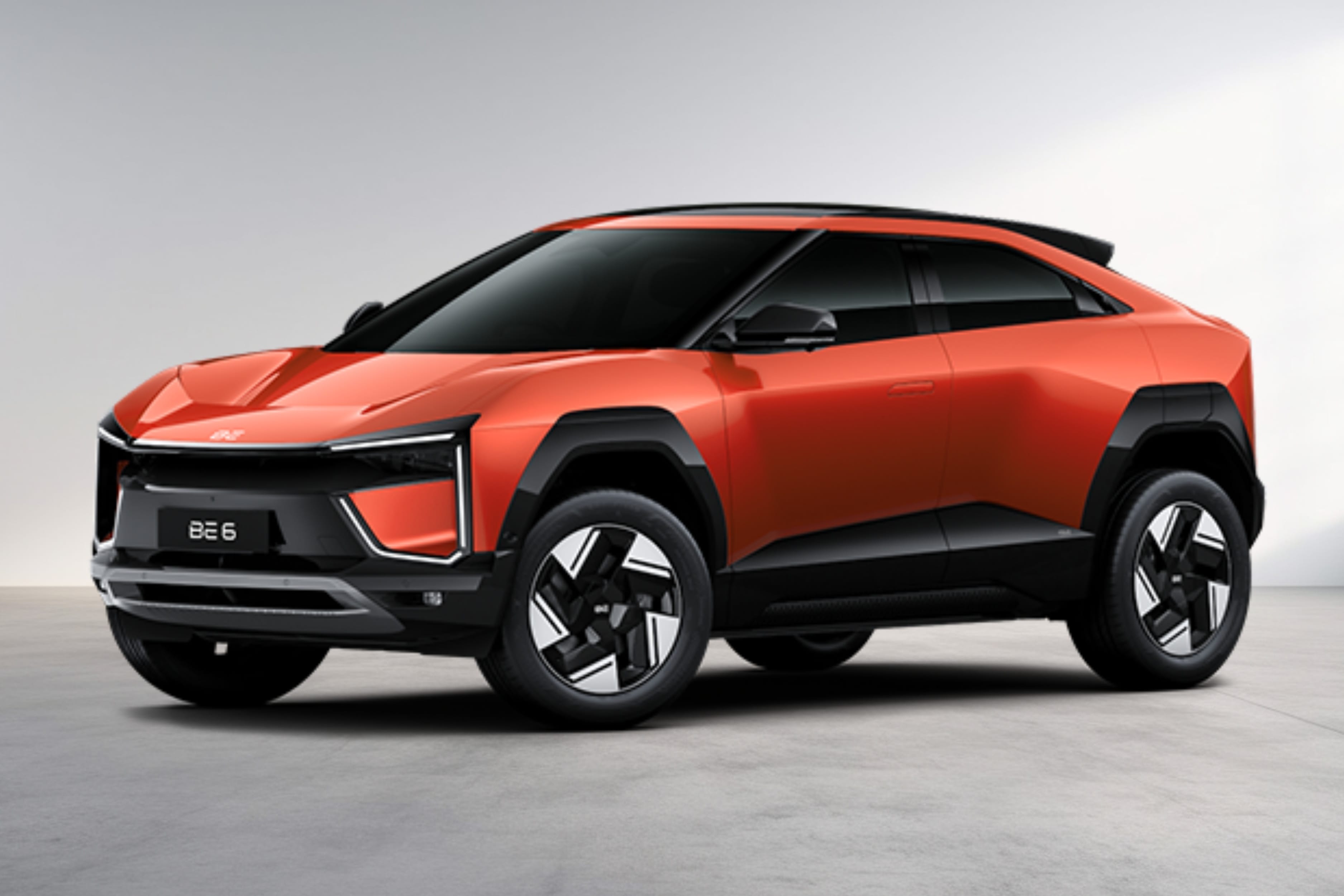
Its coupe-like shape, low-slung stance and rear-wheel-drive layout give it a more driver-focused character than a conventional family SUV. The instant torque response is particularly useful for quick overtakes and rapid acceleration from low speeds.
The BE 6 is also offered with smaller battery options at lower prices. Buyers should distinguish between the output of the 59kWh and 79kWh versions and should not assume every trim delivers the maximum power figure. If performance is the priority, the larger-battery variant is the one to shortlist.
4. Mahindra XEV 9e: Big power with a premium cabin
The Mahindra XEV 9e shares its core electric architecture with the BE 6 but takes a more premium, coupe-SUV approach. Its 79kWh version develops 286hp and 380Nm from a rear-mounted motor. Mahindra quotes a 0–100kph time of 6.8 seconds for the higher-output version.
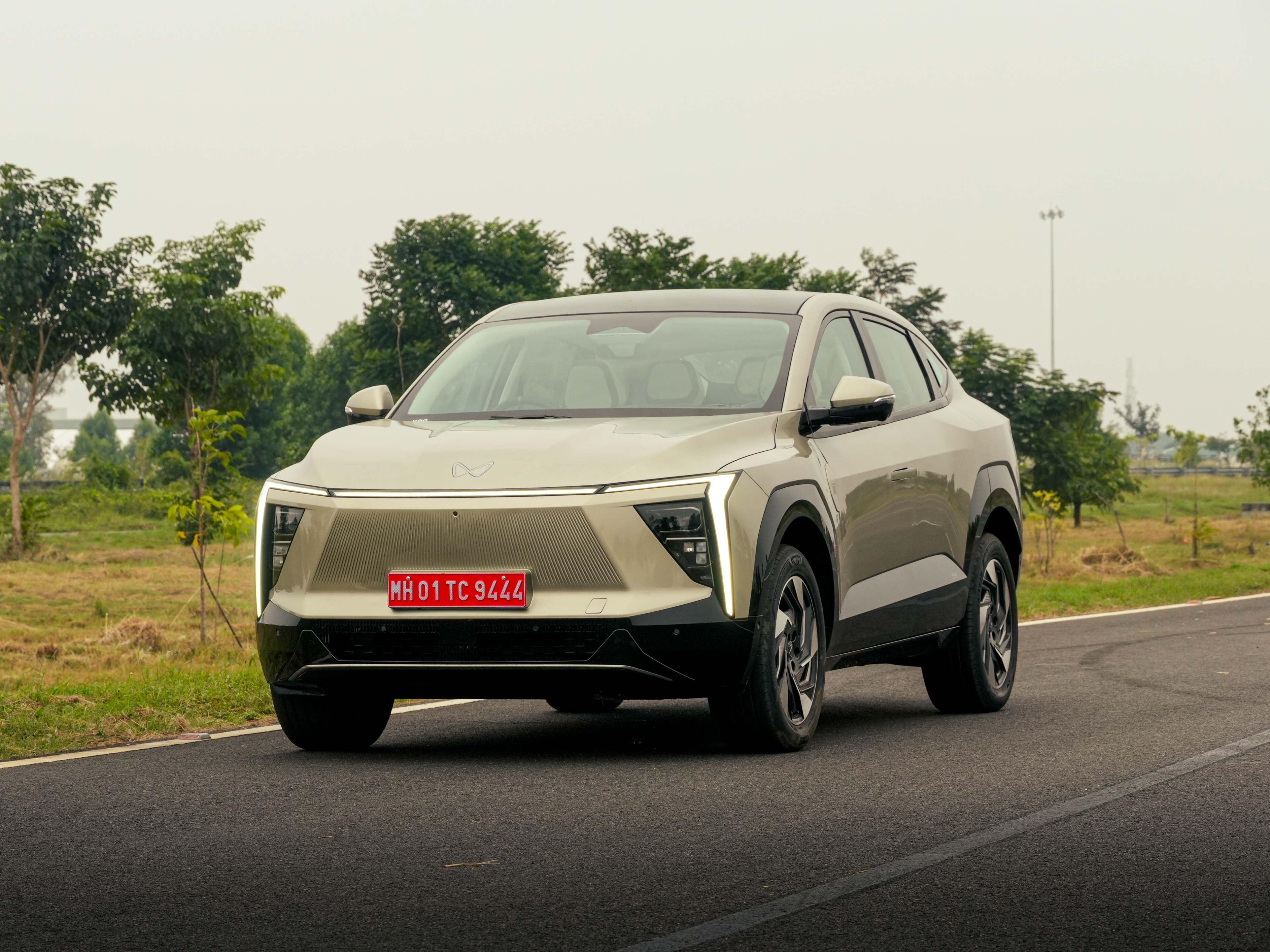
Its strengths include strong straight-line performance, a large cabin, a substantial boot and a technology-rich dashboard. The XEV 9e is aimed at buyers who want performance but also need a comfortable family vehicle for daily use and longer journeys.
The 59kWh versions cost less but have a lower power output. The 79kWh variant remains under the ₹40 lakh ex-showroom ceiling, making the XEV 9e one of the most powerful and premium electric SUVs in this budget.
5. Mahindra XEV 9S: 286hp and three-row practicality
The XEV 9S brings the same high-output 79kWh rear-wheel-drive electric setup to a three-row SUV body. Its top battery configuration produces 286hp and 380Nm, while smaller battery options use lower-output motors.
Unlike the BE 6 and XEV 9e, the XEV 9S is designed for buyers who need additional seating. It offers a third row, making it a rare option for families who want a powerful electric SUV without moving into luxury-car pricing.
The third row should be assessed in person, particularly if adults will use it regularly. The XEV 9S is also a large vehicle, so buyers should consider home parking dimensions and charging arrangements. On paper, though, it combines one of the strongest power outputs in the segment with genuine family flexibility.
6. Škoda Kodiaq: 2.0-litre turbo-petrol performance
For buyers who still prefer a combustion engine, the Škoda Kodiaq offers a strong alternative. Its 2.0-litre TSI turbo-petrol engine produces 150kW, equivalent to 204PS, and 320Nm. A seven-speed DSG dual-clutch automatic transmission is standard across the range.
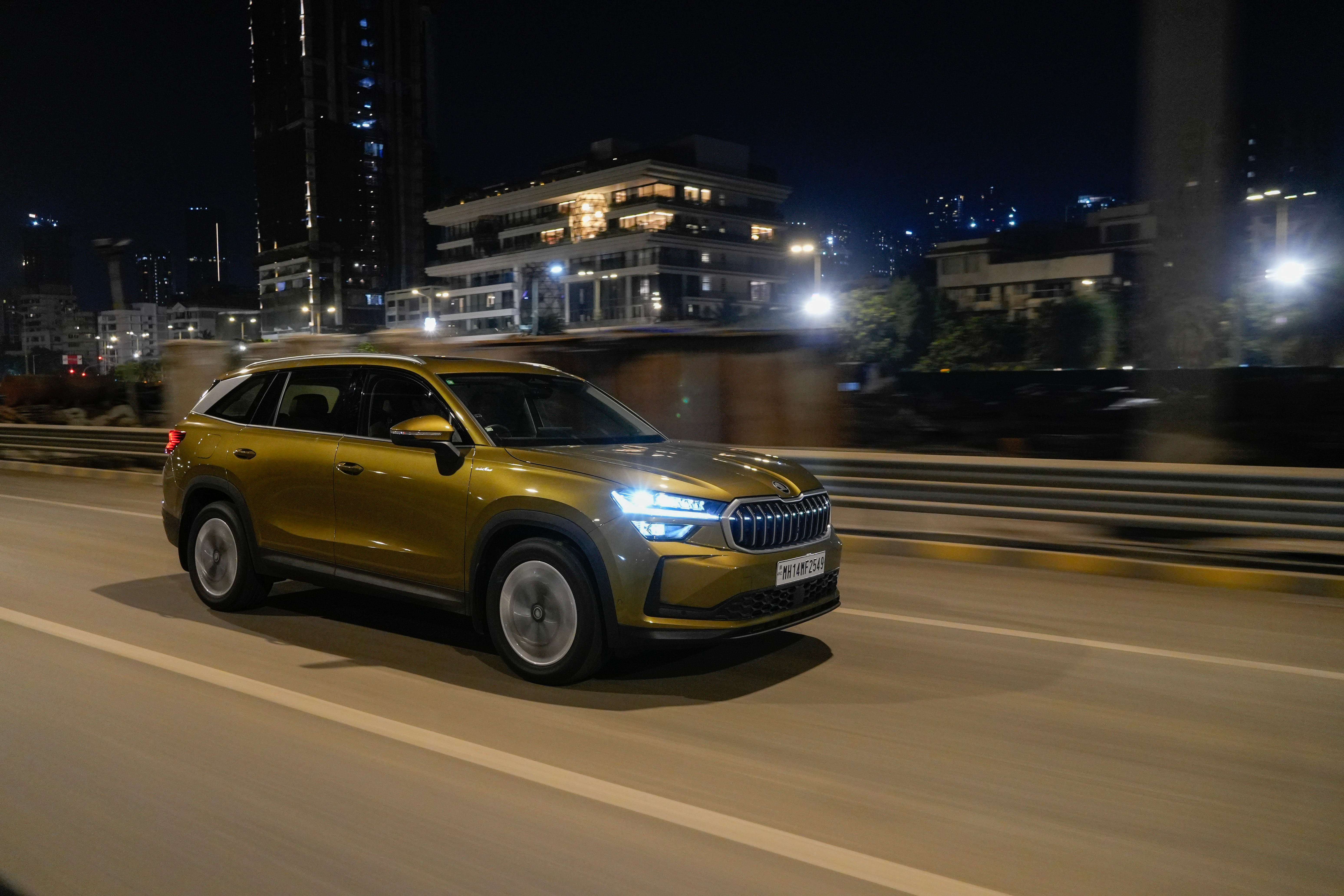
The Kodiaq delivers its power through a conventional petrol engine, so the driving experience is different from the instant response of an EV. The turbocharged engine is designed to provide strong mid-range performance, making it suitable for highway cruising and confident overtaking.
Škoda announced updated Kodiaq pricing from ₹36.99 lakh ex-showroom in May 2026. Not every trim or equipment package will necessarily sit below ₹40 lakh, so check the exact variant quotation. It is one of the few premium European SUVs whose entry version sits within this budget.
7. Toyota Fortuner: 204PS diesel and strong torque
The Toyota Fortuner remains a familiar choice for buyers who want a ladder-frame SUV with a powerful diesel engine. Its 2.8-litre turbo-diesel produces 204PS. Torque is rated at 420Nm with the manual gearbox and 500Nm with the automatic.
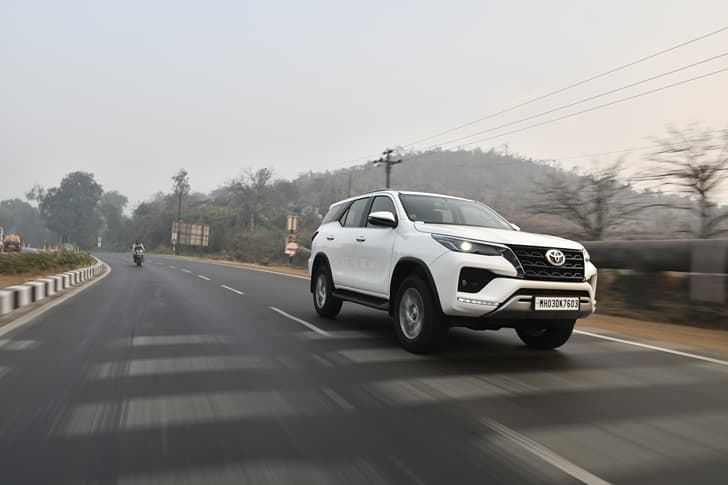
The Fortuner's strength is not just peak power. The diesel engine delivers substantial torque at low engine speeds, which suits highway overtaking, carrying passengers and driving on challenging surfaces. Select diesel variants also offer four-wheel drive, although the higher 4WD automatic and Legender versions exceed the ₹40 lakh ceiling.
The standard Fortuner diesel 4x2 variants are priced below ₹40 lakh ex-showroom, making the 204PS engine accessible within this list's budget. The petrol version is less powerful, so buyers seeking maximum output should look at the diesel range.
8. Mahindra Scorpio-N: 203hp turbo-petrol muscle
The Mahindra Scorpio-N is one of the most powerful petrol SUVs available well below ₹40 lakh. Its 2.0-litre mStallion turbo-petrol engine produces around 203hp and up to 380Nm, depending on the transmission. Buyers can choose a six-speed manual or a six-speed torque-converter automatic.
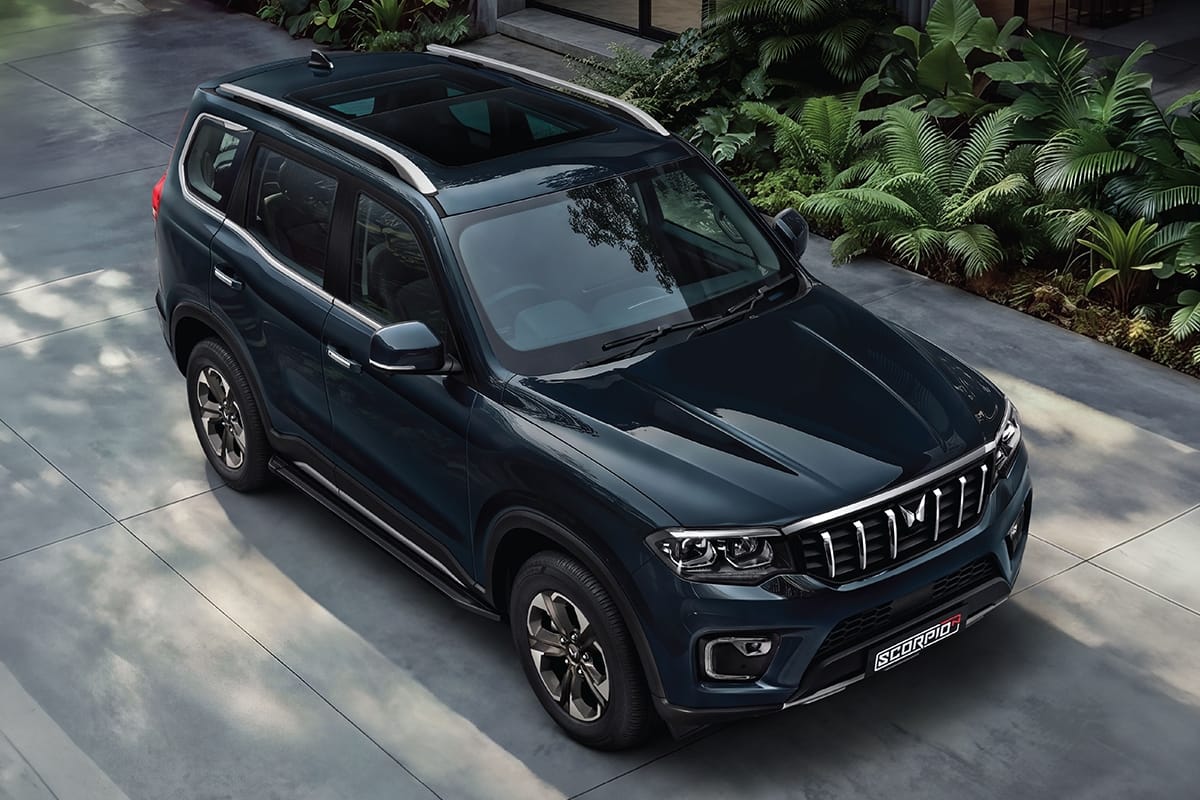
The Scorpio-N uses a body-on-frame platform and has a distinctly different character from monocoque crossovers. It feels substantial on the road and offers strong acceleration from the turbo-petrol engine. The diesel engine is also available, but its higher-output tune is less powerful than the petrol.
The Scorpio-N makes sense for buyers who want a rugged SUV with strong petrol performance, an optional automatic gearbox and the possibility of four-wheel drive on selected diesel variants. Its ride and handling character is more traditional SUV than sporty crossover.
9. BYD Atto 3: Smooth electric power and everyday usability
The BYD Atto 3 uses a front-mounted electric motor producing around 201hp and 310Nm. It is not as powerful as the dual-motor VinFast or the larger Mahindra and Tata EVs above, but its output is still strong for a family electric SUV.
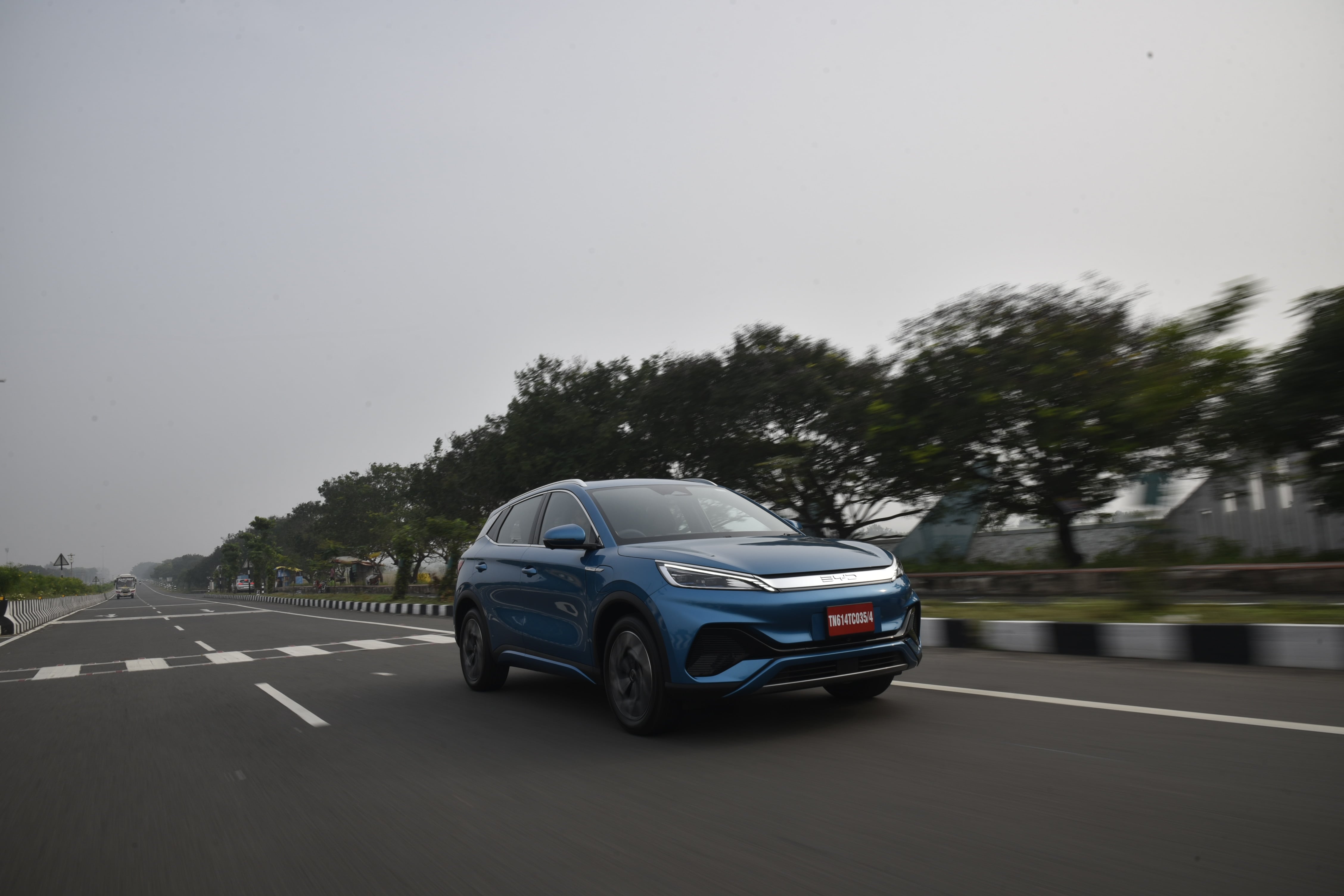
The 60.48kWh battery version offers a claimed range of up to 521km, depending on the certification figure and variant. The Atto 3 is known for smooth power delivery, a comfortable cabin and a feature-rich equipment package. It is more focused on refined everyday performance than outright acceleration.
Its price range extends from ₹24.99 lakh to ₹34.49 lakh ex-showroom, keeping the entire range within the budget. Buyers should compare the Atto 3 with the Mahindra BE 6 and XEV 9e, particularly on charging, range, cabin space, warranty and local service support.
10. Mahindra XUV700: 200PS turbo-petrol family SUV
The Mahindra XUV700 rounds out the list with its 2.0-litre turbo-petrol engine, which produces 200PS and 380Nm. It is paired with either a six-speed manual or a six-speed torque-converter automatic, depending on the variant.
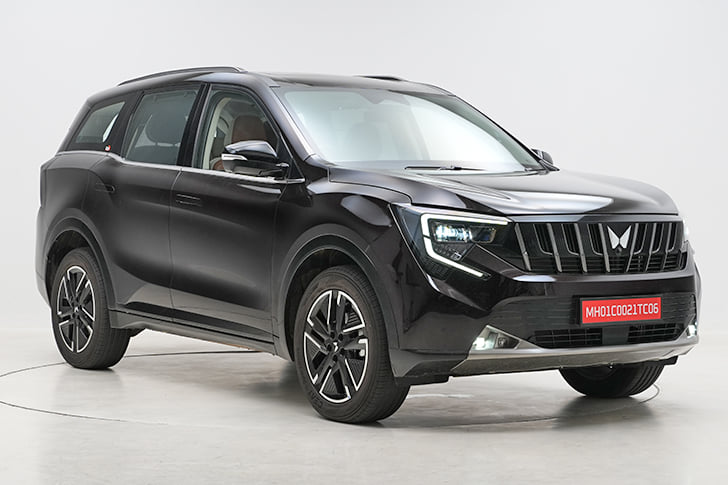
The XUV700 is a strong option for buyers who want a conventional petrol SUV with three-row availability, substantial performance and a broad variant range. Its engine has enough power for confident highway driving, even with passengers on board.
Unlike the electric models in this list, the XUV700 can be refuelled quickly and does not require home charging. Its running costs, however, will depend on the petrol price and driving conditions. Buyers who cover high annual distances should compare the petrol version with the diesel before deciding.
Electric vs petrol vs diesel: Which kind of power suits you?
The headline power figure does not tell the whole story. Electric cars deliver maximum torque very quickly, which makes them feel responsive from a standstill. They can be exceptionally quick in city traffic and during short bursts of acceleration. However, charging access, battery range, charging time and long-distance route planning should be part of the buying decision.
Turbo-petrol engines such as those in the Scorpio-N, XUV700 and Kodiaq deliver their strongest performance through revs and boost. They are more familiar to buyers who regularly travel long distances and prefer quick refuelling. Diesel engines such as the Fortuner's 2.8-litre unit offer strong low-speed torque, which is useful for heavy vehicles and relaxed highway cruising.
A buyer who wants the fastest response in traffic may prefer an EV. Someone who regularly drives long distances without predictable charging may prefer petrol or diesel. The best choice depends on the use case, not only the peak output.
What should you check before buying a powerful car under ₹40 lakh?
-
Confirm the exact variant price. A model may start below ₹40 lakh while its most powerful trim may cost more.
-
Check on-road price separately. Registration, insurance, road tax and optional accessories can push the final bill well above the ex-showroom price.
-
Test the power delivery. A short test drive can reveal throttle response, gearbox behaviour, ride comfort and braking feel.
-
Compare torque as well as power. Torque delivery and the vehicle's weight affect how strong a car feels in everyday driving.
-
Consider tyres and brakes. High power is useful only when the car can put it down safely and stop consistently.
-
Check ownership support. For EVs, verify home-charger installation, public charging access, warranty terms and service coverage.
-
Do not overlook safety. Check the exact variant's airbags, ESC, braking equipment and independently tested crash-safety information.
Which is the best powerful car under ₹40 lakh?
If outright power is the only priority, the VinFast VF7 AWD leads this selection with 353hp. The Tata Harrier EV QWD follows with 313hp, while the Mahindra BE 6, XEV 9e and XEV 9S offer up to 286hp. These EVs provide instant torque and strong acceleration, but they require buyers to plan around charging.
For a powerful petrol SUV, the Mahindra Scorpio-N and XUV700 are compelling options. The Škoda Kodiaq offers a more premium European SUV experience, while the Toyota Fortuner diesel combines a strong 204PS output with substantial torque and a rugged ladder-frame platform.
For buyers who want a single recommendation, there isn't one universal winner. The VF7 is the headline power choice; the Harrier EV and Mahindra EVs offer strong alternatives with different body styles and cabin priorities; and the Fortuner, Scorpio-N, Kodiaq and XUV700 remain relevant for buyers who prefer combustion engines.
Conclusion
The under-₹40-lakh performance-car market in India has become far more diverse. Electric SUVs now dominate the top end of the power table, with the VinFast VF7, Tata Harrier EV and Mahindra's INGLO-based models offering outputs that would have been unusual at this price just a few years ago.
Traditional SUVs have not lost their appeal. The Škoda Kodiaq, Toyota Fortuner, Mahindra Scorpio-N and XUV700 continue to offer strong petrol or diesel performance, familiar refuelling convenience and different kinds of long-distance capability.
Before choosing, compare the exact variant, real-world performance, safety equipment, ownership costs and service support. The most powerful car on paper is not automatically the best car for your daily use. Choose the powertrain and body style that fit your driving pattern, and take a proper test drive before booking.