
Introduction
In the Indian automotive market, where car ownership represents a significant financial investment, understanding resale value is crucial for making informed purchasing decisions. A vehicle’s resale value not only affects your total cost of ownership but also reflects the brand’s reputation, reliability, and market perception. While some cars depreciate rapidly, losing substantial value within the first few years, others demonstrate remarkable value retention, protecting your investment over time. This comprehensive guide explores the complex dynamics of car resale values in India, identifying which brands and models hold their value best and providing actionable strategies to maximize your vehicle’s worth when it’s time to sell.
The concept of resale value extends beyond mere brand loyalty; it encompasses factors like maintenance costs, spare parts availability, fuel efficiency, and even regional preferences. In a price-sensitive market like India, where many buyers consider pre-owned vehicles as their first car, understanding these nuances can mean the difference between significant financial loss and optimal value recovery. This article delves deep into the Indian used car ecosystem, examining current trends, brand performances, and practical tips to ensure you get the best possible return on your automotive investment.
Factors That Determine Car Resale Value in India
Brand Reputation and Perception
The brand image plays a pivotal role in determining resale value. Established brands with a history of reliability and strong after-sales service typically command higher resale prices. Maruti Suzuki and Toyota, for instance, have built decades of trust among Indian consumers, translating directly into better value retention. Luxury brands like Mercedes-Benz and BMW also maintain strong resale values due to their premium positioning and loyal customer base.
Model Popularity and Demand
High-demand models in the used car market naturally retain better value. Vehicles like the Maruti Swift, Hyundai Creta, and Toyota Innova consistently feature high on used car buyers’ wish lists, ensuring strong resale prices. The law of supply and demand works strongly here – popular models that sell well when new continue to be sought after in the pre-owned market, creating a virtuous cycle of value retention.
Maintenance and Running Costs
Indian used car buyers are particularly sensitive to maintenance costs. Vehicles with affordable spare parts and low service costs retain value better. Maruti Suzuki dominates this aspect with its widespread service network and economical maintenance, while some European brands struggle due to higher maintenance expenses. The availability of genuine spare parts and the cost of regular servicing significantly influence long-term value retention.
Fuel Type and Efficiency
With fluctuating fuel prices, fuel-efficient vehicles maintain stronger resale values. Diesel vehicles traditionally held better value due to their fuel efficiency, though recent regulatory changes and the shift toward electrification have altered this dynamic. Petrol vehicles with excellent mileage figures, especially in the compact segment, now command premium resale prices. The emerging electric vehicle market presents a new challenge in resale value assessment, with technology evolution impacting depreciation rates.
Vehicle Condition and Service History
A well-maintained vehicle with complete service history from authorized service centers can command 10-15% higher resale value. Regular servicing, timely part replacements, and proper documentation create buyer confidence and justify premium pricing. Vehicles with accidents in their history, even if properly repaired, typically suffer significant value depreciation.
Mileage and Age
Lower mileage vehicles naturally fetch better prices, though the relationship isn’t always linear. The first year typically sees the highest depreciation (15-25%), followed by gradual decreases. After five years, depreciation rates tend to stabilize. The optimal selling period for maximizing value retention is typically between three to five years of ownership.
Color and Variant
Surprisingly, color choice affects resale value. Neutral colors like white, silver, and grey generally have broader appeal and better resale value than unconventional colors. Higher variants with more features also tend to retain value better proportionally, though the absolute depreciation might be higher.
Regional Preferences
Resale values can vary significantly across different regions in India. Diesel vehicles traditionally commanded better value in North India, while automatic transmissions are increasingly preferred in metropolitan areas with heavy traffic. Understanding regional preferences can help in timing and positioning your vehicle sale optimally.
Top Brands with Best Resale Value in India
Maruti Suzuki: The Undisputed Leader
Maruti Suzuki has consistently dominated the resale value charts in India. The brand’s unparalleled service network, low maintenance costs, and excellent spare parts availability make it the preferred choice for used car buyers. Models like the Swift, Dzire, and Vitara Brezza regularly achieve 65-70% value retention after three years. The brand’s strong foothold in both urban and rural markets ensures consistent demand across the country.
Toyota: The Reliability Champion
Toyota vehicles are renowned for their bulletproof reliability and exceptional build quality. The Innova Crysta and Fortuner have achieved legendary status in the used car market, often commanding near-new prices even after several years of use. Toyota’s focus on quality and durability translates into exceptional value retention, with some models retaining up to 75% of their value after three years.
Hyundai: The Feature-Rich Contender
Hyundai has successfully positioned itself as a premium mass-market brand with excellent resale values. Models like the Creta and i20 combine modern features with reasonable maintenance costs, appealing to younger used car buyers. The brand’s continuous innovation and strong marketing presence contribute to healthy value retention across its portfolio.
Kia: The Rising Star
Despite being a relatively new entrant in the Indian market, Kia has demonstrated impressive resale value retention. The Seltos and Sonet have quickly gained popularity in the used car market, benefiting from modern design, feature-rich offerings, and growing service network. Kia’s warranty packages and customer-focused approach have bolstered buyer confidence in their pre-owned vehicles.
Mahindra: The SUV Specialist
Mahindra maintains strong resale values in the SUV segment, particularly with models like the Scorpio and XUV700. The brand’s rugged image and proven reliability in challenging conditions appeal to specific buyer segments. Recent models with improved refinement and features have further strengthened their resale value proposition.
Honda: The Premium Mainstream
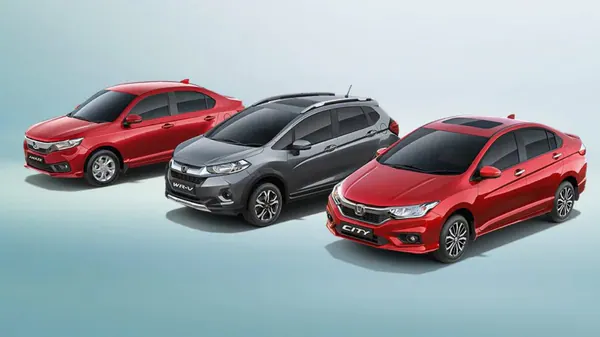
Honda vehicles, particularly the City and Amaze, maintain respectable resale values due to their refined engines and premium positioning. While maintenance costs are slightly higher than mass-market brands, the driving experience and build quality justify the premium in the used car market.
Models with Exceptional Resale Value
Toyota Fortuner: The King of Resale
The Fortuner demonstrates almost unbelievable value retention, often commanding 80-85% of its original value after three years. Its rugged reliability, premium positioning, and aspirational value make it virtually depreciation-proof in the Indian market.
Maruti Suzuki Swift: The Mass Market Hero
The Swift consistently maintains 65-70% value retention after three years, remarkable for a mass-market hatchback. Its sporty design, reliable performance, and low running costs ensure perpetual demand in the used car market.
Hyundai Creta: The SUV Sensation
The Creta has redefined value retention in the compact SUV segment, regularly achieving 70-75% value retention after three years. Its feature-rich package, modern design, and strong brand backing make it a used car market favorite.
Toyota Innova Crysta: The Family Favorite
The Innova Crysta maintains exceptional resale value due to its unparalleled reliability, spacious interior, and reputation as the ultimate family vehicle. Its depreciation curve is among the flattest in the Indian automotive market.
Mahindra Scorpio: The Rugged Performer
The Scorpio’s recent iterations have significantly improved value retention, combining traditional ruggedness with modern features. Its strong presence in both urban and rural markets ensures consistent demand.
Strategies to Maximize Your Car’s Resale Value
Maintain Complete Service History
Keep all service records and receipts in an organized manner. Regular servicing at authorized service centers significantly enhances buyer confidence and justifies a premium price. Digital service records maintained by manufacturers are particularly valuable as they cannot be tampered with.
Preserve Original Parts and Features
Avoid aftermarket modifications that might not appeal to all buyers. Keep original parts and consider reversing any major modifications before selling. Factory-fitted features generally add more value than aftermarket installations.
Address Minor Repairs Promptly
Small issues like broken switches, malfunctioning lights, or minor scratches can significantly impact perceived value. Address these issues before putting the car up for sale, as the cost of repairs is usually much lower than the value loss from presenting a poorly maintained vehicle.
Keep Detailed Maintenance Records
Maintain a log of all repairs, part replacements, and insurance claims. Transparency about the vehicle’s history builds trust and can help command a better price. Include details of any major component replacements and warranty extensions.
Choose the Right Time to Sell
Market timing can significantly impact resale value. Consider selling before major model updates or facelifts, as new launches can depress prices of previous generations. Seasonal demand patterns, such as increased SUV demand before festival seasons, can also be leveraged.
Presentation Matters
Invest in professional cleaning and detailing before showing the car to potential buyers. A well-maintained interior, clean engine bay, and polished exterior create positive first impressions. Address minor cosmetic issues and consider paint correction if necessary.
Be Strategic About Mileage
While you can’t change the total mileage, you can time your sale before crossing psychological thresholds (like 40,000 km or 60,000 km). Plan your usage and sale timing to present the most attractive mileage figure possible.
Understand Market Dynamics
Research current market prices for similar models in your area. Factors like new car discounts, fuel price changes, and regulatory updates can affect used car prices. Stay informed about industry trends to choose the optimal selling time.
The Impact of Vehicle Type on Depreciation
SUV Segment
SUVs generally experience slower depreciation compared to sedans and hatchbacks. The ongoing popularity of SUVs in the Indian market ensures strong demand across price segments. Compact SUVs particularly demonstrate excellent value retention.
Sedan Segment
Sedans have faced increasing depreciation pressure due to the SUV boom. However, premium sedans and established models like the Honda City and Hyundai Verna still maintain respectable resale values.
Hatchback Segment
Mass-market hatchbacks from Maruti Suzuki and Hyundai maintain stable depreciation patterns due to consistent demand from first-time buyers and urban commuters. Premium hatchbacks face steeper depreciation but appeal to specific buyer segments.
Luxury Segment
Luxury vehicles experience significant initial depreciation but then stabilize. German luxury brands particularly maintain strong residual values due to their brand prestige and certified pre-owned programs.
Emerging Trends in Resale Values
Electric Vehicles
The EV segment presents a new challenge for resale value assessment. Rapid technology evolution and battery degradation concerns currently lead to higher depreciation rates. However, established brands with reliable battery technology are beginning to demonstrate better value retention.
Certified Pre-Owned Programs
Manufacturer-certified pre-owned programs have significantly improved resale values for participating brands. These programs offer buyers assurance and warranty protection, justifying premium pricing for certified vehicles.
Digital Platforms Impact
Online used car platforms have brought transparency and efficiency to the used car market, potentially improving realization values for sellers through wider reach and competitive bidding.
Future Outlook
The Indian used car market is evolving rapidly, with increasing organization and transparency. As new car prices continue to rise, the demand for quality used vehicles is expected to grow, potentially improving resale values across segments. The transition to electric mobility and changing consumer preferences will continue to reshape depreciation patterns in the coming years.
Conclusion
Understanding and maximizing your car’s resale value requires a strategic approach throughout the ownership period. While brand choice significantly influences value retention, how you maintain and present your vehicle plays an equally important role. By choosing models with proven value retention, maintaining them meticulously, and timing your sale strategically, you can significantly reduce your total cost of ownership. The Indian used car market’s continued growth and increasing transparency present excellent opportunities for informed owners to maximize their returns when transitioning to their next vehicle.
FAQs
1. How much depreciation is normal in the first year?
Most cars depreciate 15-25% in the first year, with luxury vehicles and less popular models at the higher end of this range. Popular models from brands like Maruti and Toyota might experience only 15-20% depreciation.
2. Which car segment has the best resale value in India?
Compact SUVs currently demonstrate the best resale value, followed by premium hatchbacks and reliable sedans. The Mahindra Thar and Toyota Fortuner particularly show exceptional value retention.
3. Does color really affect resale value?
Yes, neutral colors like white, silver, and grey typically have broader appeal and better resale value. Unconventional colors may limit your potential buyer pool and result in lower offers.
4. How does mileage affect resale value?
As a general rule, lower mileage vehicles command better prices. However, the relationship isn’t linear – the difference between 30,000 km and 40,000 km is less significant than between 90,000 km and 100,000 km.
5. Should I sell my car before or after 5 years?
The optimal time is typically between 3-5 years. After 5 years, depreciation slows down, but maintenance costs may increase. Before 3 years, you absorb the steepest part of the depreciation curve.
Tags: Car Resale Value, Best Resale Value Cars, Car Depreciation India, Used Car Market, Vehicle Value Retention, Car Selling Tips, Maruti Suzuki Resale, Toyota Resale Value, Hyundai Resale, Car Investment, Pre-owned Car Value.