
Introduction
Rising fuel prices have made CNG vehicles increasingly attractive to Indian car buyers seeking economical transportation without compromising on comfort or features. Compressed Natural Gas offers running costs approximately 50-60% lower than petrol, making it an excellent choice for high-mileage users, commercial applications, and budget-conscious families. The year 2025 has brought significant improvements in CNG technology, with modern systems offering better performance, minimal boot space compromise, and factory-fitted reliability.
The CNG market in India has evolved dramatically from basic conversions to sophisticated factory-fitted systems that maintain manufacturer warranties and optimal performance. Major automakers now prioritize CNG variants across multiple segments, recognizing the growing demand for affordable mobility. This comprehensive guide explores the best CNG cars available in 2025, helping you make an informed decision based on your specific needs, usage patterns, and budget constraints.
Why CNG Makes Sense in 2025
The economic case for CNG has never been stronger. With petrol prices hovering around 100-110 rupees per liter in most cities and CNG priced at 70-85 rupees per kilogram, the cost advantage is substantial. A typical CNG car delivers 25-30 kilometers per kilogram, translating to running costs of approximately 2.5-3.5 rupees per kilometer compared to 6-8 rupees per kilometer for petrol vehicles. For someone driving 2,000 kilometers monthly, annual fuel savings exceed 80,000-100,000 rupees.
Environmental benefits add another compelling dimension. CNG burns cleaner than petrol or diesel, producing significantly lower carbon monoxide, particulate matter, and nitrogen oxide emissions. As environmental consciousness grows and cities implement stricter emission norms, CNG vehicles offer future-proof transportation. Some states provide additional incentives for CNG vehicles including reduced road tax and registration benefits, further improving the value proposition.
CNG infrastructure has expanded impressively across India. While initially concentrated in major metros, CNG stations now operate in over 300 cities and continue spreading to smaller towns. Highway corridors increasingly feature CNG pumps, making intercity travel more practical. Smartphone apps help locate nearby CNG stations, display real-time pricing, and show queue lengths, addressing earlier concerns about refueling convenience.
Understanding Factory-Fitted vs Aftermarket CNG Systems
Factory-fitted CNG systems offer significant advantages over aftermarket conversions. Manufacturers integrate CNG components during production, ensuring optimal tuning, proper safety testing, and maintaining vehicle warranty. Factory systems undergo rigorous testing for crash safety, leak prevention, and performance optimization. The integration results in better performance, improved reliability, and peace of mind that comes with manufacturer backing.
Aftermarket CNG kits, while cheaper initially, come with potential drawbacks. Installation quality varies significantly depending on the converter’s expertise. Vehicle warranties typically get voided after aftermarket CNG installation, leaving you unprotected against potential issues. Performance might suffer due to improper tuning, and safety standards might not match factory systems. Insurance claims can become complicated if vehicles with aftermarket CNG kits are involved in accidents.
Modern factory-fitted CNG systems minimize boot space compromise through clever cylinder placement. Advanced lightweight cylinders and compact designs ensure adequate luggage space remains available. Some manufacturers offer twin-cylinder configurations, further optimizing space utilization. The switch between petrol and CNG happens seamlessly, with automatic mode selection based on availability, ensuring you’re never stranded without fuel options.
Best CNG Hatchbacks in India 2025
Maruti Suzuki WagonR CNG: The WagonR continues dominating CNG sales with its spacious cabin, excellent fuel efficiency of 32-34 km/kg, and affordable pricing starting around 6.5 lakh rupees. The tall-boy design provides generous headroom and practical interior space despite compact exterior dimensions. Maruti’s extensive service network ensures easy maintenance access across India. The WagonR CNG appeals particularly to taxi operators and high-mileage urban users seeking maximum economy.
Maruti Suzuki Alto K10 CNG: For budget-conscious buyers, the Alto K10 CNG offers entry-level CNG ownership starting around 5.5 lakh rupees. Despite its affordable positioning, it delivers impressive 33-34 km/kg efficiency. The compact dimensions make city maneuvering effortless, while the frugal CNG engine keeps operating costs minimal. It’s ideal for students, first-time car buyers, and those primarily using vehicles for daily commutes within cities.
Hyundai Grand i10 Nios CNG: Hyundai’s offering brings premium feel to the CNG segment with better interiors, more features, and refined driving dynamics compared to competitors. Priced from 7.5 lakh rupees, it delivers 27-28 km/kg while offering better performance and comfort. The spacious cabin accommodates families comfortably, and modern features including touchscreen infotainment and safety equipment enhance appeal. Service network quality and reliability make it an excellent choice for those seeking premium experience with CNG economy.
Tata Tiago CNG: The Tiago CNG combines solid build quality, good safety ratings, and practical design at competitive prices starting from 6.5 lakh rupees. Tata’s focus on safety translates to dual airbags as standard and strong body structure. The efficiency of 28-30 km/kg balances economy with adequate performance. The spacious cabin and decent boot space despite CNG cylinder installation make it family-friendly. Tata’s growing service network and improving after-sales reputation add to its appeal.
Best CNG Sedans for Comfortable Cruising
Maruti Suzuki Dzire CNG: India’s best-selling sedan offers CNG variant combining economy with sedan comfort and prestige. Starting around 8.5 lakh rupees, the Dzire CNG delivers 30-32 km/kg efficiency while providing spacious interiors and adequate boot space. The refined 1.2-liter engine offers better performance than smaller CNG hatchbacks, making highway travel more comfortable. Strong resale value and low maintenance costs make it popular with commercial users and private owners alike.
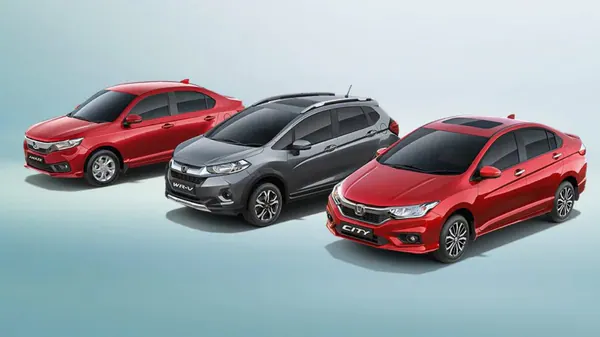
Honda Amaze CNG: Honda brings its reputation for refined engines and build quality to the CNG sedan segment. Priced from 9 lakh rupees, the Amaze CNG delivers 26-28 km/kg while offering superior build quality and comfortable ride. The spacious cabin with excellent rear legroom suits families and commercial applications. Honda’s reliable engines and good service network provide peace of mind. The premium positioning justifies slightly higher prices through better refinement and perceived quality.
Hyundai Aura CNG: The compact sedan from Hyundai offers stylish design, feature-rich interiors, and efficient CNG performance. Starting around 8.5 lakh rupees, it provides 28-30 km/kg efficiency with modern amenities including touchscreen infotainment and smartphone connectivity. The boot space management is better than many competitors despite CNG cylinder. Good safety features and Hyundai’s strong after-sales support make it an attractive proposition for those seeking sedan sophistication with CNG economy.
Best CNG SUVs and MPVs
Maruti Suzuki Ertiga CNG: The Ertiga CNG revolutionized family transportation by offering seven-seater practicality with CNG economy. Priced from 10.5 lakh rupees, it delivers 26-28 km/kg while accommodating large families or commercial passenger transport. The flexible seating configurations and practical interiors suit various usage scenarios. Despite CNG cylinder, reasonable boot space remains available with all seats up. It’s become the default choice for large families wanting CNG economy without sacrificing space.
Maruti Suzuki XL6 CNG: Positioned as premium alternative to Ertiga, the XL6 CNG offers six-seater comfort with captain seats in the middle row. Starting around 12 lakh rupees, it provides similar 26-28 km/kg efficiency while delivering more premium experience through better interiors and features. The SUV-inspired styling and higher seating position appeal to those wanting commanding road presence. It bridges the gap between practical MPV and aspirational SUV while retaining CNG economy.
Tata Punch CNG: India’s first factory-fitted CNG micro-SUV combines SUV appeal with economic running costs. Launched in 2024, it delivers 27-29 km/kg efficiency while offering high ground clearance and rugged styling. Starting around 7.5 lakh rupees, it suits buyers wanting SUV character without high running costs. The compact dimensions ease city driving while elevated seating and practical interiors add versatility. Good safety ratings strengthen its appeal.
Maruti Suzuki Brezza CNG: The compact SUV segment finally has strong CNG representation with Brezza CNG. Priced from 10.5 lakh rupees, it delivers 25-26 km/kg while offering proper SUV proportions and features. The spacious cabin, modern infotainment, and comprehensive safety features justify the positioning. Boot space remains adequate despite CNG cylinder. For those wanting SUV prestige with CNG economy for daily commutes, Brezza CNG hits the sweet spot.
Performance and Driving Experience
CNG vehicles typically produce 10-15% less power than their petrol counterparts due to the nature of gas combustion. This difference is noticeable during acceleration and overtaking maneuvers. However, modern CNG systems have minimized this gap through better tuning and engine optimization. For city driving at moderate speeds, the performance difference is barely perceptible. Highway driving requires more planning for overtaking, but isn’t significantly compromised.
The seamless fuel switching capability in modern CNG cars enhances practicality. When CNG depletes, the system automatically switches to petrol mode without driver intervention. Most cars start on petrol initially, then switch to CNG after engine warms up, optimizing performance and efficiency. The dual-fuel capability provides peace of mind – you’re never stranded without fuel options even if CNG isn’t available.
Driving dynamics remain largely unchanged in factory-fitted CNG variants. Manufacturers optimize suspension and weight distribution to account for CNG cylinder placement. Handling, braking, and ride quality match petrol variants closely. The additional weight from CNG cylinders (30-35 kg) doesn’t significantly impact dynamics. Modern lightweight composite cylinders further minimize weight penalty while enhancing safety through better crash resistance.
Running Costs and Maintenance Considerations
CNG vehicles shine in running cost comparisons. Beyond fuel savings, maintenance costs remain reasonable. CNG engines actually experience less wear on certain components because gas combustion leaves minimal residue compared to liquid fuels. Engine oil remains cleaner longer, potentially extending service intervals. However, specific CNG components like pressure regulators and gas filters require periodic maintenance.
CNG systems need annual inspections to ensure leak-free operation and proper pressure regulation. Most manufacturers include these checks in regular service schedules. The CNG cylinder itself has a 15-year certification life in India, after which it requires re-testing and certification or replacement. This long interval means cylinder replacement isn’t a frequent concern for most owners.
Insurance premiums for CNG vehicles are marginally higher (5-10%) than petrol variants due to additional equipment value and perceived higher risk. However, some insurers offer special CNG vehicle policies with competitive rates. Resale values for well-maintained factory-fitted CNG cars remain strong, especially in markets with established CNG infrastructure. The demand for economical used cars supports good resale values.
CNG Infrastructure and Refueling Convenience
CNG station availability has improved dramatically across India. Major cities have dense networks with stations every few kilometers. Tier-2 and Tier-3 cities are rapidly adding CNG infrastructure. Highway CNG stations, though still less common than petrol pumps, are appearing along major corridors. Apps like My Gas India, IOCL refueling, and others help locate nearby CNG stations with real-time availability information.
Refueling times for CNG are longer than petrol – typically 3-5 minutes to fill a standard 60-liter cylinder. During peak hours, queues at CNG stations can be longer, especially in cities with heavy commercial vehicle usage. Planning refueling stops becomes part of routine. Some stations now offer fast-fill technology reducing wait times. Overnight home CNG systems exist but aren’t widely available for personal vehicles in India yet.
CNG prices vary by city and company but remain significantly cheaper than liquid fuels. Prices are relatively stable with smaller fluctuations compared to volatile petrol prices. Government regulation ensures CNG pricing remains attractive to encourage adoption. As infrastructure expands and demand grows, prices are expected to remain competitive, maintaining CNG’s economic advantage over conventional fuels.
Making the Right Choice
Selecting the best CNG car depends on your specific usage pattern and requirements. High-mileage urban commuters benefit most from CNG economy – driving 2,000+ kilometers monthly makes the business case compelling. Families wanting seven-seater practicality with low running costs should consider Ertiga or XL6. Those seeking sedan comfort with economy can choose Dzire or Amaze.
Budget constraints obviously influence choice. Entry-level hatchbacks like Alto K10 and WagonR offer maximum affordability without sacrificing CNG benefits. Premium buyers can enjoy features and refinement in Grand i10 Nios or Aura while retaining economic operation. SUV enthusiasts can now access this segment through Brezza or Punch without compromising on running cost efficiency.
Access to CNG infrastructure in your area is crucial. Research station availability along your regular routes and confirm expansion plans for your region. If CNG stations are sparse, the dual-fuel capability provides fallback, but frequent petrol usage defeats the economy purpose. Consider your typical driving patterns – highway-heavy usage might benefit less from CNG compared to city-centric driving.
Conclusion
CNG cars in 2025 offer mature, reliable, and economical transportation for Indian buyers. The combination of dramatically lower running costs, environmental benefits, and improving infrastructure makes CNG vehicles increasingly attractive. Factory-fitted systems from established manufacturers provide confidence through warranty coverage, safety testing, and optimized performance.
The range of CNG vehicles spanning hatchbacks to SUVs ensures choices for every need and budget. Whether you’re a budget-conscious first-time buyer, high-mileage commercial user, or large family seeking economical transportation, suitable CNG options exist. The technology has matured to where CNG ownership involves minimal compromise in comfort, features, or convenience.
As India continues prioritizing clean energy and sustainable transportation, CNG vehicles will play an important role. Current owners enjoy immediate economic benefits through fuel savings while contributing to cleaner urban air quality. If your driving patterns align with CNG’s strengths and infrastructure access is good, these vehicles offer excellent value and practical daily transportation.
FAQs
What is the average mileage of CNG cars in India?
CNG cars in India deliver between 25-34 kilometers per kilogram depending on the model and driving conditions. Smaller hatchbacks like Alto K10 and WagonR achieve 32-34 km/kg, while sedans deliver 26-30 km/kg. Larger vehicles like Ertiga and Brezza provide 25-27 km/kg. City driving with traffic yields lower efficiency than highway cruising. Maintaining proper tire pressure, regular servicing, and smooth driving techniques help maximize CNG mileage.
Is it safe to use CNG cars? Are there explosion risks?
Factory-fitted CNG systems are extremely safe when properly maintained. CNG cylinders undergo rigorous testing and are built to withstand pressures far exceeding operational levels. Modern cylinders are designed to safely vent gas in case of fire rather than explode. The gas is lighter than air and disperses quickly unlike liquid fuels that pool. Regular inspections ensure leak-free operation. Millions of CNG vehicles operate safely worldwide, with factory systems having excellent safety records.
Does CNG damage the engine in the long run?
Modern factory-fitted CNG systems don’t damage engines when properly maintained. In fact, CNG’s clean-burning nature produces less carbon deposits compared to petrol, potentially extending engine life. However, CNG burns hotter, so maintaining proper cooling system health is crucial. Regular oil changes, proper servicing, and using manufacturer-recommended parts ensure longevity. Many CNG vehicles routinely exceed 300,000-400,000 kilometers with proper care. Aftermarket conversions pose higher risks if improperly installed or tuned.
Can I drive CNG cars on highways? How is the performance?
CNG cars are suitable for highway driving though performance is slightly lower than petrol variants. Acceleration and overtaking require more planning due to 10-15% power reduction. Cruising at highway speeds poses no issues. The dual-fuel capability ensures you can switch to petrol for better performance when needed. For moderate highway usage combined with city driving, CNG cars work well. Heavy highway users might find petrol or diesel more suitable depending on driving style.
What is the cost difference between CNG and petrol variants?
CNG variants typically cost 80,000-150,000 rupees more than equivalent petrol models. Hatchbacks have smaller premiums (80,000-100,000), while sedans and SUVs command 100,000-150,000 rupee premiums. This additional cost gets recovered through fuel savings based on usage. Someone driving 2,000 km monthly recovers the premium in 18-24 months. Lower mileage users take longer to break even. Consider your driving patterns when evaluating the investment in CNG variants.
How long do CNG cylinders last and what is replacement cost?
CNG cylinders have 15-year certification life in India. After 15 years, cylinders must be tested and recertified or replaced. Replacement costs vary by cylinder type and size, typically ranging from 15,000-25,000 rupees for standard cylinders. Modern composite cylinders are lighter and safer but more expensive. Most owners never face cylinder replacement during ownership as vehicles are usually sold before 15 years. Regular inspections during services ensure cylinder integrity throughout its life.
Is CNG car worth buying if I drive only 1,000 km per month?
For 1,000 km monthly driving, CNG’s economic advantage is less compelling. At this mileage, annual fuel savings might be 30,000-40,000 rupees, taking 3-4 years to recover the premium paid for CNG variants. If you plan long-term ownership (5+ years) and value environmental benefits, CNG still makes sense. However, purely from economic perspective, petrol variants might offer better value for low-mileage users. Consider fuel availability, convenience factors, and resale value in your area when deciding.
Tags: CNG Cars India, Best CNG Vehicles 2025, CNG Car Mileage, Fuel Efficient Cars, CNG vs Petrol, Budget CNG Cars, Factory Fitted CNG, CNG Hatchback, CNG Sedan, CNG SUV.