Tata Motors is set to launch the Tata Aeris on September 25, 2026, introducing a heavily updated compact sedan that effectively replaces the Tigor in Tata’s lineup. The Aeris brings revised exterior styling, an updated cabin and expected equipment upgrades, while petrol, CNG and an electric version are expected to form part of the new model family.
The final launch price and complete variant-wise specification list were still awaiting official confirmation in the latest available reports.
What Happened
Tata Motors has confirmed September 25 as the debut date for the Aeris. The new sedan is essentially a reworked and renamed version of the Tigor, rather than an entirely new model developed from the ground up. Tata has previewed the car through teasers, while production-specification vehicles have also been spotted at dealerships ahead of the launch.
The Aeris will continue to operate in India’s sub-4-metre sedan segment, where it is expected to compete with the Maruti Suzuki Dzire, Hyundai Aura and Honda Amaze.
What the Tata Aeris Looks Like
The Aeris receives a significantly revised exterior compared with the outgoing Tigor.
The latest images and teasers point to:
Slimmer LED headlamps
A revised DRL signature
LED fog lamps
A redesigned front fascia
New alloy-wheel designs
Revised tail lamps
A redesigned rear bumper
A full-width lighting element at the rear on production-spec cars
A new exterior colour option
The design changes go beyond a simple bumper-and-light update. Tata appears to have made sheet-metal changes as part of the Aeris redesign, giving the sedan a substantially fresher appearance while retaining the basic compact-sedan proportions of the Tigor.
Tata Aeris Interior and Features
The cabin is expected to receive one of the more significant updates over the Tigor.
Recent images show a Tiago-inspired dashboard layout, a digital instrument cluster and a large touchscreen infotainment display. Reports also indicate features such as wireless smartphone connectivity and wireless charging could be offered.
Expected equipment reported ahead of launch includes:
Digital instrument cluster
Large touchscreen infotainment system
Wireless Android Auto and Apple CarPlay
Wireless charging
Automatic climate control
Rear AC vents
Type-C charging ports
Push-button start
Keyless entry
Auto-folding ORVMs
Cruise control
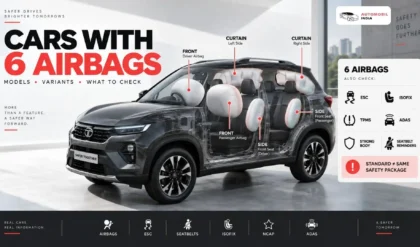
Six airbags
ABS with EBD
ISOFIX child-seat mounts
Feature availability can vary by variant, and Tata’s final equipment sheet should be used to confirm which features are standard and which are restricted to higher trims.
Tata Aeris Engines and Transmissions
The petrol Aeris is expected to retain the 1.2-litre three-cylinder petrol engine used by the Tigor/Tiago family.
Current reporting points to:
Item
Tata Aeris
Petrol engine
Expected 1.2-litre petrol
Cylinders
3
Manual
Expected 5-speed manual
Automatic
Expected 5-speed AMT
CNG
Expected factory-fitted CNG
EV
Separate Aeris EV expected
The petrol and CNG versions are expected to carry forward the existing powertrain family, although the final output, efficiency figures and variant-wise transmission availability should be confirmed from Tata’s launch documentation.
What About the Tata Aeris EV?
Tata is also expected to introduce an Aeris EV, effectively replacing the role previously occupied by the Tigor EV.
Reports indicate that the Aeris EV could use battery packs related to those available in the Tiago EV, with 19.2kWh and 24kWh battery options being reported ahead of launch. A permanent-magnet synchronous motor, multiple regenerative-braking modes and fast charging are also expected.
These specifications remain expected rather than officially confirmed until Tata releases the final Aeris EV specification sheet.
Tata Aeris Price and Variants
Tata Motors had not officially disclosed the complete Aeris price and variant structure in the latest information available before the launch announcement.
Some automotive sources had estimated the petrol Aeris at around the ₹6 lakh-plus range, but these are estimates and should not be treated as the official ex-showroom price.
Similarly, variant information available before launch should be treated cautiously because the final Tata price list can change the number of trims, equipment distribution and powertrain combinations.
The Aeris is more than a name change, but it also does not represent an entirely new sedan architecture.
The biggest changes are concentrated around styling, cabin design and equipment. The familiar 1.2-litre petrol powertrain is expected to continue, while the CNG option should retain its relevance for buyers prioritising running costs.
For an existing Tigor owner, the Aeris is therefore best viewed as a comprehensive facelift and repositioning rather than a completely new generation.
Tata Aeris vs Dzire, Aura and Amaze
The Aeris will enter a compact-sedan segment dominated by practical considerations such as price, rear-seat comfort, boot space, fuel efficiency, automatic transmission availability and after-sales support.
Its key rivals are expected to be:
Maruti Suzuki Dzire — established compact-sedan competitor with petrol and CNG options.
Hyundai Aura — compact sedan with petrol and CNG powertrains.
Honda Amaze — larger-feeling compact sedan with a focus on cabin and boot practicality.
The Aeris’ final pricing and variant equipment will be particularly important. A strong feature list alone will not determine its positioning; buyers will also need to consider the equipment available at each price point.
What This Means for Indian Buyers
For buyers considering a compact sedan, the Aeris could be significant because Tata is refreshing an established model without abandoning the basic formula that made the Tigor practical for urban use.
The CNG version could appeal to high-mileage city users, while the expected AMT option could make the petrol version easier to drive in congested traffic.
The Aeris EV, if launched with the reported battery options and equipment, would give Tata another compact electric sedan option. However, buyers should wait for the official range, charging specifications and pricing before comparing it directly with other EVs.
Planning Your Next Car Purchase?
Talk to our team about financing options while you wait for the Tata Aeris to launch.
Tata Motors has scheduled the Aeris launch for September 25, 2026.
Is Tata Aeris replacing the Tata Tigor?
Yes. The Aeris is being introduced as a heavily updated and renamed successor to the Tigor in Tata’s compact-sedan lineup.
What engine will the Tata Aeris get?
The petrol version is expected to continue with a 1.2-litre three-cylinder petrol engine, with manual and AMT transmissions expected to remain available.
Will Tata Aeris get CNG?
A factory-fitted CNG version is expected. A production-spec Aeris iCNG has already been spotted ahead of launch.
Will Tata Aeris get an EV version?
Yes, an Aeris EV is expected as part of the new model family. Reports suggest it could use battery options related to those available in the Tiago EV, but final specifications need official confirmation.
What will be the Tata Aeris price?
The official launch price should be confirmed by Tata Motors. Pre-launch estimates have placed the petrol model around the ₹6 lakh-plus range, but these are not official prices.
Which cars will Tata Aeris compete with?
The Aeris will compete in the compact-sedan segment against models such as the Maruti Suzuki Dzire, Hyundai Aura and Honda Amaze.
Will Tata Aeris get six airbags?
Six airbags have been reported among the expected safety equipment, but buyers should check Tata’s final variant-wise equipment list before assuming that every version carries identical safety equipment.
Disclaimer: This article is based on information available from the cited sources at the time of publication. Prices, variants, specifications, equipment, launch timelines and availability can change. Details identified as expected or reported should not be treated as officially confirmed until Tata Motors publishes the final specifications. Manufacturer-claimed figures, where applicable, should not be treated as independent road-test results.
Ashish Ahire is an automobile content writer with an interest in the automotive industry, new vehicle launches, automotive technology, and the latest developments in the mobility sector. Through his articles, he aims to present automobile news and updates in a clear, informative, and reader-friendly manner.