
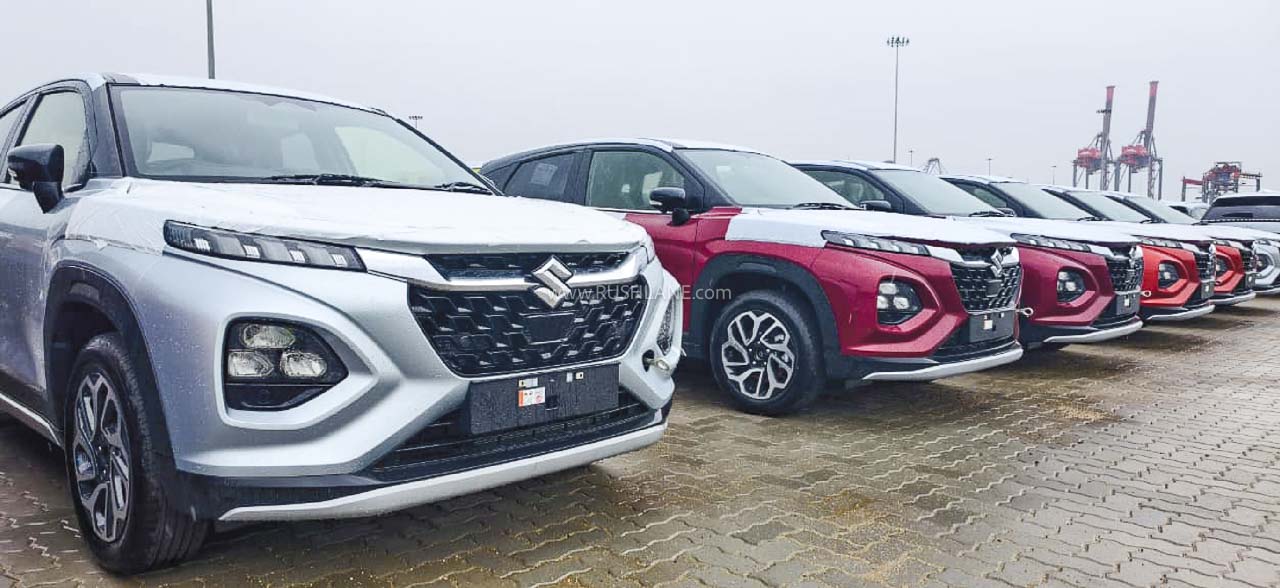
Car shipments from India totalled 68,230 units in August 2026, marking a 17.04% decrease from the 82,246 units dispatched during August 2025. This downturn equals a reduction of 14,016 units. Conversely, the 30 specific models featured in the accompanying rankings collectively achieved 65,270 units, staying virtually level with the 65,323 units recorded a year prior, showing a minor decrease of 0.08%.
Meanwhile, local passenger vehicle sales moved in the opposite direction, rising 33.16% to reach 3,74,056 units compared to 2,80,900 units. Combined figures for domestic transactions and foreign shipments reached 4,42,286 units, representing a 21.79% growth over 3,63,146 units. Foreign shipments represented 15.43% of this aggregate volume, whereas local sales constituted 84.57%.
Top Exporting Models In August 2026
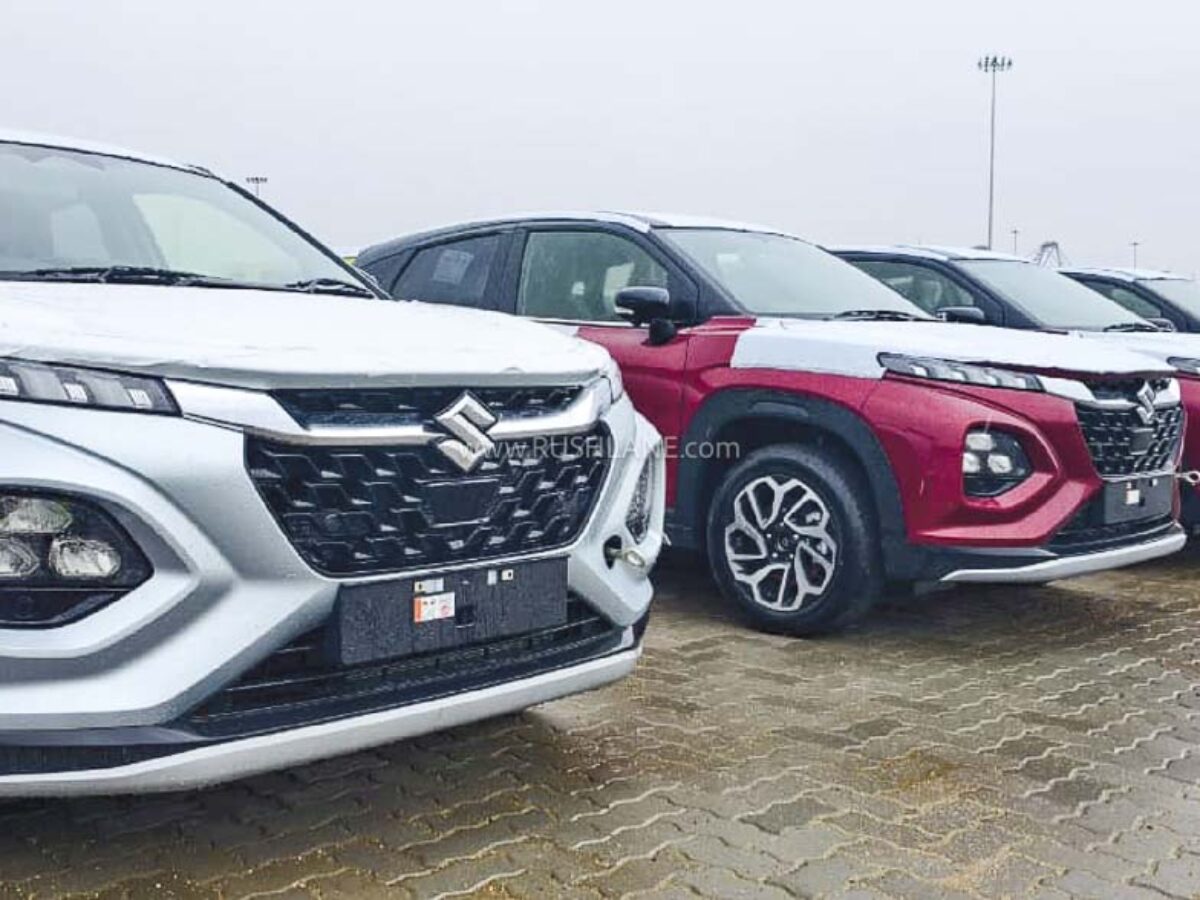
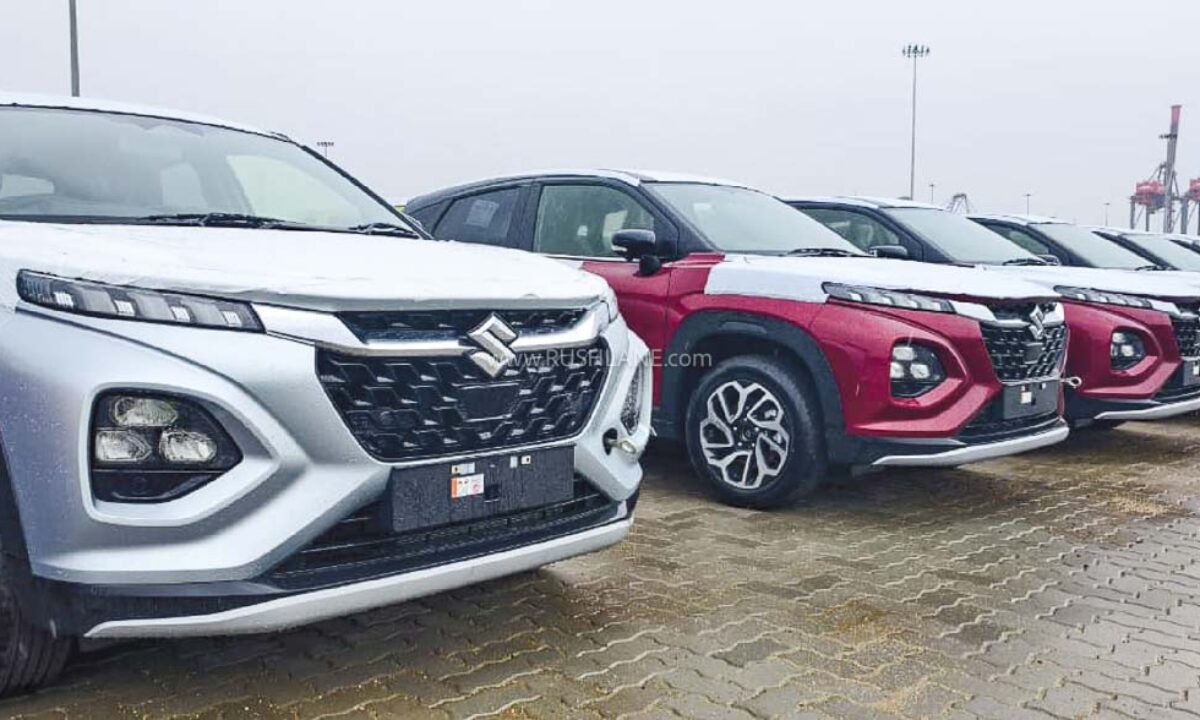
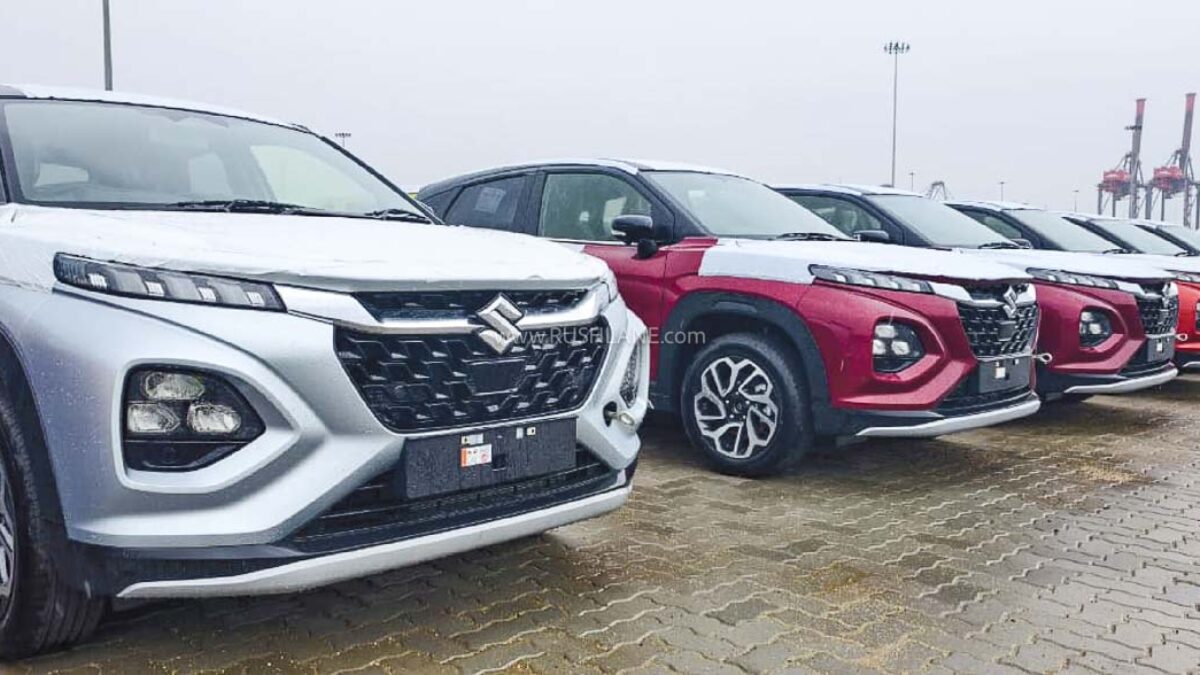
Maruti Fronx secured the top spot with 9,003 units, expanding by 38.17% over the 6,516 units sent abroad in August 2025. Jimny took second place with 8,435 units, registering a massive 217.46% surge from 2,657 units. Its volume addition of 5,778 units represented the largest quantity increase among all evaluated models. Together, Fronx and Jimny made up 17,438 units, accounting for roughly 25.56% of total Indian car shipments during the month.
Hyundai Grand i10 Nios claimed third place with 4,551 units, up 16.22% from 3,916 units. Nissan Magnite followed closely at 4,500 units, although foreign dispatches dropped 36.31% from 7,065 units. Toyota Hyryder wrapped up the top five with 4,414 units, falling 10.10% from 4,910 units.
Maruti Swift placed sixth with 3,044 units, shrinking 56.45% from 6,990 units. It logged the steepest absolute drop among these 30 vehicles, shedding 3,946 units. Maruti e Vitara followed at 2,770 units, down 6.23%. Volkswagen Virtus shipments dropped 46.73% to 2,599 units, while Dzire went down 43.35% to 2,355 units. Celerio completed the top ten group with 2,244 units, down 25.37%.
Growth Highlights Across Select Nameplates
Hyundai Aura held the 11th position with 2,158 units, down 28.54%. Maruti Ertiga came next with 1,755 units, compared to merely 75 units a year previously. Its 2,240% rise occurred on a small base, with volumes climbing by 1,680 units. Mahindra XUV3XO shipments rose 49.47% to 1,695 units, while Honda Elevate increased 21.86% to 1,661 units. Hyundai Venue also posted strong gains, climbing 83.48% to 1,510 units.
- Maruti Fronx: 9,003 units (Up 38.17%)
- Jimny: 8,435 units (Up 217.46%)
- Hyundai Grand i10 Nios: 4,551 units (Up 16.22%)
- Nissan Magnite: 4,500 units (Down 36.31%)
- Toyota Hyryder: 4,414 units (Down 10.10%)
Victoris and Tekton contributed 1,341 units and 1,334 units respectively, against zero volume in the matching month of the prior year. Kia Sonet posted 1,265 units, increasing 13.66%, whereas Hyundai Alcazar dropped 13.29% to 998 units. Kia Carens rounded out the top twenty with 941 units, expanding 12.16%.
Declining Volumes And Low-Base Surges
Maruti Alto and Renault Triber each logged 928 units. Alto climbed 43.65%, whereas Triber jumped 553.52% from a small base of 142 units. Baleno shipments plummeted 79.47% to 711 units from 3,464 units, registering the sharpest percentage fall among the listed vehicles. Hyundai i20 expanded 42% to 683 units, whereas Maruti Eeco dropped 40.41% to 637 units.
Hyundai Creta logged 629 units, up 51.57%, followed by Citroen C3 at 613 units, a 2.68% rise. Renault Kiger jumped from 23 units to 607 units, registering the highest percentage growth on the chart at 2,539.13%, driven by a small base. Kia Seltos dispatches stayed nearly flat at 499 units, down 1.38%. Honda City placed 30th with 462 units, falling 67.26% from 1,411 units.
The top 30 ranked models represented 95.66% of total vehicle exports in August 2026. Their generally stable combined volume stands in contrast to the broader 17.04% downturn, pointing out that most of the volume loss originated from nameplates outside this compilation.
Market observers note that while domestic demand remains exceptionally buoyant, international headwinds and shifting product life cycles continue to create distinct patterns across various export-focused brands. Buyers looking at popular export models may experience varied waiting periods depending on whether production lines prioritize local allotments or overseas commitments.