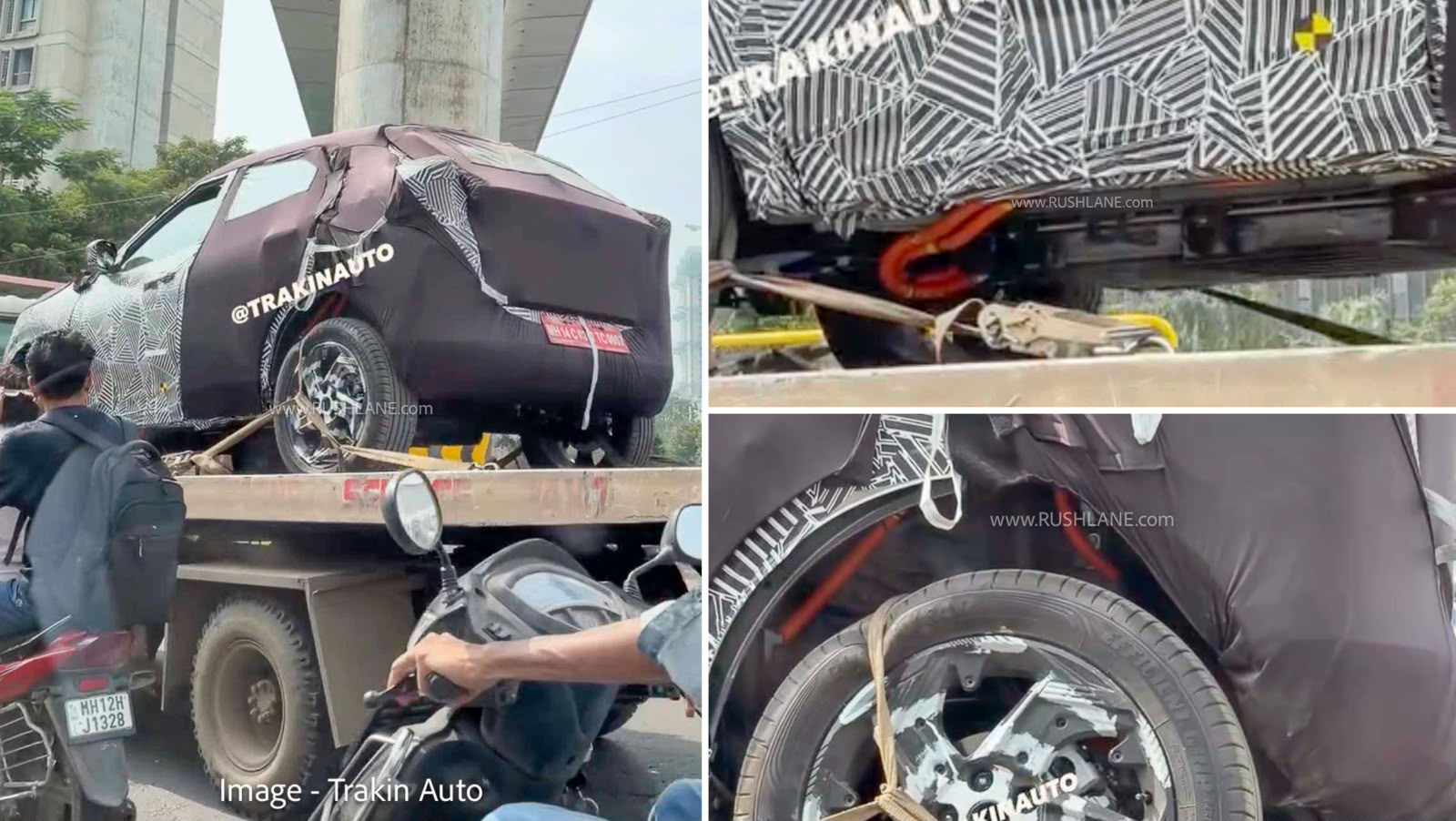
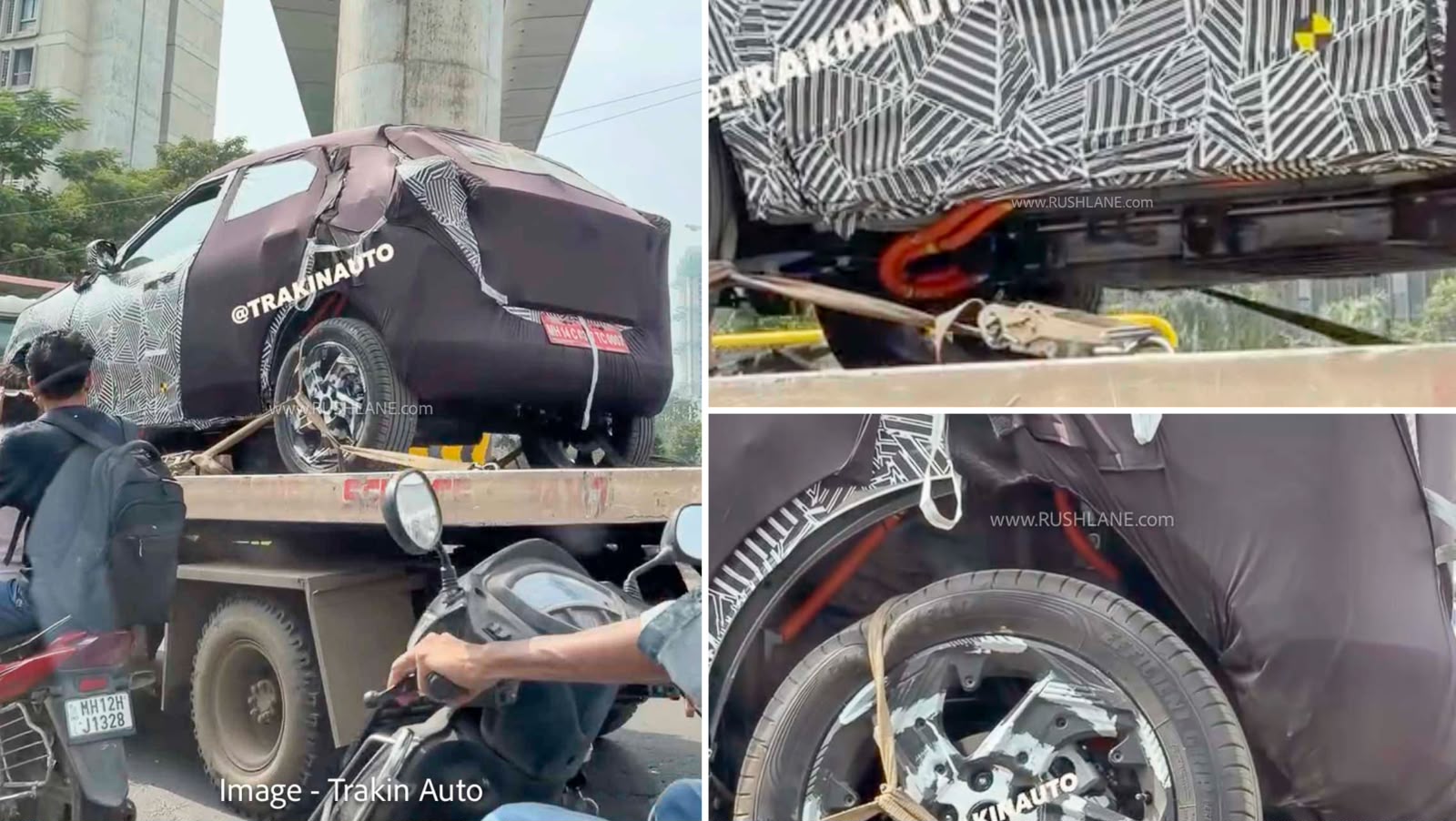
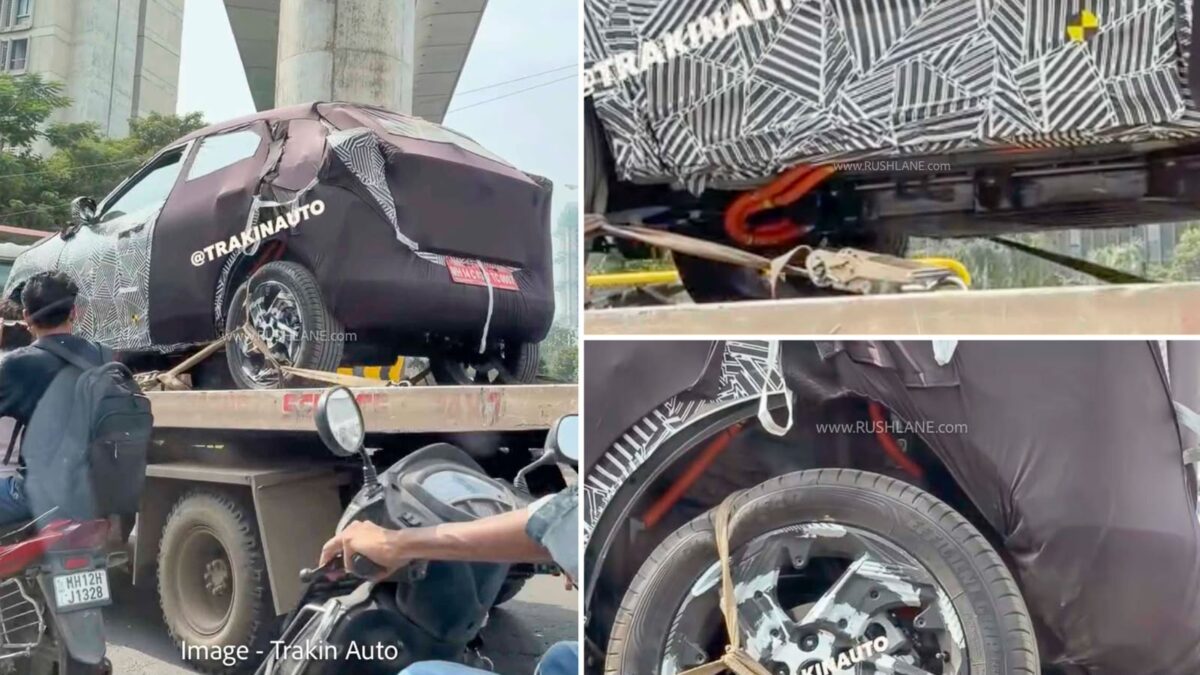
The upcoming iteration of the Tata Motors electric sport utility vehicle has been seen undergoing evaluation on a flatbed carrier. Previous testing prototypes belonged to the internal combustion engine variant, but these fresh photographs capture a heavily disguised electric model being moved. The elevated view of the transporter truck reveals the vehicle's underside, where a battery enclosure and orange high-voltage cables distinctly confirm its electric powertrain nature.
Underbody Battery and Exterior Design
The primary reveal from this sighting is the battery housing positioned beneath the cabin floor. Orange electrical wiring is also discernible near the front section of the protective casing, situated right behind the front wheel. The fresh architecture allows Tata Motors to enhance packaging alongside potential upgrades to energy storage capacity, efficiency, output figures, and replenishment capabilities.

This upcoming model features a flatter roofline, an increased vertical angle for the tailgate, and a less sloping rear silhouette compared to the current iteration. On the captured vehicle, the front doors, exterior rearview mirrors, and prominent wheel arches remain visible beneath a patterned camouflage wrap. Traditional pull-type door handles are also apparent, while extra fabric panels obscure the rear passenger doors, top structure, and a large portion of the tailgate to conceal finer design details.
- Flatter roofline aimed at boosting cabin practicality
- More upright tailgate configuration
- Conventional pull-type door handles
- Five-spoke wheel design
The more vertical proportions may assist in enhancing rear-seat headroom and cargo capacity. Inside the battery-powered variant, the final interior arrangement and floor height will additionally rely on how the energy storage system is integrated. This specific test mule is equipped with five-spoke rims, differing from the Curvv-style alloy wheels noticed on a separate Nexon test vehicle in September.
Current Specifications and Future Timeline
Existing iterations of the vehicle retail between Rs 12.49 lakh and Rs 17.89 lakh, ex-showroom. The current lineup provides 30 kWh and 45 kWh energy storage choices. The compact battery configuration generates approximately 127 bhp with a certified driving range of 325 km, whereas the 45 kWh option pushes out roughly 143 bhp alongside a certified driving range of 489 km. Both variants accommodate fast replenishment.
| Variant | Price (Ex-Showroom) | Power | Certified Range |
|---|---|---|---|
| Current 30 kWh | Rs 12.49 lakh - Rs 17.89 lakh | 127 bhp | 325 km |
| Current 45 kWh | Rs 12.49 lakh - Rs 17.89 lakh | 143 bhp | 489 km |
Prior interior photographs of a combustion engine test mule displayed familiar components, such as the steering wheel, central media display, and air conditioning switches. The next-generation vehicle is anticipated to hit the market in 2027.
Market Context and Upcoming Launches
With the battery-driven iteration now spotted, development seems to be advancing simultaneously alongside the internal combustion variant. Prior to the arrival of the next-generation battery model, the manufacturer is projected to introduce the Safari EV and Aeris EV. Unverified reports indicate that the Safari EV rollout is scheduled for next month, while the Aeris EV will debut in early 2027.