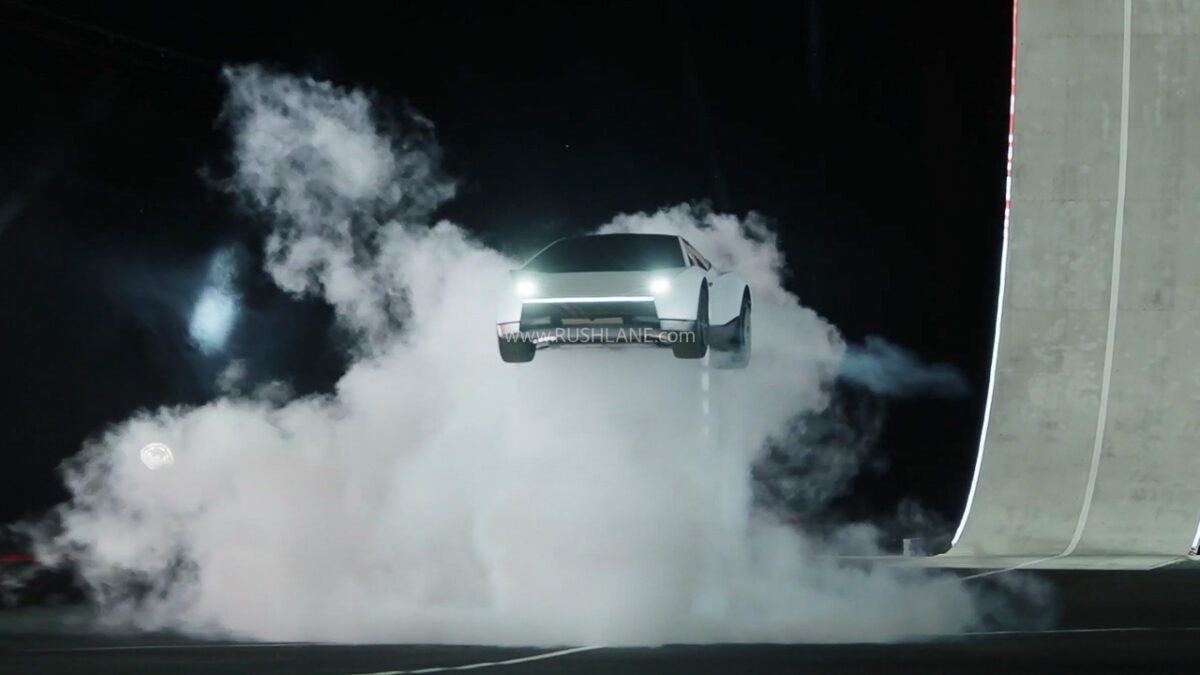
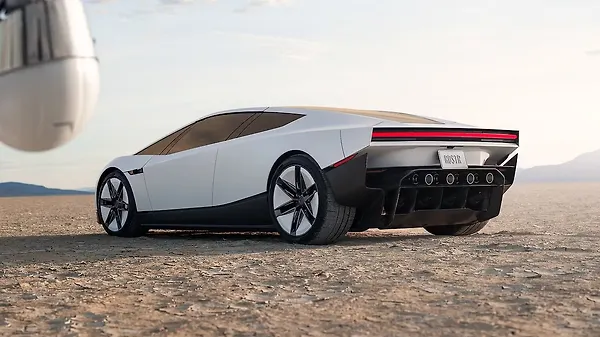
Tesla has officially revealed the heavily redesigned, second-generation Roadster electric supercar, bringing SpaceX-inspired technology to a road-going vehicle. Originally showcased as a concept in 2017, the vehicle experienced multiple delays before its major reveal on 15 October via a live webcast, which featured demonstrations of inverted driving, controlled airborne flips, and barrel rolls. Production for the new EV hypercar is targeted to begin in 2028, and reservations are currently open internationally as well as on Tesla's official India website for a booking amount of Rs 5.01 lakh, with final pricing yet to be announced.
Variants, Specs and Performance Figures
The new Tesla Roadster is offered in three distinct configurations: Performance, Thrust, and a single-seat Rocket variant. The entry-level, two-seat Performance version is intended for road use and combines active aerodynamics with a multi-mode suction system, claiming a 0-60 mph (0-96.6 km/h or 0-97 kmph depending on source) time of under 1.6 seconds. The two-seat Thrust version adds rear-mounted cold-gas thrusters, targeted for track use with a claimed 0-60 mph time under 0.9 seconds. At the top of the range sits the single-seat Rocket version, which is an invite-only model not approved for public road use, featuring perimeter-mounted cold-gas thrusters and a claimed 0-60 mph time under 0.59 seconds (or under a second according to certain claims).
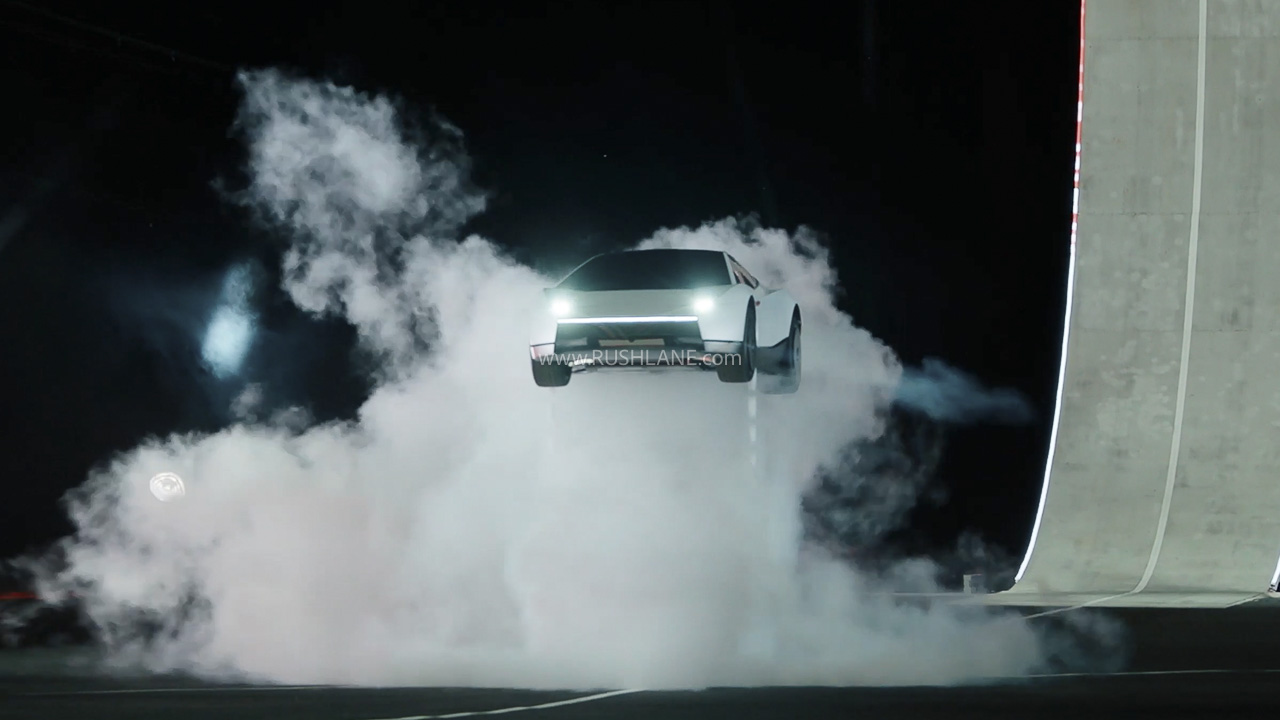
Tesla has also quoted a driving range exceeding 300 miles (483 km) and a top speed exceeding 230 mph (370 km/h) for the Rocket. While official figures cite acceleration to 96.6 km/h, the company also highlights 0-100 kmph capabilities within or under a second for the extreme variants.
| Variant | Seating | 0-60 mph / 0-96.6 km/h Acceleration | Notes |
|---|---|---|---|
| Performance | Two-seat | Under 1.6 sec | Road-use focused, active aero and suction system |
| Thrust | Two-seat | Under 0.9 sec | Track-focused, adds rear-mounted cold-gas thrusters |
| Rocket | Single-seat | Under 0.59 sec | Invite-only, not approved for public road use |
SpaceX Thrusters and Aerodynamics
The defining feature of the upper Roadster variants is the integration of SpaceX-inspired cold-gas thrusters. These systems release highly pressurised gas stored in carbon-fibre-overwrapped pressure vessels to generate force and control the vehicle's orientation in the air, enabling forward, upward, and rotational movements like barrel rolls. Tesla claims the thruster system can produce four to five times the force available through conventional tyre grip.
Additionally, the car utilises underbody suction fans designed to hold the vehicle against an inverted ramp, paired with active aerodynamic elements. The rear wing mechanism employs actuator technology derived from Tesla's Optimus programme to generate downforce approaching Formula 1 levels.
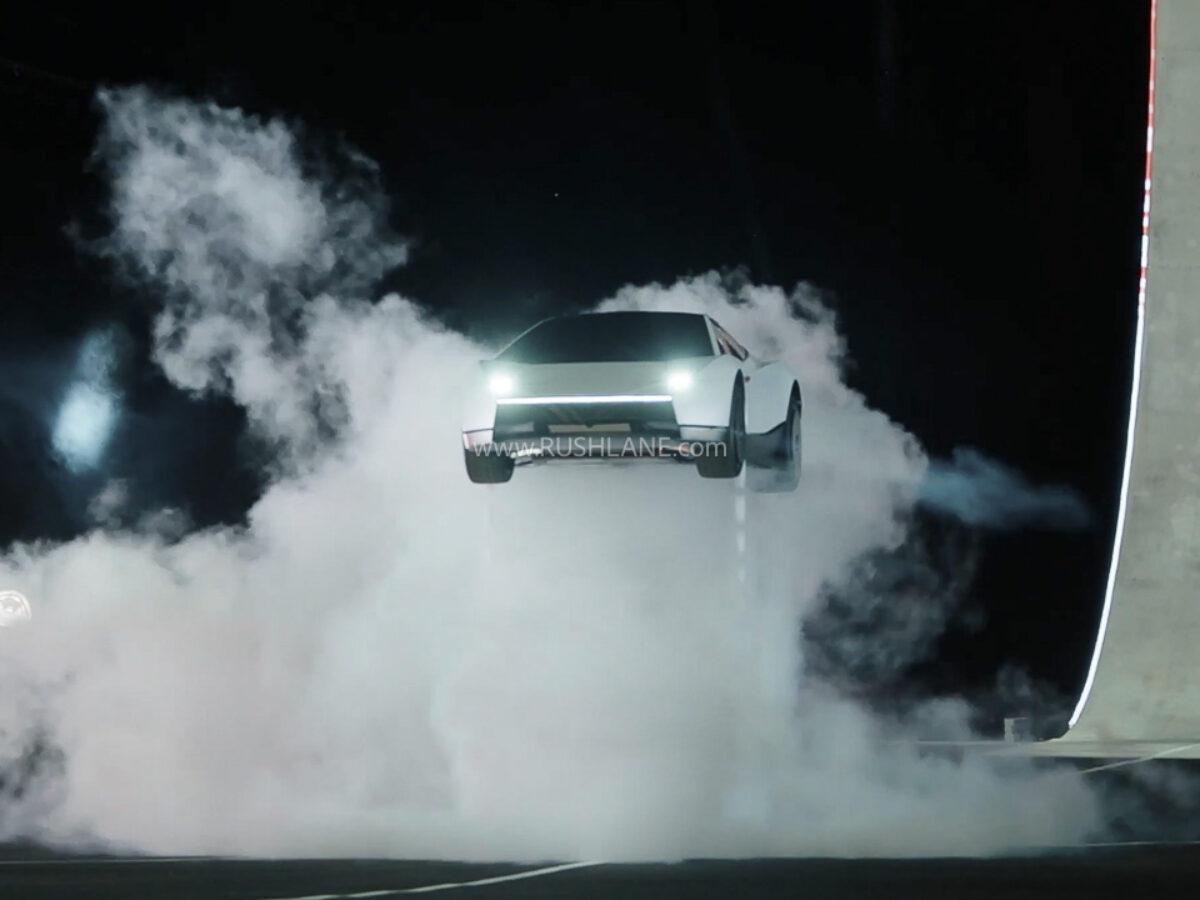
- Hidden headlights and a full-width rear light bar
- Ano White aerospace-inspired finish with gold-tinted glass and titanium accents
- Active aerodynamic elements and Track Mode wing deployment
- Magnesium, titanium, and carbon-fibre construction
- Yoke-style steering control and minimal central touchscreen layout
- Fixed seats and manual controls to reduce weight
Design and Cabin Layout
The exterior styling draws direct inspiration from high-performance military aircraft such as the SR-71 and F-35, showcasing angular bodywork, wedge-like proportions, flush-mounted aerodynamic surfaces, and upward-opening doors resembling a McLaren. Lightweight wheels with thin spokes complete the exterior presentation.
Inside, the cabin adopts an ultrawide minimalist aesthetic with grey microsuede detailing, supportive seat bolsters, and purpose-built sports seats designed to withstand extreme G-forces. By utilizing fixed seating positions and manual controls alongside lightweight materials, Tesla has minimized overall mass, although specific kerb weight, battery capacity, and powertrain output figures have not been released.
Market Outlook and Availability
With production slated to commence in 2028, final specifications, delivery timelines, and official on-road pricing remain unconfirmed across global markets, including India where reservation books are currently open. Industry analysts note that questions remain regarding regulatory approvals for public road use of the thruster systems and whether all demonstrated features will transition to the final production vehicles.