

Tata Motors Passenger Vehicles and Stellantis have entered into a definitive agreement to expand their existing partnership into advanced vehicle technology and architecture. Although the official joint announcement does not disclose specific vehicle models, a new report links this pact to the development of a Tata Sierra-based Jeep SUV carrying the internal codename J1J. This collaboration allows Tata to supply its vehicle architecture to another global manufacturer, while simultaneously providing Jeep with a new India-manufactured product intended for both domestic and international markets. The new agreement also encompasses Tata Passenger Electric Mobility, following an initial memorandum of understanding signed in February 2026.
Partnership Scope And Manufacturing Plans
Under the terms of the arrangement, Tata Motors Passenger Vehicles will grant Stellantis access to its proprietary product technology and vehicle foundations. Stellantis will utilize its own engineering and development resources in India to tailor these platforms for various customer preferences, regulatory frameworks, and operating environments. The resulting vehicles will be built locally at Fiat India Automobiles Private Limited, which operates as an existing 50:50 joint venture between Tata and Stellantis. The corporate announcement outlines a programme targeting requirements across more than 50 global markets, though specific export destinations and vehicle names were omitted from the statement.

Shailesh Chandra, Managing Director and CEO of TMPV, stated that the agreement broadens the partnership into advanced vehicle technology and architecture. Meanwhile, Stellantis Asia-Pacific COO Tianshu Xin emphasized the opportunity to engineer competitive vehicles within India and broaden export volumes. Production for the upcoming Jeep model is slated for the Ranjangaon joint venture plant, with factory operations anticipated to undergo adaptation over the upcoming 18 months, pointing to a potential launch in the first half of 2028, even though these timelines and product specifics were left out of the formal press release.
Architecture Details And Product Design
The initial offering emerging from this partnership is a midsize Jeep SUV engineered on the Tata Sierra’s ARGOS platform. ARGOS stands for All-Ready, Omni-Energy and Geometry Scalable, featuring a modular layout that accommodates varying vehicle dimensions and powertrain options, thereby enabling Stellantis to conceive additional models around the same foundation. Both internal combustion engine and electric versions are planned for the J1J codename project, likely borrowing powertrains from the Sierra lineup. Tata will maintain ownership of the underlying architecture and license it to Stellantis, with shared components leveraging the Sierra supplier network while Jeep-specific elements undergo separate sourcing and tooling.
Sharing the underlying architecture does not entail a simple badge-engineering exercise, as the J1J will feature a unique body style, exterior styling, and cabin layout, alongside alterations to seating arrangements, features, and equipment. The core platform will remain intact with necessary modifications applied to suit the Jeep body shape and international requirements, and a 4×4 variant is also under consideration. A Pune-based engineering team is handling the development programme, which includes left-hand-drive adaptation, with Tata Technologies reportedly participating in the execution phase. This follows separate reports regarding Tata Tech working on a new car platform for Honda Cars.
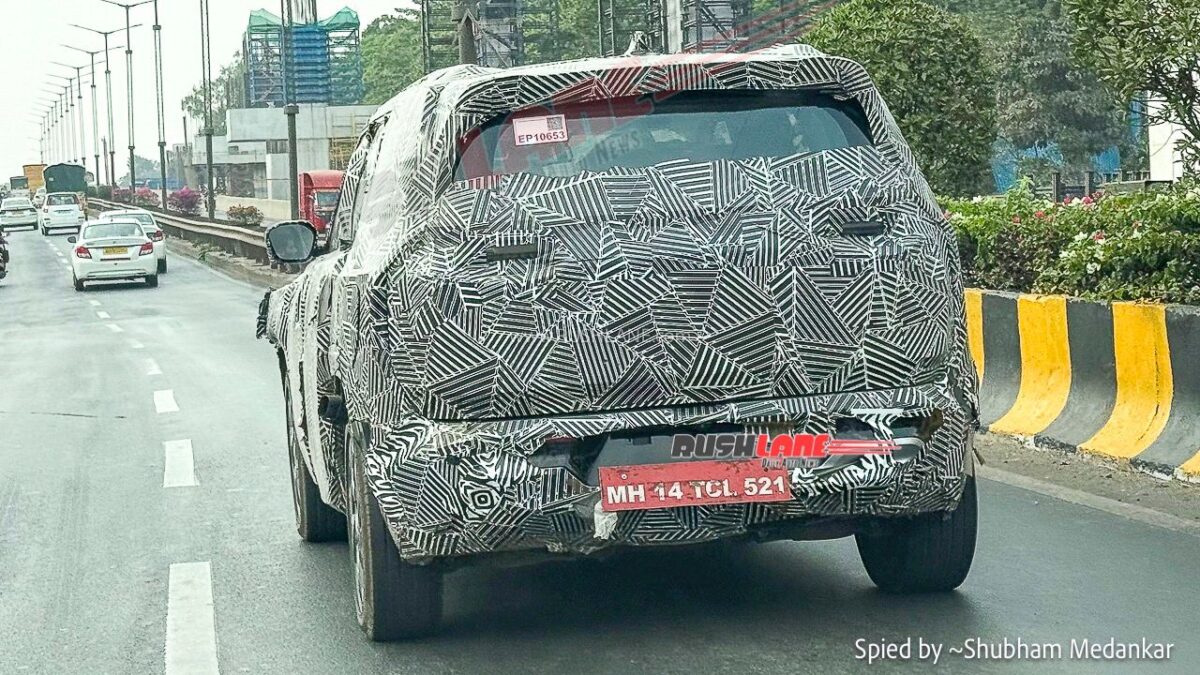
- Internal codename: J1J
- Architecture: ARGOS (All-Terrain Ready, Omni-Energy and Geometry Scalable)
- Powertrains: Internal combustion engine and electric versions planned
- Manufacturing location: Ranjangaon joint venture facility (Fiat India Automobiles Private Limited)
- Target market reach: Programme addresses requirements across more than 50 global markets
Market Outlook And Sales Context
The proposed SUV arrives as Jeep faces volume challenges in the domestic market, highlighted by September 2026 sales dropping to 252 units—a 16% decline from 300 units during the same period a year earlier. This drop reduced Jeep's market share to 0.06%, placing it last among 14 listed manufacturers despite the broader car market growing by 20.91%. Deploying Tata’s architecture alongside a local supplier ecosystem could assist Jeep in enhancing cost competitiveness and drawing in a wider consumer base. Incorporating both ICE and EV variants will expand its portfolio, while export operations could drive higher production volumes.
Because the market debut is targeted for the first half of 2028, this initiative serves as a longer-term strategy for the brand. Effective pricing strategies, precise product execution, and robust after-sales support will remain critical factors in determining whether the collaboration generates sustained commercial growth.